
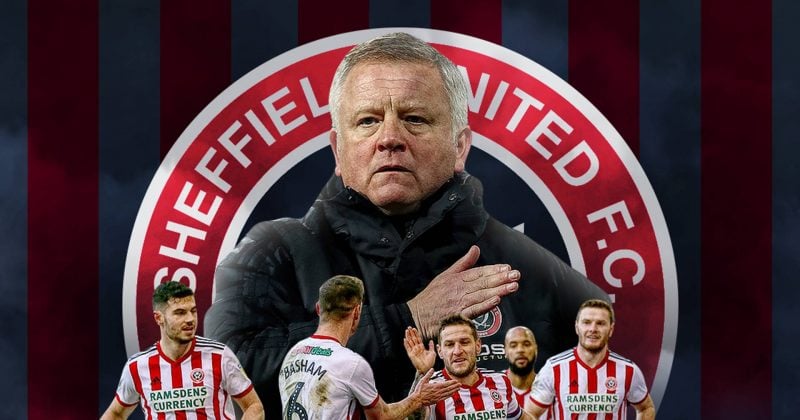
EFL investigates COH Sports over Sheffield United payment claims as ownership dispute deepens

EFL investigates COH Sports over Sheffield United payment claims as ownership dispute deepens

The English Football League is probing alleged share transfers by Sheffield United's American owners while former owner Prince Abdullah claims he's still owed £35 million.

The English Football League has opened a formal investigation into COH Sports, the American investment group that acquired Sheffield United FC in December 2024, over allegations that shares in the club’s holding company were quietly transferred to a new entity. The probe, launched on July 8, 2026, centers on whether COH Sports moved shares to a company called 1919 Partners LLC, a maneuver that, if confirmed, raises serious questions about regulatory compliance and financial obligations in English football.

At the heart of the dispute is roughly £35 million that Prince Abdullah bin Musaed Al Saud, the club’s former owner, claims he’s still owed from the takeover. His investment entity, United World, has escalated things to the High Court with a winding-up petition against COH Sports Bidco Limited.

A takeover that started messy and got messier

The COH Sports acquisition of Sheffield United was completed for approximately £100-105 million in late 2024, with an initial payment of around £30 million. The rest was supposed to follow on a structured payment schedule. It didn’t.

Advertisement

Payments due during the 2025-2026 period have reportedly been late or missed entirely. According to the claims from United World, some payments were only made under the threat of legal action.

The alleged transfer of shares to 1919 Partners LLC is what apparently triggered the EFL’s direct involvement. Moving ownership shares to a different corporate entity without proper authorization would represent a potential breach of EFL regulations, which require clubs and their owners to maintain transparency about corporate structures and financial arrangements.

Prince Abdullah’s winding-up petition against COH Sports Bidco Ltd includes the outstanding principal plus interest, pushing the total claim above the £35 million mark.

Why this matters beyond the pitch

The newly formed Independent Football Regulator is establishing itself as the oversight body meant to prevent exactly these kinds of situations, where club ownership becomes entangled in opaque financial structures and unpaid obligations.

The EFL investigation will need to determine whether the share transfer to 1919 Partners LLC actually occurred, whether it was authorized under the league’s ownership rules, and whether it was designed to circumvent payment obligations to Prince Abdullah. EFL regulations require that any change in ownership or control of a club receives prior approval from the league. Transferring shares to a new entity without that approval could constitute a serious breach, potentially resulting in sanctions ranging from fines to points deductions.

Disclosure: This article was edited by Editorial Team. For more information on how we create and review content, see our Editorial Policy.

EFL investigates COH Sports over Sheffield United payment claims as ownership dispute deepens

EFL investigates COH Sports over Sheffield United payment claims as ownership dispute deepens

The English Football League is probing alleged share transfers by Sheffield United's American owners while former owner Prince Abdullah claims he's still owed £35 million.

The English Football League has opened a formal investigation into COH Sports, the American investment group that acquired Sheffield United FC in December 2024, over allegations that shares in the club’s holding company were quietly transferred to a new entity. The probe, launched on July 8, 2026, centers on whether COH Sports moved shares to a company called 1919 Partners LLC, a maneuver that, if confirmed, raises serious questions about regulatory compliance and financial obligations in English football.

At the heart of the dispute is roughly £35 million that Prince Abdullah bin Musaed Al Saud, the club’s former owner, claims he’s still owed from the takeover. His investment entity, United World, has escalated things to the High Court with a winding-up petition against COH Sports Bidco Limited.

A takeover that started messy and got messier

The COH Sports acquisition of Sheffield United was completed for approximately £100-105 million in late 2024, with an initial payment of around £30 million. The rest was supposed to follow on a structured payment schedule. It didn’t.

Advertisement

Payments due during the 2025-2026 period have reportedly been late or missed entirely. According to the claims from United World, some payments were only made under the threat of legal action.

The alleged transfer of shares to 1919 Partners LLC is what apparently triggered the EFL’s direct involvement. Moving ownership shares to a different corporate entity without proper authorization would represent a potential breach of EFL regulations, which require clubs and their owners to maintain transparency about corporate structures and financial arrangements.

Prince Abdullah’s winding-up petition against COH Sports Bidco Ltd includes the outstanding principal plus interest, pushing the total claim above the £35 million mark.

Why this matters beyond the pitch

The newly formed Independent Football Regulator is establishing itself as the oversight body meant to prevent exactly these kinds of situations, where club ownership becomes entangled in opaque financial structures and unpaid obligations.

The EFL investigation will need to determine whether the share transfer to 1919 Partners LLC actually occurred, whether it was authorized under the league’s ownership rules, and whether it was designed to circumvent payment obligations to Prince Abdullah. EFL regulations require that any change in ownership or control of a club receives prior approval from the league. Transferring shares to a new entity without that approval could constitute a serious breach, potentially resulting in sanctions ranging from fines to points deductions.

Disclosure: This article was edited by Editorial Team. For more information on how we create and review content, see our Editorial Policy.