
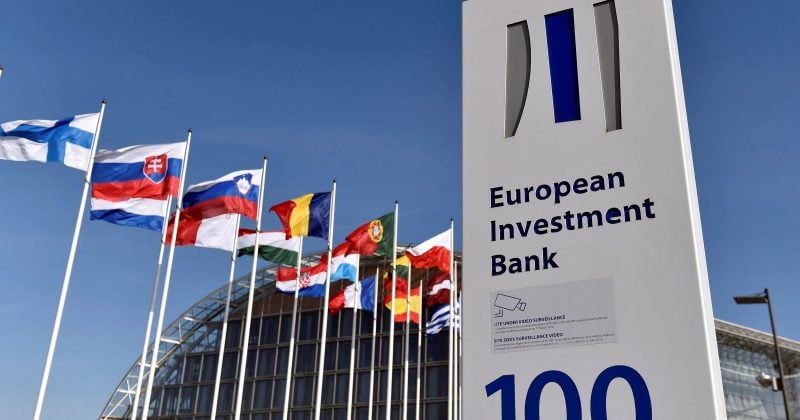
European Investment Bank launches €80B investment alliance for tech startups
The EIB's revamped European Tech Champions Initiative aims to close Europe's late-stage funding gap with the US, but crypto and blockchain are notably absent from the menu.
Europe has long had a startup problem. Not the “coming up with ideas” part, which it does just fine. The problem is what happens after. European tech companies build momentum, hit late-stage growth, and then watch their most promising founders take meetings in San Francisco because that’s where the serious scale-up money lives.
The European Investment Bank wants to change that math. On March 25, the EIB Group unveiled a major expansion of its European Tech Champions Initiative, a fund-of-funds vehicle managed by the European Investment Fund. The goal: attract €15 billion in pledges that could mobilize up to €80 billion in total investment for late-stage European tech companies.
ETCI 2.0: bigger, broader, and pointedly traditional
This isn’t the EIB’s first attempt at playing tech matchmaker. The original ETCI launched in 2023 and raised €3.9 billion. That first iteration backed 14 mega-funds, which in turn helped nurture 11 European unicorns across sectors including artificial intelligence, biotech, cleantech, and defense.
The EIB and EIF have already committed €1.25 billion to ETCI 2.0 as of December 2025, serving as anchor capital meant to attract private institutional investors alongside public commitments from EU member states.
The revamped initiative sits within a broader framework called TechEU, a platform with financing ambitions exceeding €70 billion aimed at supporting tech firms across their entire lifecycle, from early concept through to public listing.
The news moving money, markets, and the world—before your day starts.
Daily. Free. Join 34,000+ readers across crypto, finance, and policy.
What’s in, what’s out, and why crypto should notice
The sectors getting attention here are telling. AI, biotech, cleantech, defense, fintech, and deep tech all featured in the original ETCI portfolio and are expected to remain central to 2.0.
What’s conspicuously absent: anything related to crypto, blockchain, or digital assets.
The EIB isn’t a stranger to blockchain. Back in 2021, the bank issued a digital bond on the Ethereum network, making it one of the first major supranational institutions to experiment with blockchain-based debt issuance. The EIB’s marquee funding initiative doesn’t mention crypto, tokens, or blockchain in any capacity.
What this means for investors
For crypto-native investors and blockchain startups, the EIB’s focus on AI, cleantech, and defense reflects where European policymakers see the highest strategic returns. Blockchain and DeFi projects seeking institutional backing from European public funds may need to position themselves within these priority sectors rather than as standalone crypto plays.