
England faces Panama in World Cup clash at MetLife Stadium as crypto infrastructure takes center stage

England faces Panama in World Cup clash at MetLife Stadium as crypto infrastructure takes center stage

Kraken's role as FIFA's official crypto exchange supporter and surging fan token activity signal a new era for digital assets in mainstream sports

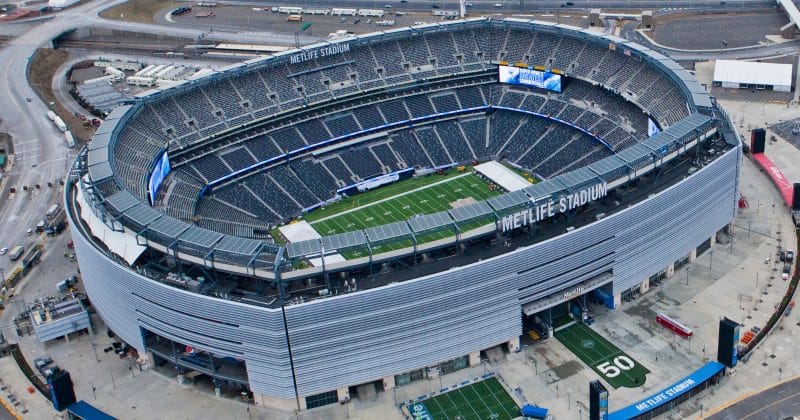
England and Panama will square off at MetLife Stadium on June 27 in a 2026 FIFA World Cup group-stage match, the first meeting between the two sides since England’s 6-1 demolition during the 2018 tournament in Russia. But the rematch carries significance beyond the pitch: it arrives during the first World Cup where crypto infrastructure is genuinely woven into the event’s fabric, not just slapped on as a logo.

The 2026 tournament, the first to feature 48 teams across three host countries, is shaping up to be as much a proving ground for digital asset adoption as it is for football.

Kraken steps into the FIFA spotlight

Kraken secured the title of FIFA’s Official Crypto Exchange Supporter, with its activation window running from June 9 through the final on July 19. The exchange is rolling out fan-facing tie-ins, including ticket giveaways for match spectators, designed to funnel mainstream sports audiences directly into the crypto ecosystem.

Advertisement

Fan tokens and CHZ are riding the wave

The CHZ token, native to the Chiliz blockchain that powers national-team fan tokens, surged 28% during early matchday trading as the tournament got underway. Fan tokens let holders vote on minor club decisions and access exclusive content. That 28% move in CHZ mirrors a pattern first observed during the 2022 World Cup in Qatar, when fan token trading volumes spiked around high-profile matches. The 2026 tournament features an official prediction market powered by Chainlink oracles and is supported by Avalanche Layer-1 infrastructure.

Elevated trading volumes in fan tokens on the Chiliz platform during specific matches suggest that engagement isn’t just casual browsing. Fans are putting capital to work around the events they care about, creating measurable on-chain activity that correlates with the real-world sports calendar.

What this means for investors

The most obvious play is CHZ and the Chiliz ecosystem. A 28% token price increase tied to early tournament trading activity demonstrates clear demand-side pressure from fan engagement. Fan token prices are notoriously spiky around match events, often surging before kickoff and dumping shortly after the final whistle regardless of result.

Kraken’s positioning is worth monitoring from a competitive landscape perspective. Coinbase and Binance have both pursued sports sponsorships in the past, but neither has landed anything quite this integrated at the FIFA level.

The Chainlink oracle infrastructure powering prediction markets also deserves a closer look. If these markets handle World Cup-scale volume without significant issues, it validates the oracle model for high-throughput, time-sensitive applications, with implications extending into DeFi protocols and real-world asset markets that depend on reliable external data feeds.

Disclosure: This article was edited by Editorial Team. For more information on how we create and review content, see our Editorial Policy.

England faces Panama in World Cup clash at MetLife Stadium as crypto infrastructure takes center stage

England faces Panama in World Cup clash at MetLife Stadium as crypto infrastructure takes center stage

Kraken's role as FIFA's official crypto exchange supporter and surging fan token activity signal a new era for digital assets in mainstream sports

England and Panama will square off at MetLife Stadium on June 27 in a 2026 FIFA World Cup group-stage match, the first meeting between the two sides since England’s 6-1 demolition during the 2018 tournament in Russia. But the rematch carries significance beyond the pitch: it arrives during the first World Cup where crypto infrastructure is genuinely woven into the event’s fabric, not just slapped on as a logo.

The 2026 tournament, the first to feature 48 teams across three host countries, is shaping up to be as much a proving ground for digital asset adoption as it is for football.

Kraken steps into the FIFA spotlight

Kraken secured the title of FIFA’s Official Crypto Exchange Supporter, with its activation window running from June 9 through the final on July 19. The exchange is rolling out fan-facing tie-ins, including ticket giveaways for match spectators, designed to funnel mainstream sports audiences directly into the crypto ecosystem.

Advertisement

Fan tokens and CHZ are riding the wave

The CHZ token, native to the Chiliz blockchain that powers national-team fan tokens, surged 28% during early matchday trading as the tournament got underway. Fan tokens let holders vote on minor club decisions and access exclusive content. That 28% move in CHZ mirrors a pattern first observed during the 2022 World Cup in Qatar, when fan token trading volumes spiked around high-profile matches. The 2026 tournament features an official prediction market powered by Chainlink oracles and is supported by Avalanche Layer-1 infrastructure.

Elevated trading volumes in fan tokens on the Chiliz platform during specific matches suggest that engagement isn’t just casual browsing. Fans are putting capital to work around the events they care about, creating measurable on-chain activity that correlates with the real-world sports calendar.

What this means for investors

The most obvious play is CHZ and the Chiliz ecosystem. A 28% token price increase tied to early tournament trading activity demonstrates clear demand-side pressure from fan engagement. Fan token prices are notoriously spiky around match events, often surging before kickoff and dumping shortly after the final whistle regardless of result.

Kraken’s positioning is worth monitoring from a competitive landscape perspective. Coinbase and Binance have both pursued sports sponsorships in the past, but neither has landed anything quite this integrated at the FIFA level.

The Chainlink oracle infrastructure powering prediction markets also deserves a closer look. If these markets handle World Cup-scale volume without significant issues, it validates the oracle model for high-throughput, time-sensitive applications, with implications extending into DeFi protocols and real-world asset markets that depend on reliable external data feeds.

Disclosure: This article was edited by Editorial Team. For more information on how we create and review content, see our Editorial Policy.