
Esports World Cup relocates from Saudi Arabia to Paris in 8 weeks, opening doors for crypto sponsorship under French regulation
The $75 million tournament's emergency move to France puts it squarely in the jurisdiction of Europe's most structured crypto licensing regime
The Esports World Cup, the largest competitive gaming event on the planet, is packing up and moving from Riyadh to Paris with just eight weeks of lead time. The Esports Foundation confirmed the relocation on May 20, citing security concerns tied to the Iran conflict and broader instability across the Middle East.
The tournament’s $75 million prize pool, its schedule running July 6 through August 23, and its roster of over 2,000 players across 24 game titles all remain intact.
War risk forces a logistical sprint
Reports of a potential move first surfaced around May 14, with the official confirmation arriving six days later. The stated rationale centers on escalating tensions in the Middle East, specifically risks to air travel and local infrastructure in Riyadh that made hosting a seven-week international event untenable.
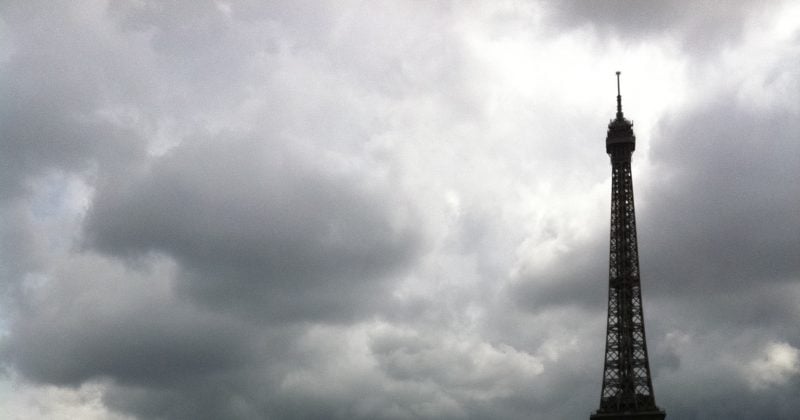
Paris Expo Porte de Versailles will serve as the primary venue, with a performance event scheduled at La Seine Musicale on July 8. This marks the first time the EWC has been held outside Saudi Arabia. Previous editions ran in Riyadh in 2024 and 2025, both bankrolled by the Saudi Public Investment Fund. The PIF remains the financial engine behind the 2026 edition despite the change of scenery.
The Club Championship alone carries $30 million in prize money. Across 25 events, including a $2 million Dota 2 tournament, the EWC dwarfs most standalone esports competitions in sheer economic footprint.
France’s crypto licensing framework enters the picture
Saudi Arabia’s relationship with crypto has been lukewarm. The previous Riyadh-hosted EWC editions featured minimal blockchain or cryptocurrency presence, and the 2026 Paris event won’t integrate fan tokens or on-chain components either.
France operates under a different regulatory philosophy. The country’s PSAN (Prestataires de Services sur Actifs Numériques) licensing framework gives digital asset firms a clear, structured pathway to operate legally. Licensed crypto businesses in France can engage in traditional sponsorship activities — jersey placements, booth presence, branded content — without navigating the regulatory gray zones that plague crypto marketing in most other jurisdictions.
No prominent crypto sponsorship deals have been announced for the Paris event yet.
What this means for investors watching esports and crypto convergence
No blockchain integration means no direct on-chain activity spike tied to the event. But if a major licensed crypto firm signs a visible sponsorship deal at the Paris EWC, it establishes a template that future events, and future editions of this tournament, can replicate at scale.
The EWC’s relocation demonstrates how quickly security concerns can reshape the commercial landscape for major international events. Saudi Arabia’s PIF has poured billions into sports and entertainment as part of its Vision 2030 diversification strategy, and the forced move to Paris puts a dent in the narrative that Riyadh is a stable, reliable host city for global tentpole events.