
EU agency warns airlines to avoid Iranian airspace amid military risks

https://ops.group/blog/middle-east-airspace-current-operational-picture/

EU agency warns airlines to avoid Iranian airspace amid military risks

Iran full airspace closure

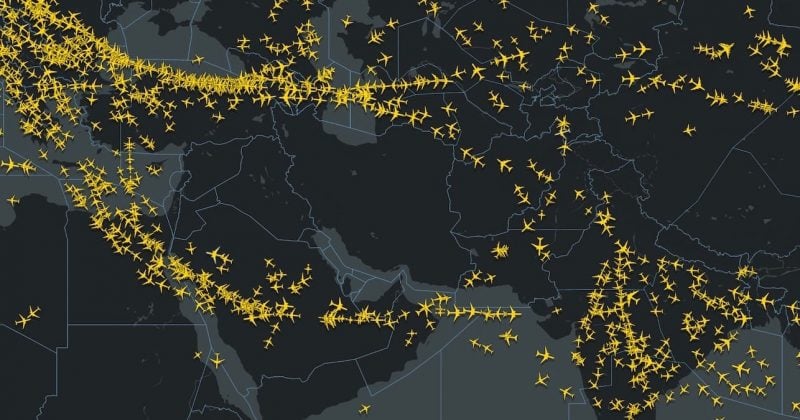
The European Union Aviation Safety Agency (EASA) has advised airlines to continue avoiding Iranian airspace amid potential military action. This warning comes as tensions remain high following the commencement of a US-Israel conflict with Iran earlier this year. Although a ceasefire was recently announced by President Trump, EASA’s advisory highlights ongoing risks, particularly the heightened alert status of Iranian air defenses. This development follows continued missile and drone activity by Iran, raising the possibility of misidentification that could endanger civilian flights.

Advertisement

Key Takeaways

  • The EU agency’s warning suggests continued military risks in Iranian airspace, consistent with scenarios where airlines may face operational challenges.
  • Market pricing indicates an increased likelihood of Iran implementing a full airspace closure by July 31, as evidenced by recent activity.
  • The advisory is consistent with ongoing regional instability, reflecting concerns about potential US military actions despite the announced ceasefire.

What to Watch

Observers should monitor official statements from the Civil Aviation Organization of Iran and any developments regarding US-Iran relations. Iranian media and government communications will be critical indicators of potential changes in airspace status. Continued military activity or official announcements could further influence market perceptions of airspace closures. The situation remains fluid, and any confirmation of heightened military engagements could drive significant shifts in market expectations.

Get prediction market intelligence as a structured API feed. Early access waitlist.

Disclosure: This article was edited by Estefano Gomez. For more information on how we create and review content, see our Editorial Policy.

EU agency warns airlines to avoid Iranian airspace amid military risks

EU agency warns airlines to avoid Iranian airspace amid military risks

Iran full airspace closure

https://ops.group/blog/middle-east-airspace-current-operational-picture/

The European Union Aviation Safety Agency (EASA) has advised airlines to continue avoiding Iranian airspace amid potential military action. This warning comes as tensions remain high following the commencement of a US-Israel conflict with Iran earlier this year. Although a ceasefire was recently announced by President Trump, EASA’s advisory highlights ongoing risks, particularly the heightened alert status of Iranian air defenses. This development follows continued missile and drone activity by Iran, raising the possibility of misidentification that could endanger civilian flights.

Advertisement

Key Takeaways

  • The EU agency’s warning suggests continued military risks in Iranian airspace, consistent with scenarios where airlines may face operational challenges.
  • Market pricing indicates an increased likelihood of Iran implementing a full airspace closure by July 31, as evidenced by recent activity.
  • The advisory is consistent with ongoing regional instability, reflecting concerns about potential US military actions despite the announced ceasefire.

What to Watch

Observers should monitor official statements from the Civil Aviation Organization of Iran and any developments regarding US-Iran relations. Iranian media and government communications will be critical indicators of potential changes in airspace status. Continued military activity or official announcements could further influence market perceptions of airspace closures. The situation remains fluid, and any confirmation of heightened military engagements could drive significant shifts in market expectations.

Get prediction market intelligence as a structured API feed. Early access waitlist.

Disclosure: This article was edited by Estefano Gomez. For more information on how we create and review content, see our Editorial Policy.