
EU court affirms Apple’s gatekeeper status under Digital Markets Act, opening doors for crypto app distribution

EU court affirms Apple’s gatekeeper status under Digital Markets Act, opening doors for crypto app distribution

The ruling reinforces Europe's sweeping Big Tech regulations and could reshape how crypto wallets and exchanges reach iPhone users.

The EU General Court just told Apple what it probably didn’t want to hear: you’re a gatekeeper, and that’s final. The Luxembourg-based court dismissed Apple’s challenge against its designation under the Digital Markets Act on Wednesday, handing the European Commission a clean win in one of the first major judicial tests of the landmark regulation.

The ruling came as a trio of decisions delivered jointly. The court confirmed Apple’s gatekeeper designation for both the App Store and iOS in full, validating the European Commission’s original September 5, 2023 decision. A separate judgment found Apple’s challenge regarding its iMessage service inadmissible, meaning the court didn’t even get to the merits on that one.

Advertisement

The DMA entered into force in November 2022, and its obligations started applying to designated gatekeepers in March 2024. Apple was hit with a €500 million fine in April 2025 for anti-steering violations connected to its app distribution practices. That penalty targeted Apple’s rules that prevented developers from directing users to cheaper purchasing options outside the App Store. The gatekeeper designation now being court-affirmed means the legal foundation for that fine, and future enforcement actions, is significantly more solid.

Gatekeeper obligations require Apple to facilitate alternative app marketplaces on iOS and allow third-party payment systems. Developers could potentially distribute crypto apps through channels that don’t route through Apple’s review process or its 30% commission structure. Alternative distribution channels mandated by the DMA could dramatically lower costs for crypto app developers operating in the EU.

The DMA is part of a broader European push to rein in digital platforms, sitting alongside the Digital Services Act, MiCA regulations for crypto assets, and the AI Act. MiCA establishes what crypto services are legal and how they should be regulated. The DMA then ensures that the platforms controlling access to consumers, like Apple’s App Store, can’t use their bottleneck position to disadvantage those services.

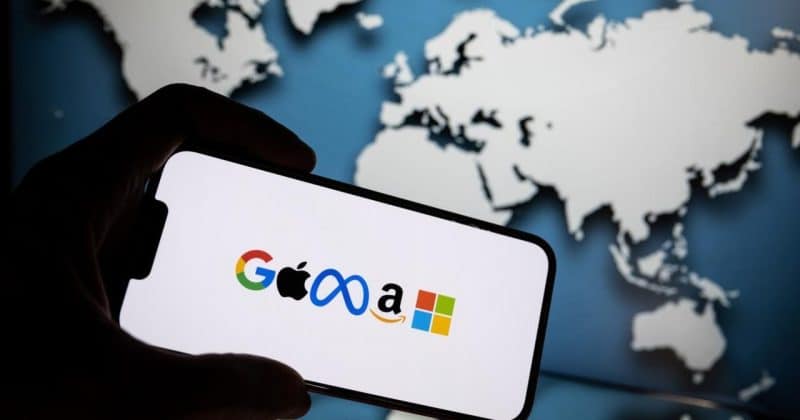
Other designated gatekeepers including Alphabet, Meta, Amazon, and Microsoft are watching this ruling closely. If Apple couldn’t successfully challenge its designation, the legal arguments available to other platforms are likely even weaker.

Disclosure: This article was edited by Editorial Team. For more information on how we create and review content, see our Editorial Policy.

EU court affirms Apple’s gatekeeper status under Digital Markets Act, opening doors for crypto app distribution

EU court affirms Apple’s gatekeeper status under Digital Markets Act, opening doors for crypto app distribution

The ruling reinforces Europe's sweeping Big Tech regulations and could reshape how crypto wallets and exchanges reach iPhone users.

The EU General Court just told Apple what it probably didn’t want to hear: you’re a gatekeeper, and that’s final. The Luxembourg-based court dismissed Apple’s challenge against its designation under the Digital Markets Act on Wednesday, handing the European Commission a clean win in one of the first major judicial tests of the landmark regulation.

The ruling came as a trio of decisions delivered jointly. The court confirmed Apple’s gatekeeper designation for both the App Store and iOS in full, validating the European Commission’s original September 5, 2023 decision. A separate judgment found Apple’s challenge regarding its iMessage service inadmissible, meaning the court didn’t even get to the merits on that one.

Advertisement

The DMA entered into force in November 2022, and its obligations started applying to designated gatekeepers in March 2024. Apple was hit with a €500 million fine in April 2025 for anti-steering violations connected to its app distribution practices. That penalty targeted Apple’s rules that prevented developers from directing users to cheaper purchasing options outside the App Store. The gatekeeper designation now being court-affirmed means the legal foundation for that fine, and future enforcement actions, is significantly more solid.

Gatekeeper obligations require Apple to facilitate alternative app marketplaces on iOS and allow third-party payment systems. Developers could potentially distribute crypto apps through channels that don’t route through Apple’s review process or its 30% commission structure. Alternative distribution channels mandated by the DMA could dramatically lower costs for crypto app developers operating in the EU.

The DMA is part of a broader European push to rein in digital platforms, sitting alongside the Digital Services Act, MiCA regulations for crypto assets, and the AI Act. MiCA establishes what crypto services are legal and how they should be regulated. The DMA then ensures that the platforms controlling access to consumers, like Apple’s App Store, can’t use their bottleneck position to disadvantage those services.

Other designated gatekeepers including Alphabet, Meta, Amazon, and Microsoft are watching this ruling closely. If Apple couldn’t successfully challenge its designation, the legal arguments available to other platforms are likely even weaker.

Disclosure: This article was edited by Editorial Team. For more information on how we create and review content, see our Editorial Policy.