
EU narrows ban on Russian combatants to appease France, Italy concerns

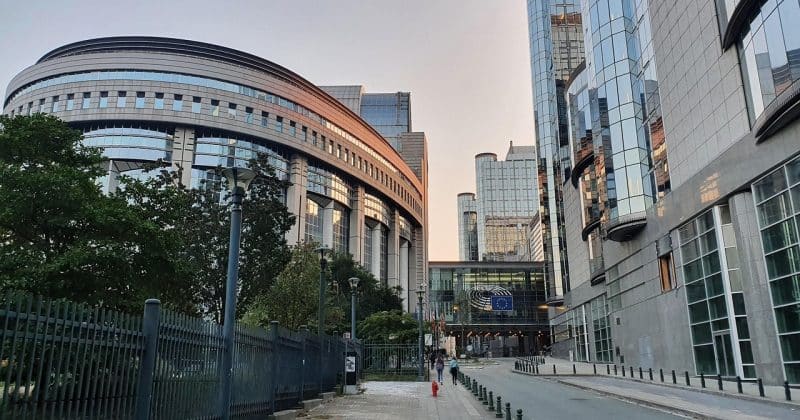
https://pixabay.com/photos/search/europeanparliament

EU narrows ban on Russian combatants to appease France, Italy concerns

Russia-Ukraine ceasefire agreement

The European Union has decided to modify its proposed sanctions against Russian combatants, narrowing the ban to only those seeking short-stay visas and who have fought directly in conflicts. This adjustment comes after France and Italy raised concerns over the blanket ban initially proposed, citing both legal and technical issues. The measure is part of the EU’s 21st sanctions package in response to Russia’s ongoing military actions in Ukraine. This development suggests a diplomatic compromise within the EU, balancing the need for security against respecting member states’ sovereignty in visa policies. Market pricing appears to interpret this move as a minor decrease in the likelihood of a formal ceasefire agreement between Russia and Ukraine by the end of 2026.

Advertisement

Key Takeaways

  • The EU appears to have modified its sanctions approach under pressure from France and Italy, focusing on short-stay visas for direct combatants.
  • This adjustment suggests internal EU negotiations balancing security concerns with member state autonomy.
  • Market pricing implies a slight decrease in the probability of a ceasefire agreement between Russia and Ukraine by December 2026.

What to Watch

Observers should monitor further EU discussions that may impact broader sanctions frameworks and potential diplomatic engagements with Russia. Key actors, including Vladimir Putin and Volodymyr Zelensky, remain central to any future ceasefire developments. Changes in U.S. mediation efforts or new military actions by Russia could also affect market perceptions of a potential ceasefire. Watch for any announcements from EU meetings or statements from involved nations that could influence the outlook for peace talks.

Get prediction market intelligence as a structured API feed. Early access waitlist.

Disclosure: This article was edited by Estefano Gomez. For more information on how we create and review content, see our Editorial Policy.

EU narrows ban on Russian combatants to appease France, Italy concerns

EU narrows ban on Russian combatants to appease France, Italy concerns

Russia-Ukraine ceasefire agreement

https://pixabay.com/photos/search/europeanparliament

The European Union has decided to modify its proposed sanctions against Russian combatants, narrowing the ban to only those seeking short-stay visas and who have fought directly in conflicts. This adjustment comes after France and Italy raised concerns over the blanket ban initially proposed, citing both legal and technical issues. The measure is part of the EU’s 21st sanctions package in response to Russia’s ongoing military actions in Ukraine. This development suggests a diplomatic compromise within the EU, balancing the need for security against respecting member states’ sovereignty in visa policies. Market pricing appears to interpret this move as a minor decrease in the likelihood of a formal ceasefire agreement between Russia and Ukraine by the end of 2026.

Advertisement

Key Takeaways

  • The EU appears to have modified its sanctions approach under pressure from France and Italy, focusing on short-stay visas for direct combatants.
  • This adjustment suggests internal EU negotiations balancing security concerns with member state autonomy.
  • Market pricing implies a slight decrease in the probability of a ceasefire agreement between Russia and Ukraine by December 2026.

What to Watch

Observers should monitor further EU discussions that may impact broader sanctions frameworks and potential diplomatic engagements with Russia. Key actors, including Vladimir Putin and Volodymyr Zelensky, remain central to any future ceasefire developments. Changes in U.S. mediation efforts or new military actions by Russia could also affect market perceptions of a potential ceasefire. Watch for any announcements from EU meetings or statements from involved nations that could influence the outlook for peace talks.

Get prediction market intelligence as a structured API feed. Early access waitlist.

Disclosure: This article was edited by Estefano Gomez. For more information on how we create and review content, see our Editorial Policy.