
European Commission vows tougher action on trade with China as deficit hits €360 billion
Brussels is preparing to deploy broader tariffs, import quotas, and safeguard measures across chemicals, metals, and clean tech sectors in what officials call an 'existential' response to Chinese overcapacity.
The European Commission is done playing nice with Beijing. On May 29, EU commissioners held preliminary discussions on a sweeping recalibration of trade defenses against China, signaling that the bloc is ready to move beyond targeted product-level disputes and toward sector-wide protectionism.
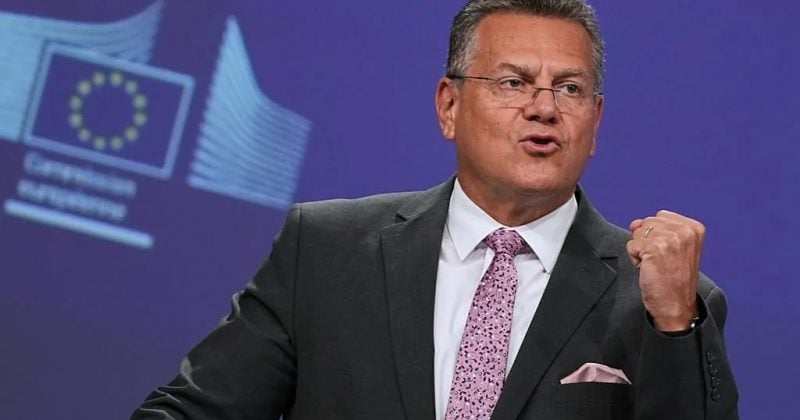
EU industry chief Stéphane Séjourné characterized the threat from Chinese competition as “existential.” The plan: expand the use of import quotas, tariffs, and safeguard measures across chemicals, metals, and clean technology, three sectors where Chinese exports have been flooding European markets at prices domestic producers simply cannot match.
A coalition of the willing
Brussels isn’t acting in a vacuum. Five EU member states, France, Italy, Spain, the Netherlands, and Lithuania, submitted a joint non-paper around May 24 that calls for accelerated sector-wide safeguard investigations, increased tariffs, and the development of entirely new defensive tools to counter what these governments describe as unfair trade practices.
The numbers driving this urgency are hard to ignore. The EU-China goods trade deficit hit approximately €360 billion in 2025, a figure that has only continued to widen into 2026.
Germany’s uncomfortable position
Not everyone in Brussels is enthusiastic about escalation. Germany has voiced concerns about the potential blowback from heightened trade defenses, with Berlin worried that aggressive EU tariffs could invite retaliatory measures from Beijing that hurt German exporters disproportionately.
Macro, rates, and crypto—what moved markets and what matters next.
Daily. Free. Join 34,000+ readers across crypto, finance, and policy.
Beijing has already warned that countermeasures are on the table. The EU’s existing tariffs on Chinese electric vehicles, imposed in late 2024, already drew retaliatory investigations from China into European brandy and pork imports.
What this means for markets and investors
The EU’s strategic shift fits into a broader “de-risking” framework that has been gaining momentum since 2023. The goal isn’t to decouple from China entirely, but to reduce strategic dependencies in sectors deemed critical to European security and industrial competitiveness.
The Commission is preparing for further debate at upcoming G7 and EU summits. The speed of the safeguard investigations, in particular, will determine whether this is a gradual policy shift or a sharp market-moving event.