
FC Barcelona dominates 2026 FIFA World Cup semi-finals with 10 players, and crypto has nothing to do with it

FC Barcelona dominates 2026 FIFA World Cup semi-finals with 10 players, and crypto has nothing to do with it

The Catalan giants' stranglehold on international football offers a quiet lesson about where real institutional value comes from.

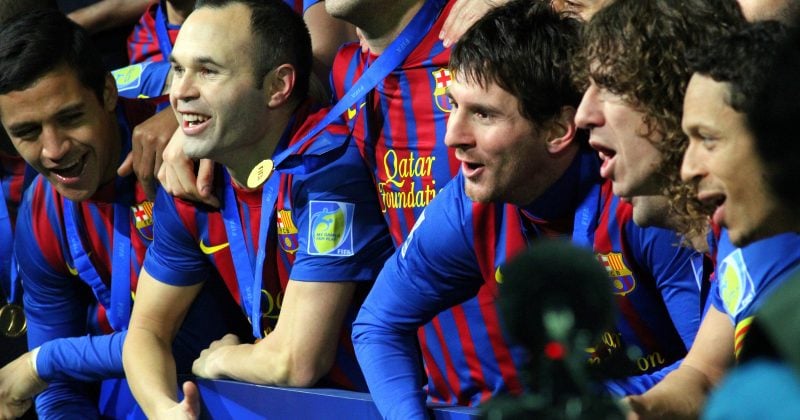
FC Barcelona has 10 current or incoming players competing in the 2026 FIFA World Cup semi-finals. That’s not a typo. One club, spread across three national teams, accounts for a staggering chunk of the talent still alive in football’s biggest tournament.

Barcelona’s grip on the beautiful game

Eight of Barcelona’s representatives are wearing Spain’s colors. Lamine Yamal, Pedri, Gavi, Pau Cubarsí, Dani Olmo, Ferran Torres, Eric García, and Joan García all carry the Blaugrana DNA into the semi-final stage. Jules Koundé adds a ninth body through France’s squad. And Anthony Gordon, set to join Barcelona as the club’s first transfer target for the 2026/27 season, rounds out the ten through England.

Spain faces France in one of the semi-final matchups scheduled for July 14-15. That means at least nine Barcelona players will be on the pitch at the same time, split across two sides. No matter who wins, Barcelona will almost certainly have representation in the final.

Advertisement

Barcelona players have appeared in every World Cup final for the past five consecutive tournaments. The 2026 tournament is the first World Cup expanded to 48 teams, co-hosted by the United States, Canada, and Mexico.

La Masia, Barcelona’s famed youth academy, deserves a significant share of the credit. The pipeline that produced Lionel Messi, Xavi, Iniesta, and Busquets continues to churn out world-class talent. Yamal, Pedri, Gavi, and Cubarsí are all products of that system.

Why this matters beyond the pitch

Barcelona spent the last few years in well-documented financial turmoil. The club activated multiple “economic levers” starting in 2022, selling off future revenue streams to stay solvent. There were sponsorship deals with Spotify. There were brief flirtations with fan tokens and blockchain partnerships that generated headlines but not much lasting impact.

Despite Barcelona’s previous ventures into fan tokens through platforms like Socios, and despite the broader trend of sports organizations experimenting with blockchain-based engagement tools, there is zero crypto or digital asset connection to this World Cup achievement.

What investors should actually watch

Fan tokens, once pitched as the future of supporter engagement, have largely underperformed as speculative assets. The broader sports NFT market has cooled considerably from its 2021-2022 peak. Most tokenized sports ventures now trade at a fraction of their launch valuations.

Disclosure: This article was edited by Editorial Team. For more information on how we create and review content, see our Editorial Policy.

FC Barcelona dominates 2026 FIFA World Cup semi-finals with 10 players, and crypto has nothing to do with it

FC Barcelona dominates 2026 FIFA World Cup semi-finals with 10 players, and crypto has nothing to do with it

The Catalan giants' stranglehold on international football offers a quiet lesson about where real institutional value comes from.

FC Barcelona has 10 current or incoming players competing in the 2026 FIFA World Cup semi-finals. That’s not a typo. One club, spread across three national teams, accounts for a staggering chunk of the talent still alive in football’s biggest tournament.

Barcelona’s grip on the beautiful game

Eight of Barcelona’s representatives are wearing Spain’s colors. Lamine Yamal, Pedri, Gavi, Pau Cubarsí, Dani Olmo, Ferran Torres, Eric García, and Joan García all carry the Blaugrana DNA into the semi-final stage. Jules Koundé adds a ninth body through France’s squad. And Anthony Gordon, set to join Barcelona as the club’s first transfer target for the 2026/27 season, rounds out the ten through England.

Spain faces France in one of the semi-final matchups scheduled for July 14-15. That means at least nine Barcelona players will be on the pitch at the same time, split across two sides. No matter who wins, Barcelona will almost certainly have representation in the final.

Advertisement

Barcelona players have appeared in every World Cup final for the past five consecutive tournaments. The 2026 tournament is the first World Cup expanded to 48 teams, co-hosted by the United States, Canada, and Mexico.

La Masia, Barcelona’s famed youth academy, deserves a significant share of the credit. The pipeline that produced Lionel Messi, Xavi, Iniesta, and Busquets continues to churn out world-class talent. Yamal, Pedri, Gavi, and Cubarsí are all products of that system.

Why this matters beyond the pitch

Barcelona spent the last few years in well-documented financial turmoil. The club activated multiple “economic levers” starting in 2022, selling off future revenue streams to stay solvent. There were sponsorship deals with Spotify. There were brief flirtations with fan tokens and blockchain partnerships that generated headlines but not much lasting impact.

Despite Barcelona’s previous ventures into fan tokens through platforms like Socios, and despite the broader trend of sports organizations experimenting with blockchain-based engagement tools, there is zero crypto or digital asset connection to this World Cup achievement.

What investors should actually watch

Fan tokens, once pitched as the future of supporter engagement, have largely underperformed as speculative assets. The broader sports NFT market has cooled considerably from its 2021-2022 peak. Most tokenized sports ventures now trade at a fraction of their launch valuations.

Disclosure: This article was edited by Editorial Team. For more information on how we create and review content, see our Editorial Policy.