
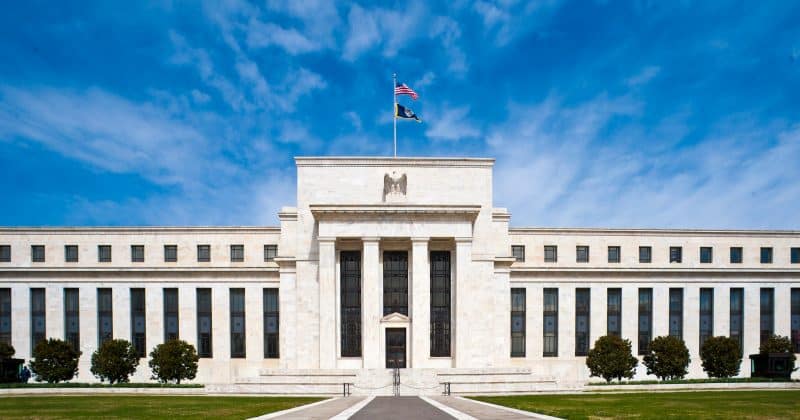
Federal Reserve requests public comment on AML program amendments that could reshape bank compliance
The proposed changes push banks toward risk-based anti-money laundering frameworks, with ripple effects that could touch crypto-adjacent financial services.
The Federal Reserve, alongside three other major banking regulators, has opened the door for public input on proposed changes to how banks structure their anti-money laundering programs. The joint notice, issued with the Office of the Comptroller of the Currency, the Federal Deposit Insurance Corporation, and the National Credit Union Administration, targets the foundational rules governing AML and counter-terrorism financing compliance at supervised financial institutions.
What the proposed amendments actually change
The core of the proposal revolves around making AML and CFT programs “outcomes-focused” rather than process-driven. Under the current framework, a bank can technically be compliant by having the right policies on paper, even if those policies aren’t particularly effective at catching illicit finance. The proposed amendments, directed by the AML Act of 2020, want to flip that script. Banks would need to demonstrate that their programs actually produce results, not just that they exist.
A key component requires banks to conduct formal risk assessments, a practice that many large institutions already perform but that isn’t uniformly mandated across the board. These assessments would need to incorporate FinCEN’s national priorities, which currently include things like combating corruption, fraud, transnational criminal organizations, and the financing of terrorism.
Comments on the proposals were due 60 days after publication in the Federal Register.
The news moving money, markets, and the world—before your day starts.
Daily. Free. Join 34,000+ readers across crypto, finance, and policy.
A regulatory split emerges
In April 2026, FinCEN published its own Notice of Proposed Rulemaking that fundamentally revised the AML/CFT requirements, effectively superseding the original joint proposals from mid-2024. The OCC, FDIC, and NCUA all aligned their proposals with FinCEN’s updated framework. The Federal Reserve, however, chose not to issue a parallel rulemaking. It was consulted in the process but opted to sit on the sidelines rather than co-sign FinCEN’s more aggressive revision. The comments deadline for FinCEN’s 2026 proposed rules was June 9, 2026.
What this means for crypto and digital assets
The proposals don’t mention specific crypto tokens or digital assets. Traditional bank AML frameworks and digital asset regulation remain on largely separate tracks. The forthcoming GENIUS Act, which addresses AML/CFT and sanctions requirements for permitted payment stablecoin issuers, represents a parallel effort to bring digital asset compliance into the same neighborhood as traditional banking rules.