
Federal Reserve balance sheet edges up to $6.725 trillion as Warsh era begins

Federal Reserve balance sheet edges up to $6.725 trillion as Warsh era begins

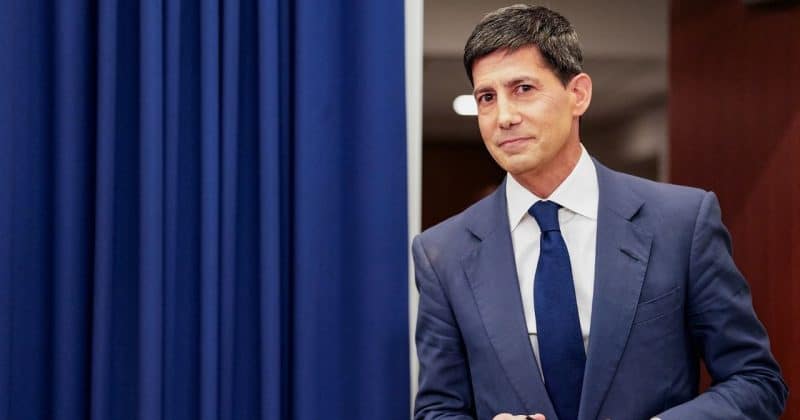
The Fed's first balance sheet update under new chair Kevin Warsh shows a $13.9 billion weekly increase, with task forces launched to review the central bank's massive asset portfolio.

The Federal Reserve’s balance sheet grew to $6.725 trillion for the week ending June 17, 2026, marking a $13.9 billion increase from the prior week and a $48 billion rise year-over-year. The expansion, driven primarily by higher securities and reserve holdings, arrived on the same day Kevin Warsh sat in the big chair for his first FOMC meeting.

What the numbers actually show

The H.4.1 statistical release showed total assets climbing modestly. That matters because for years the dominant narrative was quantitative tightening, the slow process of letting bonds roll off the balance sheet to drain liquidity from the financial system. A week-over-week bump of $13.9 billion doesn’t reverse that story, but it does complicate it.

The year-over-year increase of $48 billion suggests the balance sheet has found something resembling a floor after years of deliberate shrinkage, or at least that the pace of reduction has meaningfully slowed.

Advertisement

Meanwhile, the FOMC held the federal funds rate steady at 3.5%-3.75%.

Warsh’s balance sheet review signals a new approach

Perhaps the most consequential development wasn’t the rate decision or the asset totals. It was the FOMC’s announcement that it is establishing task forces to review the composition and size of the Fed’s $6.7 trillion balance sheet.

Warsh has historically been skeptical of the Fed’s post-2008 balance sheet expansion. He dissented from early rounds of quantitative easing during his previous stint as a Fed governor. Launching a formal review in his very first meeting as chair is a signal that the size and structure of the balance sheet are going to be active policy questions.

For context, the Fed’s balance sheet peaked at roughly $9 trillion in 2022 before quantitative tightening began chipping away at it. At $6.725 trillion, it’s still roughly triple what it was before the 2008 financial crisis.

What this means for crypto and risk assets

Bitcoin was trading below $65,000 around the time of the June 17 FOMC decision. That price level suggests cautious sentiment among crypto traders waiting for clearer signals about the direction of monetary policy.

The $13.9 billion weekly increase in total assets is too small to meaningfully shift liquidity conditions on its own. But if the Warsh-era task forces conclude the balance sheet needs to shrink further or faster, that could tighten financial conditions in ways that pressure everything from equities to crypto.

Investors should watch two things going forward. First, the cadence and conclusions of the balance sheet task forces, because any recommendation to accelerate runoff or alter the composition of holdings would directly affect liquidity. Second, the relationship between the federal funds rate and reserve levels, because a steady rate at 3.5%-3.75% combined with growing reserves creates a very different environment than the same rate with shrinking reserves.

Disclosure: This article was edited by Editorial Team. For more information on how we create and review content, see our Editorial Policy.

Federal Reserve balance sheet edges up to $6.725 trillion as Warsh era begins

Federal Reserve balance sheet edges up to $6.725 trillion as Warsh era begins

The Fed's first balance sheet update under new chair Kevin Warsh shows a $13.9 billion weekly increase, with task forces launched to review the central bank's massive asset portfolio.

The Federal Reserve’s balance sheet grew to $6.725 trillion for the week ending June 17, 2026, marking a $13.9 billion increase from the prior week and a $48 billion rise year-over-year. The expansion, driven primarily by higher securities and reserve holdings, arrived on the same day Kevin Warsh sat in the big chair for his first FOMC meeting.

What the numbers actually show

The H.4.1 statistical release showed total assets climbing modestly. That matters because for years the dominant narrative was quantitative tightening, the slow process of letting bonds roll off the balance sheet to drain liquidity from the financial system. A week-over-week bump of $13.9 billion doesn’t reverse that story, but it does complicate it.

The year-over-year increase of $48 billion suggests the balance sheet has found something resembling a floor after years of deliberate shrinkage, or at least that the pace of reduction has meaningfully slowed.

Advertisement

Meanwhile, the FOMC held the federal funds rate steady at 3.5%-3.75%.

Warsh’s balance sheet review signals a new approach

Perhaps the most consequential development wasn’t the rate decision or the asset totals. It was the FOMC’s announcement that it is establishing task forces to review the composition and size of the Fed’s $6.7 trillion balance sheet.

Warsh has historically been skeptical of the Fed’s post-2008 balance sheet expansion. He dissented from early rounds of quantitative easing during his previous stint as a Fed governor. Launching a formal review in his very first meeting as chair is a signal that the size and structure of the balance sheet are going to be active policy questions.

For context, the Fed’s balance sheet peaked at roughly $9 trillion in 2022 before quantitative tightening began chipping away at it. At $6.725 trillion, it’s still roughly triple what it was before the 2008 financial crisis.

What this means for crypto and risk assets

Bitcoin was trading below $65,000 around the time of the June 17 FOMC decision. That price level suggests cautious sentiment among crypto traders waiting for clearer signals about the direction of monetary policy.

The $13.9 billion weekly increase in total assets is too small to meaningfully shift liquidity conditions on its own. But if the Warsh-era task forces conclude the balance sheet needs to shrink further or faster, that could tighten financial conditions in ways that pressure everything from equities to crypto.

Investors should watch two things going forward. First, the cadence and conclusions of the balance sheet task forces, because any recommendation to accelerate runoff or alter the composition of holdings would directly affect liquidity. Second, the relationship between the federal funds rate and reserve levels, because a steady rate at 3.5%-3.75% combined with growing reserves creates a very different environment than the same rate with shrinking reserves.

Disclosure: This article was edited by Editorial Team. For more information on how we create and review content, see our Editorial Policy.