
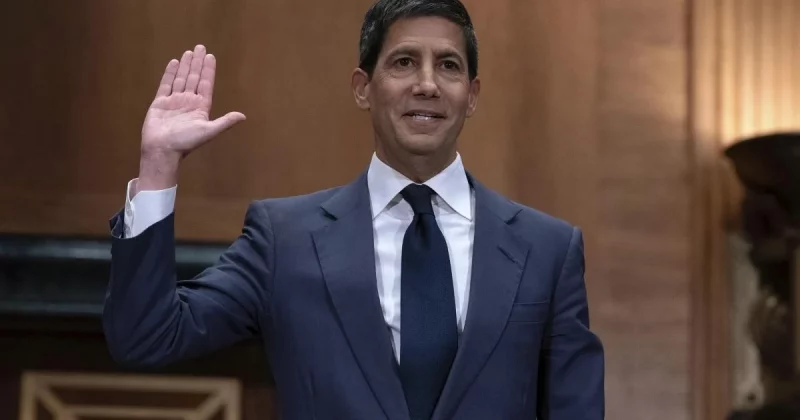
Federal Reserve Chair Kevin Warsh highlights AI’s cost-cutting potential, draws parallels to 1990s boom
The new Fed Chair argues artificial intelligence could trigger a productivity surge that central banks are underestimating, potentially opening the door to rate cuts.
Kevin Warsh, the newly installed Chair of the Federal Reserve, is making a bold bet. He thinks artificial intelligence is about to make almost everything cheaper, and that the Fed should be ready to act accordingly.
Sworn in on May 22, 2026, after being nominated by President Trump in January, Warsh has wasted little time staking out a position that puts him at odds with some of his own colleagues. His core argument: AI is a disinflationary force that could reshape the US economy in ways central bankers aren’t fully appreciating.
The Greenspan playbook, updated for the AI era
Warsh isn’t pulling this thesis out of thin air. He’s pointing to a historical analog that older market watchers remember well: the productivity boom of the 1990s.
During the decade when the internet went from novelty to infrastructure, output per hour averaged 2.7% annually from 1994 to 2004. Inflation declined over that same stretch. The economy grew faster while prices stayed tame.
Warsh sees AI delivering a similar dynamic. In a November 2025 op-ed, he argued that AI will increase American competitiveness and act as a disinflationary force. “AI is going to make almost everything cost less,” Warsh has stated, framing it as a potential productivity boom rather than incremental improvement.
Warsh advocates for a policy landscape that mirrors the Greenspan-era approach, where the then-Fed Chair exercised patience during an economic expansion fueled by technological change. Alan Greenspan famously resisted calls to raise rates aggressively, betting that productivity gains were real and sustainable.
Not everyone at the Fed is buying it
Federal Reserve colleagues have expressed skepticism about whether rapid productivity gains can materialize quickly enough to justify aggressive monetary easing. Officials within the Fed have highlighted that tariffs and energy costs remain stubborn headwinds.
Warsh is essentially arguing for a forward-looking framework: set policy based on where the economy is heading, not just where it’s been. His skeptics prefer to wait for the data to confirm the productivity story before adjusting rates.
What this means for markets and investors
If AI genuinely drives down production costs across industries, inflation cools structurally. If inflation cools, the Fed has room to lower interest rates without worrying about overheating the economy.
If Warsh pushes for rate cuts and AI-driven disinflation doesn’t materialize on his timeline, the Fed could find itself easing into an inflationary environment. The combination of tariff-driven price increases and premature rate cuts could produce stagflationary pressure.
Investors also need to consider that the Federal Reserve operates by committee, and if enough governors remain skeptical about the AI productivity thesis, rate decisions could end up more cautious than Warsh’s rhetoric suggests.