
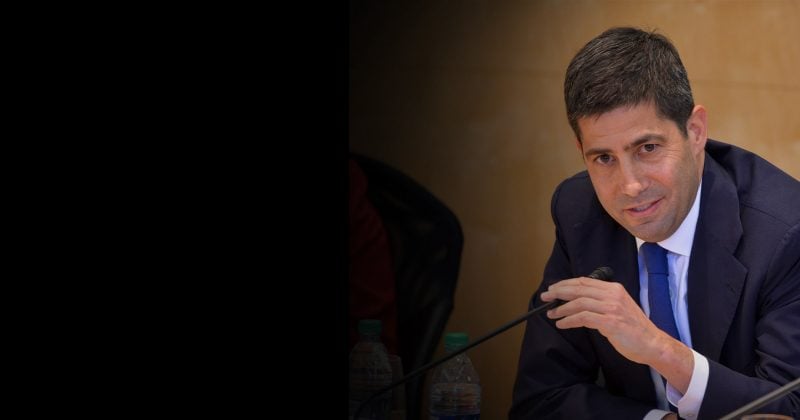
Fed Chair Kevin Warsh heads to Capitol Hill as new inflation data drops
Warsh's first semi-annual testimony coincides with June CPI figures expected to show cooling inflation, creating a high-stakes moment for markets and monetary policy.
Kevin Warsh is about to have the most scrutinized two days of his tenure as Federal Reserve Chairman. His first semi-annual Monetary Policy Report testimony lands on July 14 before the House Financial Services Committee and July 15 before the Senate Banking Committee, and the timing could not be more consequential.
The June Consumer Price Index data drops on the same day as his House appearance. Projections point to year-over-year inflation falling to 3.8%, down from 4.2% in May. That’s a meaningful decline, and it sets the stage for what could be a pivotal moment in the trajectory of US monetary policy.
The numbers behind the testimony
The projected drop from 4.2% to 3.8% in headline inflation is largely attributed to declining energy prices following diplomatic efforts concerning Iran. Core inflation, which strips out volatile food and energy components, is expected to come in at 2.8% for June.
Warsh has made clear that returning inflation to the 2% target is the defining priority of his chairmanship. He was confirmed in early 2026 following a nomination by President Trump, and since taking the helm, he has consistently emphasized two things: price stability and Fed independence.
Why crypto markets should care
The relationship between inflation data, Fed policy, and crypto prices has become one of the more reliable correlations in digital asset markets over the past few years. When inflation runs hot and the Fed stays hawkish, risk assets take a hit. When inflation cools and rate cuts come into view, Bitcoin and the broader crypto market tend to rally.
Macro, rates, and crypto—what moved markets and what matters next.
Daily. Free. Join 34,000+ readers across crypto, finance, and policy.
The core inflation reading of 2.8% could give Warsh room to be cautiously optimistic without committing to any specific timeline for rate adjustments.
The political dimension
Semi-annual testimony is required by law, and Warsh’s appearance carries an extra layer of scrutiny because of the circumstances of his appointment. Nominated by Trump and confirmed in early 2026, Warsh enters these hearings needing to demonstrate that the Fed operates independently of the White House.
Lawmakers on both sides of the aisle will have their own agendas. House Financial Services Committee members will likely press Warsh on everything from housing costs to the impact of tariff policies on consumer prices. Senate Banking Committee members may dig deeper into financial stability concerns and the Fed’s balance sheet.
The decline in energy prices driving the headline inflation improvement also introduces a geopolitical variable. If tensions flare again and energy prices reverse course, the inflation story could change quickly. Warsh will likely be asked about the durability of the current disinflationary trend.
Equity markets, particularly rate-sensitive sectors like tech and real estate, will be parsing every word alongside crypto traders. But the gap between 3.8% and the 2% target means the Fed still has work to do, and Warsh’s first congressional outing will set expectations for how quickly, or slowly, that work gets done.