
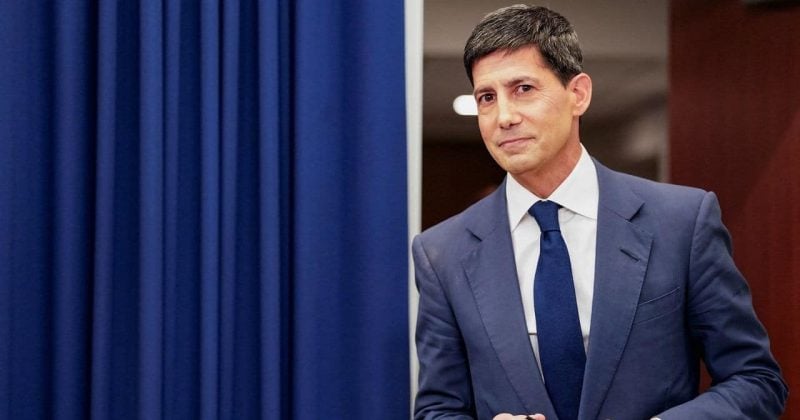
Fed chair Warsh questions AI’s impact timing on employment, policy decisions

https://www.cnn.com/2026/06/17/business/live-news/federal-reserve-interest-rate-kevin-warsh

Fed chair Warsh questions AI’s impact timing on employment, policy decisions

Fed rate hike deadlines

Federal Reserve Chair Kevin Warsh has raised significant questions regarding the timing of artificial intelligence’s impact on employment, as the Fed continues to aim for maximum employment and stable prices. Warsh’s comments introduce uncertainty about how soon AI could affect labor markets, a factor that may influence Federal Reserve policy decisions. The Fed’s current interest rate stands between 3.50% and 3.75%, with expectations of a gradual decrease towards 3% amid a projected unemployment rate of around 4%. Warsh’s view that AI could lead to disinflation through productivity gains is contested by other analysts, who cite ongoing inflation challenges and growing demand from AI investments as potential offsetting forces.

Advertisement

Key Takeaways

  • Warsh’s comments appear to create uncertainty about AI’s role in future employment, which may affect the Fed’s policy approach.
  • Pricing suggests a slight decrease in the probability of a rate hike by the Federal Reserve’s September 2026 meeting.
  • The market appears consistent with a scenario where the Fed takes a cautious approach to rate changes due to AI’s uncertain impact.

What to Watch

Market participants will be closely monitoring upcoming Federal Reserve statements and the Fed’s interpretation of employment data as AI continues to evolve. Any significant shift in labor market metrics or inflation data could prompt reevaluation of rate hike probabilities. Key indicators to watch include monthly employment reports, inflation trends, and statements from Fed officials regarding AI’s economic impact. Developments in these areas could indicate a change in the Fed’s approach to interest rates in the coming months.

Get prediction market intelligence as a structured API feed. Early access waitlist.

Disclosure: This article was edited by Estefano Gomez. For more information on how we create and review content, see our Editorial Policy.

Fed chair Warsh questions AI’s impact timing on employment, policy decisions

Fed chair Warsh questions AI’s impact timing on employment, policy decisions

Fed rate hike deadlines

https://www.cnn.com/2026/06/17/business/live-news/federal-reserve-interest-rate-kevin-warsh

Federal Reserve Chair Kevin Warsh has raised significant questions regarding the timing of artificial intelligence’s impact on employment, as the Fed continues to aim for maximum employment and stable prices. Warsh’s comments introduce uncertainty about how soon AI could affect labor markets, a factor that may influence Federal Reserve policy decisions. The Fed’s current interest rate stands between 3.50% and 3.75%, with expectations of a gradual decrease towards 3% amid a projected unemployment rate of around 4%. Warsh’s view that AI could lead to disinflation through productivity gains is contested by other analysts, who cite ongoing inflation challenges and growing demand from AI investments as potential offsetting forces.

Advertisement

Key Takeaways

  • Warsh’s comments appear to create uncertainty about AI’s role in future employment, which may affect the Fed’s policy approach.
  • Pricing suggests a slight decrease in the probability of a rate hike by the Federal Reserve’s September 2026 meeting.
  • The market appears consistent with a scenario where the Fed takes a cautious approach to rate changes due to AI’s uncertain impact.

What to Watch

Market participants will be closely monitoring upcoming Federal Reserve statements and the Fed’s interpretation of employment data as AI continues to evolve. Any significant shift in labor market metrics or inflation data could prompt reevaluation of rate hike probabilities. Key indicators to watch include monthly employment reports, inflation trends, and statements from Fed officials regarding AI’s economic impact. Developments in these areas could indicate a change in the Fed’s approach to interest rates in the coming months.

Get prediction market intelligence as a structured API feed. Early access waitlist.

Disclosure: This article was edited by Estefano Gomez. For more information on how we create and review content, see our Editorial Policy.