
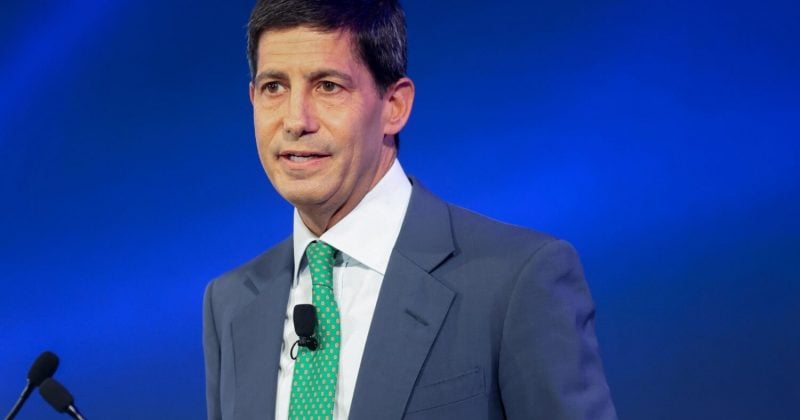
Federal Reserve chair Kevin Warsh goes quiet, and markets are getting nervous
The new Fed chair's silence on rate policy is rattling Treasuries, equities, and crypto in equal measure
Kevin Warsh, confirmed as Federal Reserve Chair on May 13, 2026, has made deliberate silence a policy choice. The Senate confirmed him 54-45, the closest Fed confirmation vote in modern history.
Since his swearing-in on May 22, Warsh has systematically pulled back from the communication playbook his predecessors relied on. Less forward guidance. Shorter policy statements. No commitment to holding regular post-meeting press conferences.
The silence is the policy
Warsh held his first Federal Open Market Committee meeting on June 17, deciding to keep the federal funds rate steady at 3.50-3.75%. Inflation was still running above 4% at the time.
The result was predictable: volatility spiked. Analysts watching the shift warned immediately that reducing what traders call “Fedspeak” introduces compounding uncertainty. When you don’t know what the Fed is thinking, every economic data point becomes a potential trigger event.
Treasuries moved. Equities moved. And crypto, which has spent years becoming increasingly correlated with macro signals, moved too.
The news moving money, markets, and the world—before your day starts.
Daily. Free. Join 34,000+ readers across crypto, finance, and policy.
What this means for Bitcoin and digital assets
Bitcoin fell below $64,000 following the June FOMC meeting, as uncertainty about the rate path spooked risk-asset investors. Then Warsh made an offhand comment suggesting inflation risks had eased. Bitcoin climbed back above $60,000 by early July.
Warsh’s financial disclosures revealed investments in several crypto-related entities, including dYdX, Lighter, Polychain Capital, Dapper Labs, Solana, and Optimism. He has also publicly described Bitcoin as a “sustainable store of value,” language that stands out from the cautious, often skeptical framing used by his predecessors.
Why less communication creates more risk
Warsh held rates at 3.50-3.75% with inflation above 4%, a data-dependent posture that suggests he’s watching price data closely before committing to any direction.
The closest historical analog is the early Volcker Fed, when Paul Volcker also dramatically reduced communication and let actions speak louder than words. That period was marked by severe volatility before markets eventually repriced to the new reality.