
Nexo Earn with Nexo
Federal Reserve faces higher rate expectations under Kevin Warsh

Federal Reserve faces higher rate expectations under Kevin Warsh

Economists are pricing in a potential rate hike as the new Fed chair takes the helm with $192 million in personal crypto holdings

For the first time in years, markets are seriously contemplating the possibility that the Federal Reserve’s next move on interest rates could be up, not down.

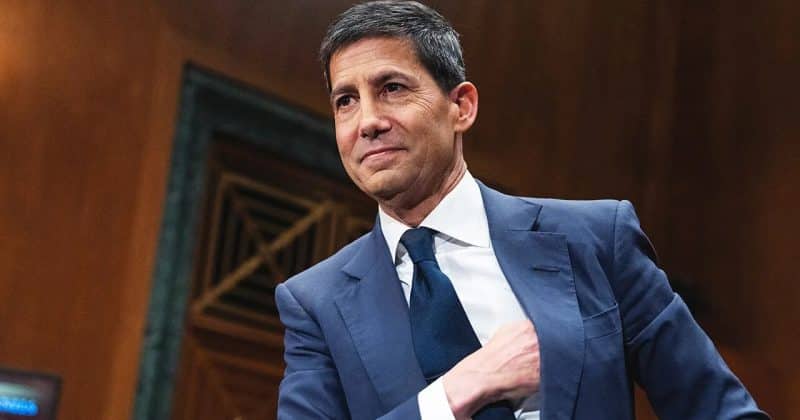
Kevin Warsh officially took office as Fed Chair on May 22, 2026, succeeding Jerome Powell after a narrow Senate confirmation vote of 54-45 on May 13. His arrival has fundamentally reshuffled the deck on rate expectations, with forecasts now pointing toward at least a 25-basis-point increase sometime later this year.

From rate cuts to rate hikes

Before Warsh’s confirmation, the prevailing consensus leaned toward eventual rate cuts. Now, persistent inflation concerns and Warsh’s known hawkish tendencies have investors recalibrating in the opposite direction.

Warsh’s first Federal Open Market Committee meeting is scheduled for June 16-17, 2026. Most analysts expect rates to remain unchanged at that gathering.

Advertisement

Warsh has been a vocal critic of various monetary policies over the years, and he’s advocated for reducing the Fed’s balance sheet. At the same time, he’s expressed support for rate cuts driven by AI-fueled productivity gains. A potential 25-basis-point rate increase for 2026 is now firmly in the conversation.

The crypto connection

For crypto investors, Warsh’s appointment comes with an unusual twist. His financial disclosures revealed personal holdings in digital assets exceeding $192 million in total value, held alongside his wife.

That portfolio reportedly includes significant positions in Bitcoin and Solana, plus stakes in blockchain-adjacent companies like Polymarket and Polychain Capital.

Warsh has indicated plans to divest those assets. Bitcoin traded between $74,190 and $77,000 following Warsh’s swearing-in, with the price action reflecting broader macroeconomic unease rather than any specific policy signal from the new chair.

What this means for investors

Higher interest rates reduce liquidity across financial markets. They make risk-free assets like Treasury bonds more attractive relative to speculative ones.

If the Fed does deliver a 25-basis-point hike later in 2026, it would mark a significant reversal from the easing trajectory that markets had been banking on.

Warsh’s four-year term runs through May 21, 2030. Investors watching the June FOMC meeting for clues about the rate path should pay close attention not just to the decision itself, but to the language in the statement and any changes in the dot plot projections.

Disclosure: This article was edited by Editorial Team. For more information on how we create and review content, see our Editorial Policy.

Federal Reserve faces higher rate expectations under Kevin Warsh

Federal Reserve faces higher rate expectations under Kevin Warsh

Economists are pricing in a potential rate hike as the new Fed chair takes the helm with $192 million in personal crypto holdings

For the first time in years, markets are seriously contemplating the possibility that the Federal Reserve’s next move on interest rates could be up, not down.

Kevin Warsh officially took office as Fed Chair on May 22, 2026, succeeding Jerome Powell after a narrow Senate confirmation vote of 54-45 on May 13. His arrival has fundamentally reshuffled the deck on rate expectations, with forecasts now pointing toward at least a 25-basis-point increase sometime later this year.

From rate cuts to rate hikes

Before Warsh’s confirmation, the prevailing consensus leaned toward eventual rate cuts. Now, persistent inflation concerns and Warsh’s known hawkish tendencies have investors recalibrating in the opposite direction.

Warsh’s first Federal Open Market Committee meeting is scheduled for June 16-17, 2026. Most analysts expect rates to remain unchanged at that gathering.

Advertisement

Warsh has been a vocal critic of various monetary policies over the years, and he’s advocated for reducing the Fed’s balance sheet. At the same time, he’s expressed support for rate cuts driven by AI-fueled productivity gains. A potential 25-basis-point rate increase for 2026 is now firmly in the conversation.

The crypto connection

For crypto investors, Warsh’s appointment comes with an unusual twist. His financial disclosures revealed personal holdings in digital assets exceeding $192 million in total value, held alongside his wife.

That portfolio reportedly includes significant positions in Bitcoin and Solana, plus stakes in blockchain-adjacent companies like Polymarket and Polychain Capital.

Warsh has indicated plans to divest those assets. Bitcoin traded between $74,190 and $77,000 following Warsh’s swearing-in, with the price action reflecting broader macroeconomic unease rather than any specific policy signal from the new chair.

What this means for investors

Higher interest rates reduce liquidity across financial markets. They make risk-free assets like Treasury bonds more attractive relative to speculative ones.

If the Fed does deliver a 25-basis-point hike later in 2026, it would mark a significant reversal from the easing trajectory that markets had been banking on.

Warsh’s four-year term runs through May 21, 2030. Investors watching the June FOMC meeting for clues about the rate path should pay close attention not just to the decision itself, but to the language in the statement and any changes in the dot plot projections.

Disclosure: This article was edited by Editorial Team. For more information on how we create and review content, see our Editorial Policy.