
Federal Reserve holds rates steady as Bitcoin jumps past $60K on Warsh’s inflation comments

Federal Reserve holds rates steady as Bitcoin jumps past $60K on Warsh’s inflation comments

The FOMC's first meeting under new Chair Kevin Warsh kept the federal funds rate at 3.5%–3.75% while signaling a more aggressive stance on price stability

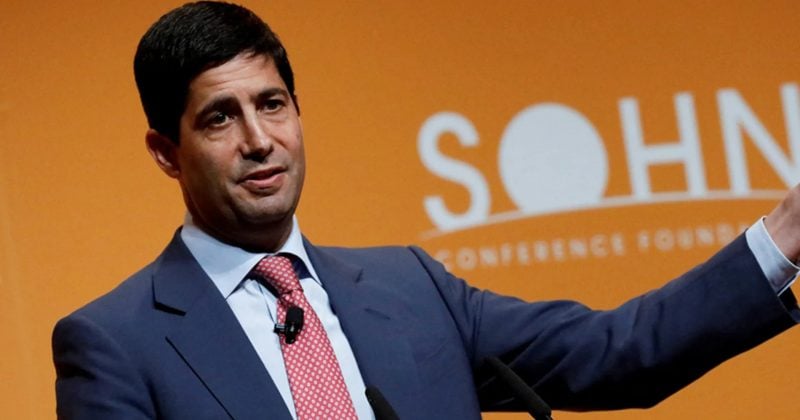
The Federal Reserve held its ground on interest rates this week, but the language coming out of the building was anything but neutral. New Fed Chair Kevin Warsh used his first FOMC meeting to deliver a clear message: inflation is still too high, and the central bank isn’t going to blink.

Bitcoin apparently liked what it heard. BTC surged past $60,000 following Warsh’s remarks.

What the Fed actually did

The FOMC voted unanimously, 12–0, to keep the federal funds rate target range at 3.5%–3.75% at its June 17 meeting. The Committee raised its expected end-2026 federal funds rate to 3.8%, up from the 3.4% projection it published in March. The PCE inflation forecast for end-2026 was also bumped up to 3.6%. For context, the Fed’s target is 2%.

Advertisement

May’s Consumer Price Index came in at 4.2% year-over-year, the highest reading in three years. Some of that heat traces back to energy supply disruptions stemming from the Middle East, but Warsh made it clear the source of the inflation matters less than the fact that it exists.

“The Committee will deliver price stability.”

Fitch Ratings characterized the shift as moving from “patience to preemption.”

Why Bitcoin rallied on hawkish language

Conventional wisdom says hawkish Fed signals should hurt risk assets. Higher rates mean tighter liquidity, which generally makes speculative bets less attractive. And yet Bitcoin jumped past $60,000. The explanation lies in what Warsh said about the direction of inflation risk, not just its current level. While CPI remains elevated at 4.2%, Warsh acknowledged signs that inflation risks were easing.

The bigger picture for crypto investors

The updated projections paint a picture of an economy that’s running hotter than the Fed wants. The 3.8% end-of-year rate projection suggests maybe one more hike is on the table, depending on how inflation data evolves over the summer.

The key variable to watch is the gap between actual inflation and the Fed’s forecasts. Right now, CPI at 4.2% is running above the PCE projection of 3.6% for year-end.

The unanimous vote signals internal cohesion at the Fed under Warsh’s new leadership. Liquidity conditions remain a key input for digital asset valuations. The Fed holding rates steady preserves the current liquidity environment, but the upward revision in rate projections from 3.4% to 3.8% means the ceiling on that liquidity is lower than previously thought.

The transition from patience to preemption, as Fitch described it, also carries implications for the broader regulatory and monetary landscape around crypto. A Fed that’s actively managing inflation expectations tends to create tighter financial conditions even without moving rates. That ripples through lending markets, stablecoin yields, and DeFi protocols that depend on rate arbitrage between traditional and decentralized finance.

Disclosure: This article was edited by Editorial Team. For more information on how we create and review content, see our Editorial Policy.

Federal Reserve holds rates steady as Bitcoin jumps past $60K on Warsh’s inflation comments

Federal Reserve holds rates steady as Bitcoin jumps past $60K on Warsh’s inflation comments

The FOMC's first meeting under new Chair Kevin Warsh kept the federal funds rate at 3.5%–3.75% while signaling a more aggressive stance on price stability

The Federal Reserve held its ground on interest rates this week, but the language coming out of the building was anything but neutral. New Fed Chair Kevin Warsh used his first FOMC meeting to deliver a clear message: inflation is still too high, and the central bank isn’t going to blink.

Bitcoin apparently liked what it heard. BTC surged past $60,000 following Warsh’s remarks.

What the Fed actually did

The FOMC voted unanimously, 12–0, to keep the federal funds rate target range at 3.5%–3.75% at its June 17 meeting. The Committee raised its expected end-2026 federal funds rate to 3.8%, up from the 3.4% projection it published in March. The PCE inflation forecast for end-2026 was also bumped up to 3.6%. For context, the Fed’s target is 2%.

Advertisement

May’s Consumer Price Index came in at 4.2% year-over-year, the highest reading in three years. Some of that heat traces back to energy supply disruptions stemming from the Middle East, but Warsh made it clear the source of the inflation matters less than the fact that it exists.

“The Committee will deliver price stability.”

Fitch Ratings characterized the shift as moving from “patience to preemption.”

Why Bitcoin rallied on hawkish language

Conventional wisdom says hawkish Fed signals should hurt risk assets. Higher rates mean tighter liquidity, which generally makes speculative bets less attractive. And yet Bitcoin jumped past $60,000. The explanation lies in what Warsh said about the direction of inflation risk, not just its current level. While CPI remains elevated at 4.2%, Warsh acknowledged signs that inflation risks were easing.

The bigger picture for crypto investors

The updated projections paint a picture of an economy that’s running hotter than the Fed wants. The 3.8% end-of-year rate projection suggests maybe one more hike is on the table, depending on how inflation data evolves over the summer.

The key variable to watch is the gap between actual inflation and the Fed’s forecasts. Right now, CPI at 4.2% is running above the PCE projection of 3.6% for year-end.

The unanimous vote signals internal cohesion at the Fed under Warsh’s new leadership. Liquidity conditions remain a key input for digital asset valuations. The Fed holding rates steady preserves the current liquidity environment, but the upward revision in rate projections from 3.4% to 3.8% means the ceiling on that liquidity is lower than previously thought.

The transition from patience to preemption, as Fitch described it, also carries implications for the broader regulatory and monetary landscape around crypto. A Fed that’s actively managing inflation expectations tends to create tighter financial conditions even without moving rates. That ripples through lending markets, stablecoin yields, and DeFi protocols that depend on rate arbitrage between traditional and decentralized finance.

Disclosure: This article was edited by Editorial Team. For more information on how we create and review content, see our Editorial Policy.