
Federal Reserve forms task force to review $6.7T balance sheet under new Chair Warsh

Federal Reserve forms task force to review $6.7T balance sheet under new Chair Warsh

Kevin Warsh's first FOMC meeting signals a potential overhaul of how the Fed manages its massive portfolio and communicates with markets

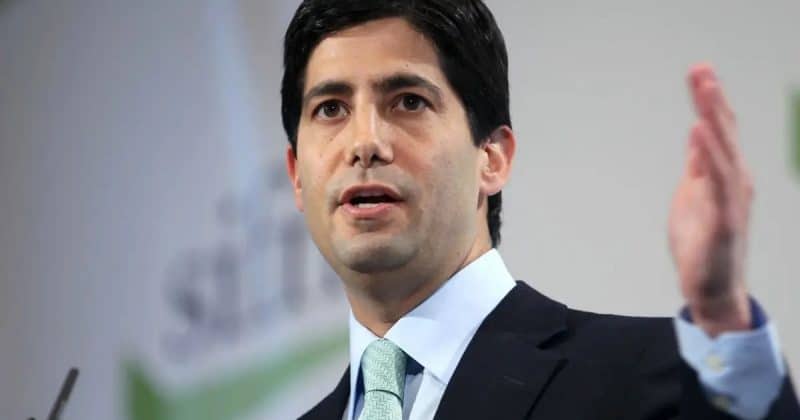
Kevin Warsh wasted exactly zero time. At his first FOMC meeting as Federal Reserve Chair on June 17, 2026, Warsh announced the creation of five internal task forces to review core components of the Fed’s monetary policy operations. The headline initiative: a deep examination of the Fed’s $6.7 trillion balance sheet.

Warsh, confirmed as Fed Chair in May 2026, has long been one of the most vocal critics of the central bank’s balance sheet expansion. He previously served as a Fed governor from 2006 to 2011, giving him a front-row seat to the early days of quantitative easing. His take on what followed has been consistent and pointed: the Fed’s swollen portfolio distorts markets and disproportionately benefits large financial asset holders over average households and small businesses.

Advertisement

The five task forces will review the Fed’s operations across multiple dimensions, including the balance sheet and the inflation framework. Reports are expected by the end of the year.

The $6.7 trillion figure is already significantly smaller than the nearly $9 trillion peak the balance sheet hit in 2022. The Fed has been running quantitative tightening, essentially letting bonds mature off its books without replacing them, for years now. But Warsh appears to believe the pace hasn’t been aggressive enough.

Expectations surrounding Warsh’s leadership suggest a broader shift in how the Fed communicates with markets. Under Warsh, analysts expect fewer policy announcements and reduced forward guidance in the Fed’s public communications.

The task forces are set to conclude their work by year-end, meaning any policy changes stemming from their recommendations would likely take effect in early 2027 at the earliest.

Disclosure: This article was edited by Editorial Team. For more information on how we create and review content, see our Editorial Policy.

Federal Reserve forms task force to review $6.7T balance sheet under new Chair Warsh

Federal Reserve forms task force to review $6.7T balance sheet under new Chair Warsh

Kevin Warsh's first FOMC meeting signals a potential overhaul of how the Fed manages its massive portfolio and communicates with markets

Kevin Warsh wasted exactly zero time. At his first FOMC meeting as Federal Reserve Chair on June 17, 2026, Warsh announced the creation of five internal task forces to review core components of the Fed’s monetary policy operations. The headline initiative: a deep examination of the Fed’s $6.7 trillion balance sheet.

Warsh, confirmed as Fed Chair in May 2026, has long been one of the most vocal critics of the central bank’s balance sheet expansion. He previously served as a Fed governor from 2006 to 2011, giving him a front-row seat to the early days of quantitative easing. His take on what followed has been consistent and pointed: the Fed’s swollen portfolio distorts markets and disproportionately benefits large financial asset holders over average households and small businesses.

Advertisement

The five task forces will review the Fed’s operations across multiple dimensions, including the balance sheet and the inflation framework. Reports are expected by the end of the year.

The $6.7 trillion figure is already significantly smaller than the nearly $9 trillion peak the balance sheet hit in 2022. The Fed has been running quantitative tightening, essentially letting bonds mature off its books without replacing them, for years now. But Warsh appears to believe the pace hasn’t been aggressive enough.

Expectations surrounding Warsh’s leadership suggest a broader shift in how the Fed communicates with markets. Under Warsh, analysts expect fewer policy announcements and reduced forward guidance in the Fed’s public communications.

The task forces are set to conclude their work by year-end, meaning any policy changes stemming from their recommendations would likely take effect in early 2027 at the earliest.

Disclosure: This article was edited by Editorial Team. For more information on how we create and review content, see our Editorial Policy.