
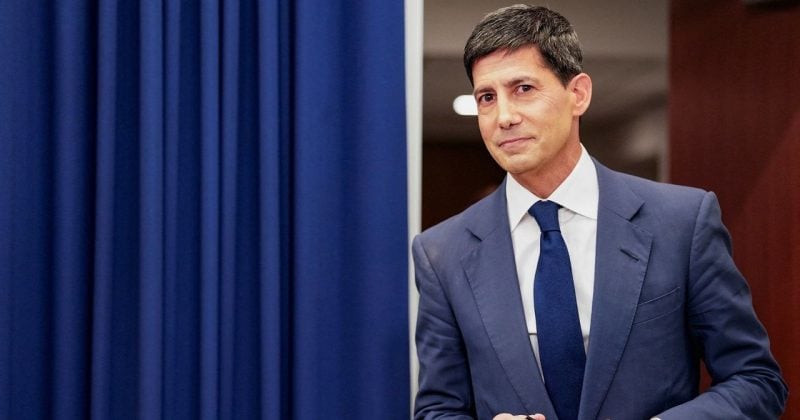
Federal Reserve outlines leadership and goals for new task forces under Chair Warsh

Federal Reserve outlines leadership and goals for new task forces under Chair Warsh

Five external task forces will review everything from the Fed's $6.7 trillion balance sheet to its inflation framework, with crypto markets watching closely for signals on future liquidity

The Federal Reserve just launched its most ambitious internal review in years. Under newly confirmed Chair Kevin Warsh, the central bank announced five external task forces designed to scrutinize and potentially reshape how it conducts monetary policy.

The initiative was unveiled during Warsh’s first Federal Open Market Committee meeting on June 17, 2026.

What the task forces will actually do

The five task forces will examine core elements of the Fed’s operations, from how it communicates with markets to its inflation framework, employment statistics methodology, and the ever-controversial balance sheet.

That balance sheet currently sits at roughly $6.7 trillion. Critics have long argued that a balance sheet this size distorts asset prices across every market.

Advertisement

Each task force will include external experts, some from international institutions, with Fed staff providing support. Initial findings are expected by fall 2026, with comprehensive reports targeted for completion by year-end.

No actual policy changes are expected before early 2027. The Fed reiterated its commitment to the 2% inflation target during the announcement.

Warsh’s vision and the Powell transition

Warsh succeeded Jerome Powell after being appointed in May 2026. Warsh served on the Fed’s Board of Governors from 2006 to 2011, a period that included the global financial crisis.

The decision to bring in external reviewers is notable. During Powell’s tenure, the Fed conducted its own internal framework review, which concluded in 2020 with the adoption of average inflation targeting. That approach came under intense criticism when inflation subsequently surged past 9%.

Leadership details for the individual task forces haven’t been disclosed yet.

Why crypto markets should pay attention

The Fed’s balance sheet expansion during 2020 and 2021 was one of the primary catalysts for the crypto bull market that pushed Bitcoin past previous all-time highs.

A task force recommending faster balance sheet reduction, or a restructured approach to quantitative tightening, could meaningfully alter the liquidity environment. Conversely, if the review concludes that the current balance sheet trajectory is appropriate, or that the Fed should slow its runoff, that would be a tailwind for risk assets including Bitcoin and the broader crypto market.

If Warsh’s task force recommends abandoning average inflation targeting in favor of a more traditional approach, the Fed could become more aggressive in responding to inflation spikes. The 2% target itself appears safe for now, as the Fed explicitly reaffirmed it during the June announcement.

Traders should mark fall 2026 on their calendars. When those initial findings drop, markets will parse every sentence for clues about the direction of future policy. The actual policy changes may not arrive until early 2027.

Disclosure: This article was edited by Editorial Team. For more information on how we create and review content, see our Editorial Policy.

Federal Reserve outlines leadership and goals for new task forces under Chair Warsh

Federal Reserve outlines leadership and goals for new task forces under Chair Warsh

Five external task forces will review everything from the Fed's $6.7 trillion balance sheet to its inflation framework, with crypto markets watching closely for signals on future liquidity

The Federal Reserve just launched its most ambitious internal review in years. Under newly confirmed Chair Kevin Warsh, the central bank announced five external task forces designed to scrutinize and potentially reshape how it conducts monetary policy.

The initiative was unveiled during Warsh’s first Federal Open Market Committee meeting on June 17, 2026.

What the task forces will actually do

The five task forces will examine core elements of the Fed’s operations, from how it communicates with markets to its inflation framework, employment statistics methodology, and the ever-controversial balance sheet.

That balance sheet currently sits at roughly $6.7 trillion. Critics have long argued that a balance sheet this size distorts asset prices across every market.

Advertisement

Each task force will include external experts, some from international institutions, with Fed staff providing support. Initial findings are expected by fall 2026, with comprehensive reports targeted for completion by year-end.

No actual policy changes are expected before early 2027. The Fed reiterated its commitment to the 2% inflation target during the announcement.

Warsh’s vision and the Powell transition

Warsh succeeded Jerome Powell after being appointed in May 2026. Warsh served on the Fed’s Board of Governors from 2006 to 2011, a period that included the global financial crisis.

The decision to bring in external reviewers is notable. During Powell’s tenure, the Fed conducted its own internal framework review, which concluded in 2020 with the adoption of average inflation targeting. That approach came under intense criticism when inflation subsequently surged past 9%.

Leadership details for the individual task forces haven’t been disclosed yet.

Why crypto markets should pay attention

The Fed’s balance sheet expansion during 2020 and 2021 was one of the primary catalysts for the crypto bull market that pushed Bitcoin past previous all-time highs.

A task force recommending faster balance sheet reduction, or a restructured approach to quantitative tightening, could meaningfully alter the liquidity environment. Conversely, if the review concludes that the current balance sheet trajectory is appropriate, or that the Fed should slow its runoff, that would be a tailwind for risk assets including Bitcoin and the broader crypto market.

If Warsh’s task force recommends abandoning average inflation targeting in favor of a more traditional approach, the Fed could become more aggressive in responding to inflation spikes. The 2% target itself appears safe for now, as the Fed explicitly reaffirmed it during the June announcement.

Traders should mark fall 2026 on their calendars. When those initial findings drop, markets will parse every sentence for clues about the direction of future policy. The actual policy changes may not arrive until early 2027.

Disclosure: This article was edited by Editorial Team. For more information on how we create and review content, see our Editorial Policy.