
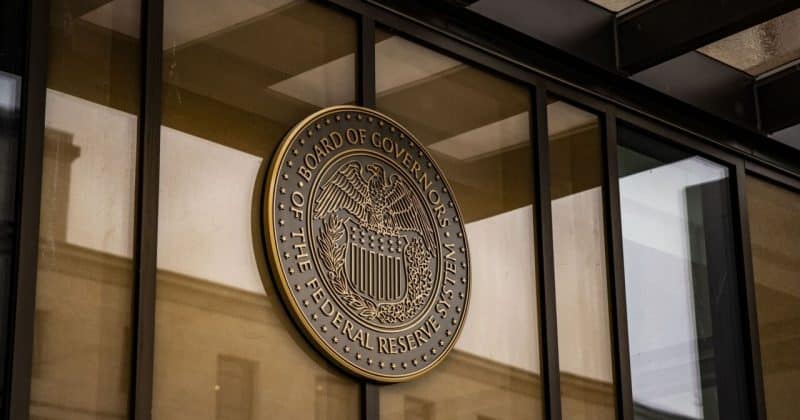
Federal Reserve terminates enforcement action against Jiko Group, clearing path for crypto-banking hybrid
The Fed's decision to lift a cease-and-desist order against the fintech bank holding company removes a regulatory cloud that had hung over one of crypto's most unusual banking experiments.
The Federal Reserve Board has officially terminated its enforcement action against Jiko Group, Inc., ending a consent cease-and-desist order that was imposed on the San Francisco-based bank holding company in July 2024. The order had required Jiko to address significant deficiencies in its financial condition, and the Fed’s decision to lift it signals that the company has satisfied those requirements.
Jiko operates at the intersection of traditional Treasury markets and crypto infrastructure, running a platform that provides 24/7 USD settlement for institutional clients using T-bill-backed accounts. The company acquired Mid-Central National Bank in September 2020, making it one of the first fintech firms to hold a national bank charter.
From enforcement to all-clear
The original cease-and-desist order, effective July 16, 2024, mandated that Jiko cease certain practices and take corrective action to shore up its financial condition.
The company’s core product wraps Treasury bills into accounts that settle around the clock, generating yield while remaining liquid. The JikoNet Crypto platform extends this capability directly into digital asset markets, allowing institutional clients to participate in cryptocurrency trading with the backing of T-bill collateral.
The news moving money, markets, and the world—before your day starts.
Daily. Free. Join 34,000+ readers across crypto, finance, and policy.
Strategic backing from crypto heavyweights
In October 2025, the company announced strategic investments from Coinbase and Blockstream Capital Partners, alongside partnerships with Crypto.com and Bitso. Bitso is the dominant crypto exchange in Mexico and has significant operations across Latin America. The timing of these relationships matters: they were announced while Jiko was still operating under the Fed’s enforcement action, which means these partners were willing to commit capital and brand association to a company with an active regulatory issue.
What this means for investors and the market
Companies like Circle, which has pursued its own banking relationships, and Paxos, which holds a conditional national trust charter, are working adjacent territory. But none of them hold a full national bank charter acquired through the purchase of an existing institution. That structural advantage gives Jiko direct access to Federal Reserve services that competitors access only indirectly.
The July 2024 enforcement action demonstrated that Jiko isn’t immune to the capital requirements, examinations, and compliance costs that can strain a growth-stage company operating under a national charter.