
Nexo Earn with Nexo
Federal prosecutors investigate major banks over customer terminations tied to political motives

Federal prosecutors investigate major banks over customer terminations tied to political motives

U.S. Attorney Jeanine Pirro's office is probing whether Wall Street giants illegally dropped customers for their political affiliations or business sectors, with digital asset firms squarely in the crosshairs.

The federal government is turning the screws on some of the biggest names in banking. Prosecutors are now investigating whether major Wall Street lenders broke the law by terminating customer relationships based on political motivations, a practice that crypto firms have been complaining about for years.

U.S. Attorney for the District of Columbia Jeanine Pirro is leading the inquiry, which centers on potential violations of the Equal Credit Opportunity Act. The investigation follows a broader push by the Trump administration to crack down on what it views as politically driven debanking.

The executive order that kicked things off

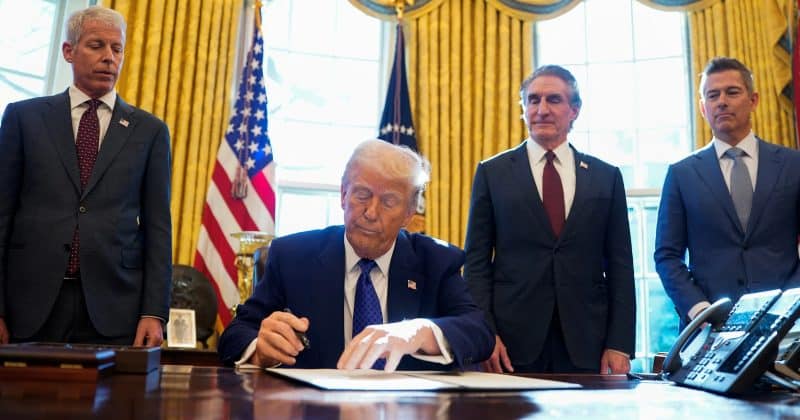
President Trump signed an Executive Order on August 7, 2025, directing federal banking regulators to scrutinize whether banks have been engaging in politically motivated or unlawful debanking. The order mandates corrective measures, which could include fines, consent decrees, or referrals to the Department of Justice for serious violations.

Advertisement

The Office of the Comptroller of the Currency followed through on December 10, 2025, releasing preliminary findings from a review of nine major national banks. The institutions under scrutiny include JPMorgan Chase, Bank of America, and Citibank.

The OCC’s review covered debanking activities spanning from 2020 to 2025.

Digital assets at the center of the storm

The OCC’s findings identified digital asset activities, including issuers, exchanges, and administrators, as a sector that faced restricted access or heightened scrutiny at these banks. Banks typically justified these decisions by citing anti-money laundering concerns, financial crime risks, or reputational considerations.

Digital assets weren’t the only sector caught in the crossfire. The OCC review also identified restrictions affecting oil and gas companies, firearms dealers, coal businesses, adult entertainment, and political organizations.

The historical parallel here is Operation Choke Point, a DOJ initiative during the Obama administration that pressured banks to cut ties with legal but politically disfavored businesses like payday lenders and gun shops. That program was officially ended in 2017, but many in the crypto industry argue that its spirit lived on through informal regulatory pressure, earning the nickname “Choke Point 2.0.”

What this means for crypto and digital asset firms

If Pirro’s investigation identifies and penalizes discriminatory practices at major banks, it could reshape the banking landscape for digital asset businesses. Banks that have reflexively rejected crypto clients might be forced to develop more evidence-based risk frameworks rather than blanket sector bans.

The enforcement tools matter too. Fines and consent decrees are one thing, but the real leverage comes from the threat of DOJ referrals. If prosecutors can establish that banks knowingly violated the Equal Credit Opportunity Act by using political considerations to deny services, the consequences could extend into criminal liability for compliance officers and executives who approved these policies.

Disclosure: This article was edited by Editorial Team. For more information on how we create and review content, see our Editorial Policy.

Federal prosecutors investigate major banks over customer terminations tied to political motives

Federal prosecutors investigate major banks over customer terminations tied to political motives

U.S. Attorney Jeanine Pirro's office is probing whether Wall Street giants illegally dropped customers for their political affiliations or business sectors, with digital asset firms squarely in the crosshairs.

The federal government is turning the screws on some of the biggest names in banking. Prosecutors are now investigating whether major Wall Street lenders broke the law by terminating customer relationships based on political motivations, a practice that crypto firms have been complaining about for years.

U.S. Attorney for the District of Columbia Jeanine Pirro is leading the inquiry, which centers on potential violations of the Equal Credit Opportunity Act. The investigation follows a broader push by the Trump administration to crack down on what it views as politically driven debanking.

The executive order that kicked things off

President Trump signed an Executive Order on August 7, 2025, directing federal banking regulators to scrutinize whether banks have been engaging in politically motivated or unlawful debanking. The order mandates corrective measures, which could include fines, consent decrees, or referrals to the Department of Justice for serious violations.

Advertisement

The Office of the Comptroller of the Currency followed through on December 10, 2025, releasing preliminary findings from a review of nine major national banks. The institutions under scrutiny include JPMorgan Chase, Bank of America, and Citibank.

The OCC’s review covered debanking activities spanning from 2020 to 2025.

Digital assets at the center of the storm

The OCC’s findings identified digital asset activities, including issuers, exchanges, and administrators, as a sector that faced restricted access or heightened scrutiny at these banks. Banks typically justified these decisions by citing anti-money laundering concerns, financial crime risks, or reputational considerations.

Digital assets weren’t the only sector caught in the crossfire. The OCC review also identified restrictions affecting oil and gas companies, firearms dealers, coal businesses, adult entertainment, and political organizations.

The historical parallel here is Operation Choke Point, a DOJ initiative during the Obama administration that pressured banks to cut ties with legal but politically disfavored businesses like payday lenders and gun shops. That program was officially ended in 2017, but many in the crypto industry argue that its spirit lived on through informal regulatory pressure, earning the nickname “Choke Point 2.0.”

What this means for crypto and digital asset firms

If Pirro’s investigation identifies and penalizes discriminatory practices at major banks, it could reshape the banking landscape for digital asset businesses. Banks that have reflexively rejected crypto clients might be forced to develop more evidence-based risk frameworks rather than blanket sector bans.

The enforcement tools matter too. Fines and consent decrees are one thing, but the real leverage comes from the threat of DOJ referrals. If prosecutors can establish that banks knowingly violated the Equal Credit Opportunity Act by using political considerations to deny services, the consequences could extend into criminal liability for compliance officers and executives who approved these policies.

Disclosure: This article was edited by Editorial Team. For more information on how we create and review content, see our Editorial Policy.