
FERC set to issue guidance on data center grid connections by end of June

FERC set to issue guidance on data center grid connections by end of June

The federal energy regulator plans to streamline how large data centers, including those powering AI workloads, connect to the US power grid.

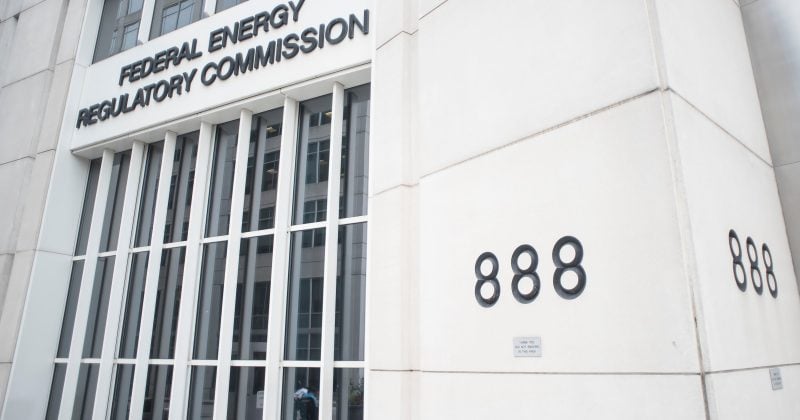
The Federal Energy Regulatory Commission is moving to untangle one of the biggest bottlenecks facing the AI boom: actually plugging data centers into the electrical grid. FERC announced on April 16 that it plans to take decisive action on Docket No. RM26-4-000 by the end of June 2026, a timeline that signals unusual urgency for a federal regulator not exactly known for its speed.

The docket targets interconnection reform for large electricity loads, specifically facilities drawing more than 20 megawatts.

What’s actually changing

The reforms trace back to an Advance Notice of Proposed Rulemaking that the US Department of Energy initiated on October 23, 2025, under Secretary Chris Wright. That ANOPR laid out several strategies for getting power-hungry facilities online faster, including co-location with generation sites, expedited study processes, and shifting interconnection costs more directly onto the entities requesting the connection.

Advertisement

FERC had already tipped its hand on this approach back on December 18, 2025, when it issued an order directing PJM Interconnection to develop new rules supporting exactly this kind of arrangement. PJM is the largest grid operator in the US, managing the transmission system across 13 states and the District of Columbia. The December order mandated three new transmission service options specifically designed for data centers co-located with power generation facilities.

The commission has described its intended approach as “quick, efficient and legally durable.”

The Southwest Power Pool, another major regional transmission organization, already received FERC approval for its High Impact Large Load framework. That framework creates an integrated process for handling large load-generation connections.

Why data centers can’t wait

The 20 MW threshold that defines “large loads” under this rulemaking is relatively modest by modern data center standards. A single hyperscale AI training facility can draw hundreds of megawatts.

Co-location offers a workaround. By pairing data centers directly with generation sources, the load bypasses much of the congested transmission system entirely. The December PJM order was FERC’s first major attempt to formalize this arrangement, and the June action on Docket No. RM26-4-000 looks set to expand it into a broader national framework.

A June 18, 2026 agenda meeting could provide additional clarity on the specific regulatory proposals under consideration.

What this means for the energy and tech landscape

By pushing interconnection expenses more directly onto the requesting entities rather than socializing them across all ratepayers, FERC is essentially saying: if you want priority access, you pay for it.

Disclosure: This article was edited by Editorial Team. For more information on how we create and review content, see our Editorial Policy.

FERC set to issue guidance on data center grid connections by end of June

FERC set to issue guidance on data center grid connections by end of June

The federal energy regulator plans to streamline how large data centers, including those powering AI workloads, connect to the US power grid.

The Federal Energy Regulatory Commission is moving to untangle one of the biggest bottlenecks facing the AI boom: actually plugging data centers into the electrical grid. FERC announced on April 16 that it plans to take decisive action on Docket No. RM26-4-000 by the end of June 2026, a timeline that signals unusual urgency for a federal regulator not exactly known for its speed.

The docket targets interconnection reform for large electricity loads, specifically facilities drawing more than 20 megawatts.

What’s actually changing

The reforms trace back to an Advance Notice of Proposed Rulemaking that the US Department of Energy initiated on October 23, 2025, under Secretary Chris Wright. That ANOPR laid out several strategies for getting power-hungry facilities online faster, including co-location with generation sites, expedited study processes, and shifting interconnection costs more directly onto the entities requesting the connection.

Advertisement

FERC had already tipped its hand on this approach back on December 18, 2025, when it issued an order directing PJM Interconnection to develop new rules supporting exactly this kind of arrangement. PJM is the largest grid operator in the US, managing the transmission system across 13 states and the District of Columbia. The December order mandated three new transmission service options specifically designed for data centers co-located with power generation facilities.

The commission has described its intended approach as “quick, efficient and legally durable.”

The Southwest Power Pool, another major regional transmission organization, already received FERC approval for its High Impact Large Load framework. That framework creates an integrated process for handling large load-generation connections.

Why data centers can’t wait

The 20 MW threshold that defines “large loads” under this rulemaking is relatively modest by modern data center standards. A single hyperscale AI training facility can draw hundreds of megawatts.

Co-location offers a workaround. By pairing data centers directly with generation sources, the load bypasses much of the congested transmission system entirely. The December PJM order was FERC’s first major attempt to formalize this arrangement, and the June action on Docket No. RM26-4-000 looks set to expand it into a broader national framework.

A June 18, 2026 agenda meeting could provide additional clarity on the specific regulatory proposals under consideration.

What this means for the energy and tech landscape

By pushing interconnection expenses more directly onto the requesting entities rather than socializing them across all ratepayers, FERC is essentially saying: if you want priority access, you pay for it.

Disclosure: This article was edited by Editorial Team. For more information on how we create and review content, see our Editorial Policy.