
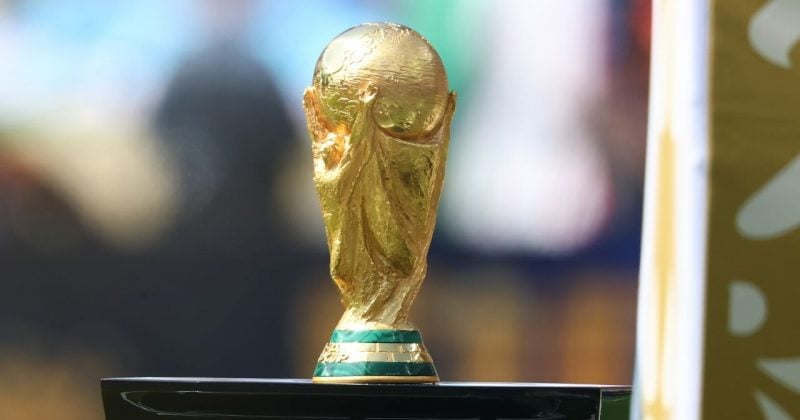
Via cnn.com
FIFA’s World Cup rights sale plan unravels as key adviser quits and federations revolt
Gianni Infantino's $4.2 billion commercialization scheme faces mounting opposition that could reshape how global sports intersect with private capital
FIFA President Gianni Infantino wanted to sell a piece of the World Cup to private investors for $4.2 billion. The World Cup, in turn, appears to be selling him out.
A key adviser has resigned and a growing coalition of member federations, led by UEFA, is pushing back hard against Infantino’s plan to commercialize the tournament through a new subsidiary called FIFA Forward Enterprise. The proposal, announced on July 29, would offer a 20% equity stake in a new entity responsible for managing broadcast rights, sponsorship deals, and ticketing.
The money, and the strings attached
Here’s the pitch Infantino made to FIFA’s 211 member associations: approve the plan, and each federation gets an upfront payment of $20 million. That’s followed by annual payouts of $20 million to $24 million from 2027 through 2038.
The lead investor positioned to take that 20% minority stake is Thrive Eternal, a firm led by Joshua Kushner. The total capital raise would hit $4.2 billion, funneled into an entity that would effectively control the commercial engine of global soccer’s crown jewel.
UEFA has been the most vocal critic, publicly warning that the plan risks creating a fundamental rift in global soccer governance.
Internal fractures and the adviser exodus
The resignation of a key adviser has added a layer of institutional crisis to what was already a contentious proposal. Multiple federations have signaled opposition. Infantino has historically maintained support by channeling money to smaller federations that depend on FIFA funding. The FFE proposal doubles down on that strategy, essentially offering $20 million per federation as a sweetener. But even some of the usual allies appear uncomfortable with the scope of what’s being proposed.
FIFA’s member associations have traditionally maintained collective oversight of World Cup commercial rights. Outsourcing that to a private entity, even one where FIFA retains an 80% stake, introduces a new class of stakeholders whose interests may not align with the sport’s broader community.
The decisive votes among member associations haven’t happened yet. Infantino has survived challenges before by leveraging FIFA’s one-country, one-vote structure, where Liechtenstein carries the same weight as Brazil. But the combination of internal resignations, UEFA’s organized opposition, and growing concerns about private capital’s role in sport governance suggests this fight is different.