
FIFA eyes Qatar for 2029 Club World Cup winter edition, and sports tokenization could be the real winner
A potential 48-team winter tournament in Qatar raises scheduling chaos for European leagues while spotlighting the growing intersection of sports mega-events and digital finance.
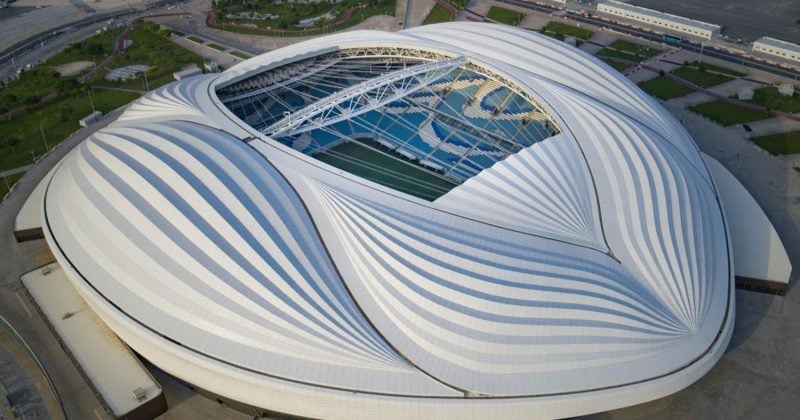
FIFA is in active discussions with Qatar about hosting the 2029 Club World Cup during the winter months, a move that would expand the tournament to 48 teams and lean on the infrastructure Qatar built for the 2022 World Cup.
The talks, which gained traction as of July 2026, represent a reversal from FIFA’s earlier position. The governing body initially rejected Qatar’s winter proposal in 2025, opting instead for a summer edition hosted outside the Gulf state.
The money game behind the beautiful game
The 2025 Club World Cup, held in the United States, featured a total prize pool of $1 billion. Top-performing clubs earned north of $50 million just for advancing through the knockout stages.
Manchester City pulled in significant revenue from their participation in the 2025 edition alone. Scale that up to 48 teams, from the current 32-team format, and you’re looking at a tournament that could rival some national GDPs in total economic output.
Winter is coming, and so are scheduling headaches
Moving a major football tournament to December creates significant logistical challenges. European domestic leagues typically run their winter breaks during December and January. Pulling marquee players from clubs like Real Madrid, Bayern Munich, and Liverpool for a month-long tournament in the middle of the season is the kind of decision that makes club owners reach for their lawyers.
The news moving money, markets, and the world—before your day starts.
Daily. Free. Join 34,000+ readers across crypto, finance, and policy.
Qatar’s argument centers on practicality. December temperatures in the Gulf state are far more manageable than summer heat, which is exactly why the 2022 World Cup was moved to November-December in the first place. The clustered venue model, where all stadiums sit within a relatively small radius, also supports FIFA’s sustainability messaging.
Mexico has also thrown its hat in the ring as a potential host, and the United States remains in conversations about staging the event.
What this means for digital asset investors
Investors watching this space should monitor two things: whether FIFA formalizes the Qatar bid, which would lock in a December timeline and force European leagues to adapt, and whether the expanded 48-team format creates enough financial pressure on mid-tier clubs to explore alternative revenue streams like tokenization. The clubs earning $50 million in prize money won’t need to innovate. The ones that don’t make the cut, or barely scrape in, are the ones most likely to turn to digital assets as a financial lifeline.