
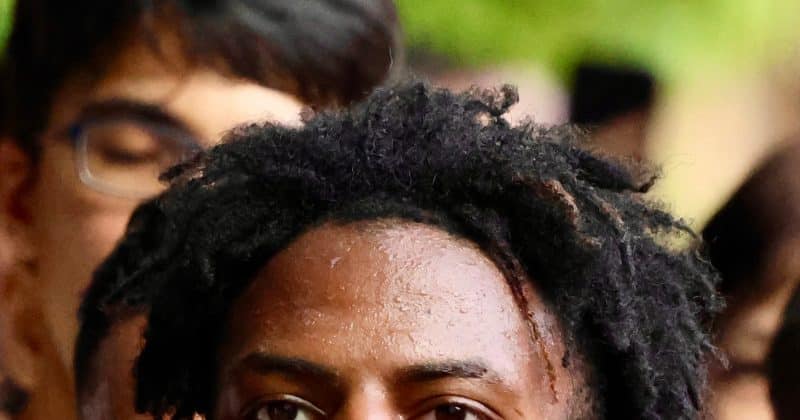
FIFA investigates racism incident involving YouTuber Speed at World Cup match in Miami
The governing body opened a formal probe after IShowSpeed was allegedly subjected to racist abuse from Argentina supporters during a round-of-32 match, reigniting a familiar debate about fan conduct at major sporting events.
FIFA confirmed on July 7 that it has launched an investigation into alleged racist abuse directed at American YouTuber and streamer IShowSpeed during the World Cup 2026 round-of-32 match between Argentina and Cape Verde. The incident, which unfolded in real time on a livestream watched by millions, has put the governing body’s “zero tolerance” policy on discrimination back under the microscope.
Darren Watkins Jr., the 21-year-old content creator better known as IShowSpeed, was in the stands at Hard Rock Stadium in Miami on July 3, wearing a Cape Verde jersey during Argentina’s 3-2 victory. According to footage captured on his livestream, some Argentina supporters in the crowd allegedly directed derogatory comments at him, including the phrase “go cry to the zoo” and what appeared to be use of the N-word.
What FIFA said, and what it hasn’t done yet
FIFA’s statement four days after the match emphasized its “strong stance against racism and discrimination within the sport.” As of July 7, no arrests have been made. No formal disciplinary measures have been announced against any individuals or the Argentine Football Association.
The livestream factor changes the equation
What makes this incident different from countless prior racism episodes in football is the medium through which it was documented. IShowSpeed’s livestream provided real-time, unedited footage of the alleged abuse, creating a record that is both harder to dispute and easier to virally distribute than traditional stadium footage or witness testimony.
The news moving money, markets, and the world—before your day starts.
Daily. Free. Join 34,000+ readers across crypto, finance, and policy.
The viral response was swift. Discourse about fan behavior, racism in football, and the responsibilities of tournament organizers dominated social media for days. For FIFA, which has invested heavily in positioning the 2026 World Cup as a celebration of diversity and inclusion across its North American host cities, the optics are particularly inconvenient.
Why this matters beyond the pitch
The 2026 World Cup is the first to be held across three countries: the US, Mexico, and Canada. It’s the largest edition of the tournament ever staged, with 48 teams competing for the first time.
The Argentina-Cape Verde match itself was a compelling contest, with the South American giants needing all three of their goals to survive against a Cape Verde side making history simply by reaching the knockout rounds. That sporting storyline has been almost entirely overshadowed by what happened in the stands.