
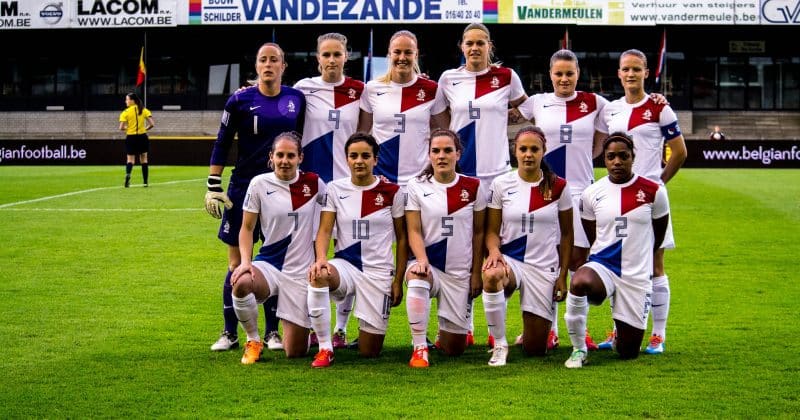
FIFA faces scrutiny over racist abuse of Black Dutch players at World Cup 2026
Tens of thousands of abusive posts identified as governing bodies struggle to protect players from online racial attacks during the tournament
Three Black Dutch players missed penalties against Morocco in a World Cup knockout match. What followed was a torrent of racist abuse so severe that all three shut down their social media accounts.
Justin Kluivert, Quinten Timber, and Crysencio Summerville became targets of coordinated online hate after the Netherlands lost 3-2 on penalties to Morocco in the round of 32 on June 29. The match itself ended 1-1 after extra time.
The scale of the problem
FIFA’s Social Media Protection Service, known as SMPS, scanned over six million social media posts during the tournament. The findings were grim: tens of thousands of posts were flagged as abusive, and more than 100 crossed the threshold for potential legal action.
The Royal Dutch Football Association, or KNVB, called the abuse “appalling” in statements released on June 30 and July 1. The organization said it would report the incidents to Dutch authorities, including Meld Online Discriminatie, a platform dedicated to tracking online discrimination in the Netherlands.
The affected players disabled comments on their social media accounts entirely, essentially retreating from public digital life to escape the harassment.
FIFA’s monitoring gap
A Mediapart special report has put additional pressure on the governing body, documenting not only the racist abuse directed at the Dutch squad but also the far-right exploitation of the French national team. The report paints a picture of a tournament where racial fault lines are being weaponized by political actors who see international football as fertile ground for identity-based provocation.
The news moving money, markets, and the world—before your day starts.
Daily. Free. Join 34,000+ readers across crypto, finance, and policy.
The KNVB emphasized football’s commitment to inclusivity in its public statements, but its response amounted to condemning the abuse after it happened and promising to file reports with the relevant authorities.
The turbulence extended beyond the racism scandal. Netherlands manager Ronald Koeman resigned shortly after the team’s exit from the tournament, adding organizational chaos to what was already a deeply troubled moment for Dutch football.
What this means for the broader landscape
The more than 100 posts flagged for potential legal action represent an interesting pressure point. If FIFA and national federations actually pursue those cases through courts in multiple jurisdictions, it could establish legal precedents that change the calculus for people who think anonymous accounts make them untouchable.
The far-right dimension highlighted in the Mediapart report adds a layer that purely sports-focused responses can’t address. When political movements deliberately amplify racial abuse around major sporting events, the problem stops being about football governance and starts being about how democracies handle organized hate speech at scale.
Investors and stakeholders in major social media platforms should pay attention to how this plays out. Every high-profile incident of this kind increases regulatory pressure on platforms to do more, particularly in the EU, where the Digital Services Act already imposes significant obligations around content moderation.