
FIFA World Cup 2026 meets crypto as Canada’s co-hosting sparks blockchain fan engagement
Kraken's FIFA partnership and a 28% CHZ token surge show how the beautiful game is becoming a blockchain catalyst
The 2026 FIFA World Cup is officially underway, and Canada’s contribution as co-host is drawing attention for two very different reasons. The first is the genuinely impressive multicultural atmosphere at venues in Vancouver and Toronto. The second, and more relevant to anyone watching their portfolio, is the increasingly tight marriage between global football and the crypto industry.
The crypto play hiding inside a soccer tournament
On June 9, 2026, FIFA announced Kraken as its Official Crypto Exchange Supporter. It’s a structured partnership designed to weave blockchain technology into how fans actually experience the tournament.
The market noticed. Chiliz’s CHZ token surged 28% around the World Cup’s opening. Meanwhile, Avalanche (AVAX) is positioned as the underlying infrastructure for FIFA’s blockchain initiatives. When FIFA builds anything on-chain for this tournament, from digital collectibles to fan interaction tools, it’s running on Avalanche’s rails.
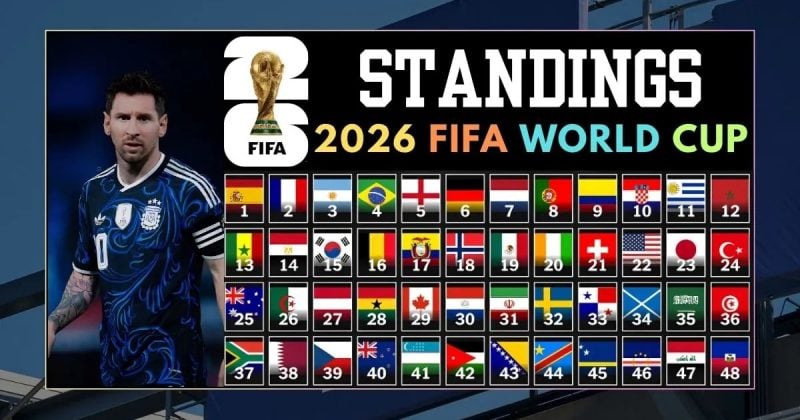
That’s two major crypto assets directly tethered to the most-watched sporting event on Earth, which now features 48 teams across 104 matches.
Why Canada’s hosting model matters beyond football
Canada is hosting 13 of the tournament’s 104 matches, split between BC Place in Vancouver and BMO Field in Toronto. More than half of Toronto’s residents were born outside of Canada, meaning a World Cup match between teams from different nations fills a Toronto stadium with fans who have actual personal stakes in the outcome.
The news moving money, markets, and the world—before your day starts.
Daily. Free. Join 34,000+ readers across crypto, finance, and policy.
Host cities started running workshops as early as 2024 to prepare for this exact scenario, focusing on fan engagement and inclusivity across cultural lines.
What this means for investors
The Kraken-FIFA partnership signals that major crypto exchanges are willing to spend serious sponsorship money on mainstream sports visibility. For CHZ holders, the 28% surge comes with a familiar caveat: fan tokens tend to spike around events and fade afterward. The question is whether this World Cup’s expanded format — 104 matches instead of the traditional 64 — creates a longer tail of engagement that sustains demand.
AVAX’s role as FIFA’s blockchain backbone is a slower-burning story. Infrastructure plays don’t generate overnight pumps, but they do build institutional credibility. If FIFA’s blockchain experiments during this tournament go smoothly, Avalanche gains a case study it can pitch to other sports leagues.
The last World Cup in 2022 coincided with a brutal bear market and the FTX collapse, which somewhat muted any positive sports-crypto correlation. This cycle looks very different, and a successful tournament integration could establish a repeatable playbook for how exchanges use live sports to onboard new users.