
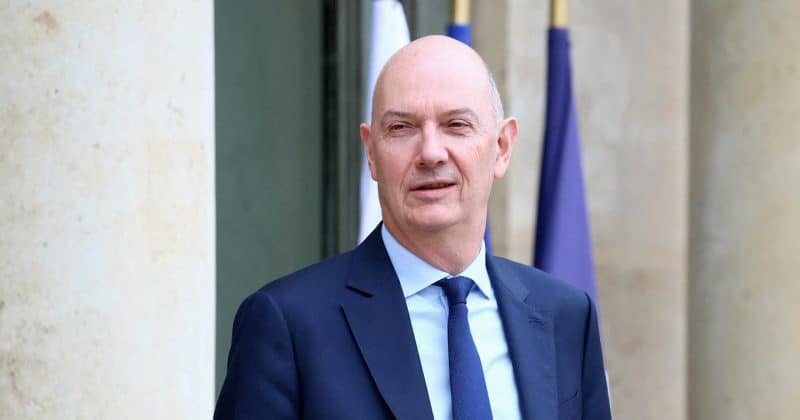
France Finance Minister Lescure warns of challenges in meeting 5% deficit target

France Finance Minister Lescure warns of challenges in meeting 5% deficit target

The fiscal tightrope act matters for European bond markets, the euro, and crypto investors watching sovereign risk signals

France’s Finance Minister Roland Lescure is publicly conceding what markets have quietly suspected for months: hitting the government’s 5% deficit-to-GDP target is going to be a grind. The admission, while diplomatically wrapped in language about “doing everything we can,” is the kind of signal that reverberates well beyond Paris.

The numbers behind the struggle

Here’s where things stand. France ran a deficit of approximately 5.8% of GDP in 2024. The government set a target of 5.4% for 2025, then aimed to push that figure down to 5% for 2026. The longer-term roadmap calls for getting below the EU’s sacred 3% threshold by 2029.

Lescure, speaking on June 25–26, 2026, put it plainly: “I want us to do everything we can to maintain the 5% target.” By July 3, the tone had shifted ever so slightly, with the minister talking about reaching the target “or being as close as possible” to it.

A public finance committee meeting was scheduled for June 30 to evaluate what additional savings would be needed for the upcoming 2027 budget. The implication is clear: current spending trajectories aren’t getting the job done on their own.

Advertisement

The country’s fiscal watchdog has already been vocal with criticism, adding pressure on a government that’s trying to balance budget cuts with the political reality of a deeply polarized electorate.

Why crypto traders should pay attention

When major economies wobble on their fiscal commitments, the effects cascade through traditional finance in ways that reliably spill into digital asset markets.

First, there’s the bond market angle. France is one of the largest sovereign debt issuers in Europe. If the government misses its deficit targets, rating agencies start sharpening their pencils. A downgrade, or even a negative outlook shift, would push French bond yields higher, tightening financial conditions across the eurozone.

Second, there’s the euro itself. Persistent fiscal slippage in France weakens confidence in the single currency. A softer euro historically correlates with dollar strength, which tends to create headwinds for Bitcoin and other crypto assets priced in dollars.

The broader European context

France doesn’t exist in a vacuum. The EU’s fiscal rules, which were effectively suspended during the pandemic era, have been reinstated with new enforcement mechanisms. Member states are expected to present credible fiscal consolidation paths, and the European Commission has the authority to initiate excessive deficit procedures against countries that fall short.

Lescure himself has acknowledged the “fluid economic situation,” pointing to multiple crises that complicate the fiscal math. Originally, the government had aimed for a 4.7% public deficit target for 2026 before recalibrating to 5%, following pushback from its fiscal watchdog over the risks involved in achieving planned savings.

The spread between French and German government bonds, the so-called OAT-Bund spread, is the number to watch. If it starts widening meaningfully, that’s the market’s way of saying it no longer fully trusts the fiscal plan.

Disclosure: This article was edited by Editorial Team. For more information on how we create and review content, see our Editorial Policy.

France Finance Minister Lescure warns of challenges in meeting 5% deficit target

France Finance Minister Lescure warns of challenges in meeting 5% deficit target

The fiscal tightrope act matters for European bond markets, the euro, and crypto investors watching sovereign risk signals

France’s Finance Minister Roland Lescure is publicly conceding what markets have quietly suspected for months: hitting the government’s 5% deficit-to-GDP target is going to be a grind. The admission, while diplomatically wrapped in language about “doing everything we can,” is the kind of signal that reverberates well beyond Paris.

The numbers behind the struggle

Here’s where things stand. France ran a deficit of approximately 5.8% of GDP in 2024. The government set a target of 5.4% for 2025, then aimed to push that figure down to 5% for 2026. The longer-term roadmap calls for getting below the EU’s sacred 3% threshold by 2029.

Lescure, speaking on June 25–26, 2026, put it plainly: “I want us to do everything we can to maintain the 5% target.” By July 3, the tone had shifted ever so slightly, with the minister talking about reaching the target “or being as close as possible” to it.

A public finance committee meeting was scheduled for June 30 to evaluate what additional savings would be needed for the upcoming 2027 budget. The implication is clear: current spending trajectories aren’t getting the job done on their own.

Advertisement

The country’s fiscal watchdog has already been vocal with criticism, adding pressure on a government that’s trying to balance budget cuts with the political reality of a deeply polarized electorate.

Why crypto traders should pay attention

When major economies wobble on their fiscal commitments, the effects cascade through traditional finance in ways that reliably spill into digital asset markets.

First, there’s the bond market angle. France is one of the largest sovereign debt issuers in Europe. If the government misses its deficit targets, rating agencies start sharpening their pencils. A downgrade, or even a negative outlook shift, would push French bond yields higher, tightening financial conditions across the eurozone.

Second, there’s the euro itself. Persistent fiscal slippage in France weakens confidence in the single currency. A softer euro historically correlates with dollar strength, which tends to create headwinds for Bitcoin and other crypto assets priced in dollars.

The broader European context

France doesn’t exist in a vacuum. The EU’s fiscal rules, which were effectively suspended during the pandemic era, have been reinstated with new enforcement mechanisms. Member states are expected to present credible fiscal consolidation paths, and the European Commission has the authority to initiate excessive deficit procedures against countries that fall short.

Lescure himself has acknowledged the “fluid economic situation,” pointing to multiple crises that complicate the fiscal math. Originally, the government had aimed for a 4.7% public deficit target for 2026 before recalibrating to 5%, following pushback from its fiscal watchdog over the risks involved in achieving planned savings.

The spread between French and German government bonds, the so-called OAT-Bund spread, is the number to watch. If it starts widening meaningfully, that’s the market’s way of saying it no longer fully trusts the fiscal plan.

Disclosure: This article was edited by Editorial Team. For more information on how we create and review content, see our Editorial Policy.