
Fulham FC taps former Real Madrid coach Álvaro Arbeloa, spotlighting crypto-sport sponsorship ties

Fulham FC taps former Real Madrid coach Álvaro Arbeloa, spotlighting crypto-sport sponsorship ties

The Premier League club's new head coach arrives as football's blockchain partnerships continue to reshape fan engagement and token economies

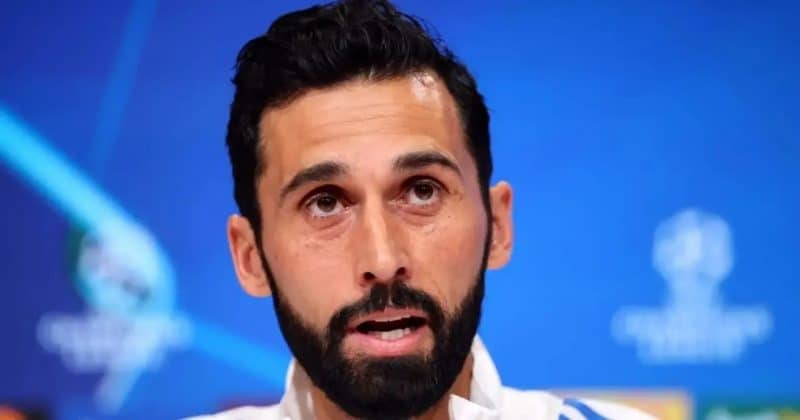
Fulham FC confirmed on July 7 that Álvaro Arbeloa will be the club’s new head coach on a three-year deal running through June 2029. The 43-year-old Spaniard replaces Marco Silva, who departed for Benfica, and arrives at Craven Cottage after cutting his teeth in Real Madrid’s coaching pipeline.

For crypto-adjacent investors, the appointment is worth watching for a reason that has nothing to do with tactics or formation preferences. Fulham has been one of the Premier League clubs most willing to experiment with blockchain-linked sponsorships, including its previous partnership with World Mobile Token (WMT). A new coaching era often triggers a broader commercial reset, and that could mean fresh opportunities, or fresh risks, for digital asset projects tied to football.

From the Bernabéu to the Cottage

Arbeloa’s coaching career started in Real Madrid’s youth academy back in 2020. He worked his way up through the development ranks before being handed the reins of Real Madrid Castilla, the club’s reserve team, in May 2025.

Advertisement

His trajectory accelerated when he was given first-team duties at Real Madrid from January to May 2026. That six-month audition on one of football’s biggest stages apparently caught Fulham’s attention.

Negotiations reportedly kicked off around June 23, 2026. The process hit a brief snag around July 2 when work permit complications surfaced. Five days later, the deal was done.

This marks Arbeloa’s first coaching role outside of Spain, and his first job at a club he didn’t already know from the inside.

Why crypto watchers should care about football coaching hires

Fulham’s previous deal with World Mobile Token is a case study. WMT, a blockchain-based telecommunications project, used the sponsorship to gain visibility among the Premier League’s global audience.

When a new coach arrives, the entire commercial operation gets a fresh evaluation. Sponsorship renewals get reconsidered. New partners get courted. If Arbeloa manages to improve Fulham’s on-pitch results, the club becomes a more attractive platform for blockchain sponsors willing to pay premium rates for Premier League exposure.

The competitive landscape and what to watch

For investors tracking the intersection of sports and digital assets, there are a few things worth monitoring. First, watch whether Fulham announces any new crypto or blockchain sponsorships during the summer window.

Second, keep an eye on World Mobile Token’s trajectory. If Fulham extends or expands that relationship under new leadership, it could signal continued institutional confidence in crypto-sport partnerships at a time when many clubs have quietly scaled back their Web3 ambitions after the 2022 downturn.

Disclosure: This article was edited by Editorial Team. For more information on how we create and review content, see our Editorial Policy.

Fulham FC taps former Real Madrid coach Álvaro Arbeloa, spotlighting crypto-sport sponsorship ties

Fulham FC taps former Real Madrid coach Álvaro Arbeloa, spotlighting crypto-sport sponsorship ties

The Premier League club's new head coach arrives as football's blockchain partnerships continue to reshape fan engagement and token economies

Fulham FC confirmed on July 7 that Álvaro Arbeloa will be the club’s new head coach on a three-year deal running through June 2029. The 43-year-old Spaniard replaces Marco Silva, who departed for Benfica, and arrives at Craven Cottage after cutting his teeth in Real Madrid’s coaching pipeline.

For crypto-adjacent investors, the appointment is worth watching for a reason that has nothing to do with tactics or formation preferences. Fulham has been one of the Premier League clubs most willing to experiment with blockchain-linked sponsorships, including its previous partnership with World Mobile Token (WMT). A new coaching era often triggers a broader commercial reset, and that could mean fresh opportunities, or fresh risks, for digital asset projects tied to football.

From the Bernabéu to the Cottage

Arbeloa’s coaching career started in Real Madrid’s youth academy back in 2020. He worked his way up through the development ranks before being handed the reins of Real Madrid Castilla, the club’s reserve team, in May 2025.

Advertisement

His trajectory accelerated when he was given first-team duties at Real Madrid from January to May 2026. That six-month audition on one of football’s biggest stages apparently caught Fulham’s attention.

Negotiations reportedly kicked off around June 23, 2026. The process hit a brief snag around July 2 when work permit complications surfaced. Five days later, the deal was done.

This marks Arbeloa’s first coaching role outside of Spain, and his first job at a club he didn’t already know from the inside.

Why crypto watchers should care about football coaching hires

Fulham’s previous deal with World Mobile Token is a case study. WMT, a blockchain-based telecommunications project, used the sponsorship to gain visibility among the Premier League’s global audience.

When a new coach arrives, the entire commercial operation gets a fresh evaluation. Sponsorship renewals get reconsidered. New partners get courted. If Arbeloa manages to improve Fulham’s on-pitch results, the club becomes a more attractive platform for blockchain sponsors willing to pay premium rates for Premier League exposure.

The competitive landscape and what to watch

For investors tracking the intersection of sports and digital assets, there are a few things worth monitoring. First, watch whether Fulham announces any new crypto or blockchain sponsorships during the summer window.

Second, keep an eye on World Mobile Token’s trajectory. If Fulham extends or expands that relationship under new leadership, it could signal continued institutional confidence in crypto-sport partnerships at a time when many clubs have quietly scaled back their Web3 ambitions after the 2022 downturn.

Disclosure: This article was edited by Editorial Team. For more information on how we create and review content, see our Editorial Policy.