
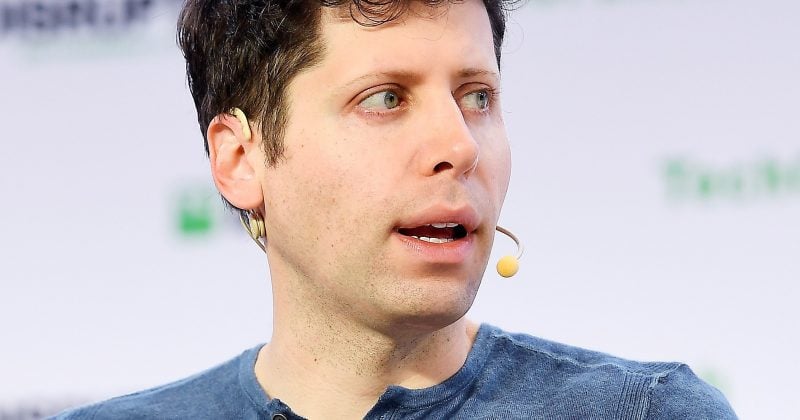
G7 leaders sit down with Sam Altman and Demis Hassabis to talk AI in France

G7 leaders sit down with Sam Altman and Demis Hassabis to talk AI in France

The final day of the G7 summit in Evian-les-Bains featured a working lunch with top tech CEOs, but no concrete policy announcements emerged from the conversation.

World leaders and Silicon Valley’s most powerful executives shared a meal in the French Alps on June 17, and the menu was artificial intelligence. The working lunch at the G7 summit in Evian-les-Bains brought together heads of state, including US President Donald Trump and French President Emmanuel Macron, with CEOs from OpenAI, Google DeepMind, and Anthropic.

The gathering capped a three-day summit that ran from June 15-17, 2026. Sam Altman and Demis Hassabis were among the tech leaders seated across from the politicians who will ultimately decide how their products get regulated.

What was actually on the table

The lunch centered on a handful of themes that have been simmering in policy circles for months. Safe deployment of increasingly powerful AI systems topped the list, alongside the question of how to balance innovation with ethical guardrails.

Advertisement

But the subtext was geopolitical. European leaders have grown increasingly vocal about US dominance in AI, and the concept of “tech sovereignty” loomed over the conversation. France, as host nation, had a clear interest in framing the discussion around Europe’s ability to compete rather than simply comply.

The session followed earlier G7 discussions on trustworthy AI held in the first half of June 2026.

No specific regulatory announcements or policy outcomes came out of the lunch. The meeting was, by all accounts, a conversation rather than a negotiation.

Why crypto should be paying attention

AI governance discussions at the G7 level didn’t explicitly touch on cryptocurrency or blockchain technology. The absence of crypto from the conversation suggests that, for now, traditional tech governance and decentralized finance remain on separate tracks in policymakers’ minds.

The intersection of AI and crypto is no longer theoretical. AI-powered trading bots, decentralized compute networks, and machine learning models running on blockchain infrastructure are all active sectors. Projects like Fetch.ai, Render, and Ocean Protocol sit squarely at this crossroads. How G7 nations choose to regulate AI development could directly affect whether these hybrid projects thrive or face existential compliance challenges.

The bigger picture for investors

The lack of concrete outcomes from Evian-les-Bains means the regulatory landscape remains in a holding pattern. The fact that G7 leaders are engaging directly with tech CEOs rather than regulating from a distance is a relatively constructive signal. If that pattern holds, projects that proactively align with emerging ethical standards and safety frameworks could find themselves better positioned when regulations eventually crystallize.

What’s worth watching next is whether subsequent G7 working groups explicitly include blockchain and decentralized AI in their scope. The conversation in Evian-les-Bains was framed around centralized AI labs and their products. Autonomous AI agents operating on-chain, decentralized model training, and tokenized compute markets don’t fit neatly into the regulatory boxes being discussed.

Disclosure: This article was edited by Editorial Team. For more information on how we create and review content, see our Editorial Policy.

G7 leaders sit down with Sam Altman and Demis Hassabis to talk AI in France

G7 leaders sit down with Sam Altman and Demis Hassabis to talk AI in France

The final day of the G7 summit in Evian-les-Bains featured a working lunch with top tech CEOs, but no concrete policy announcements emerged from the conversation.

World leaders and Silicon Valley’s most powerful executives shared a meal in the French Alps on June 17, and the menu was artificial intelligence. The working lunch at the G7 summit in Evian-les-Bains brought together heads of state, including US President Donald Trump and French President Emmanuel Macron, with CEOs from OpenAI, Google DeepMind, and Anthropic.

The gathering capped a three-day summit that ran from June 15-17, 2026. Sam Altman and Demis Hassabis were among the tech leaders seated across from the politicians who will ultimately decide how their products get regulated.

What was actually on the table

The lunch centered on a handful of themes that have been simmering in policy circles for months. Safe deployment of increasingly powerful AI systems topped the list, alongside the question of how to balance innovation with ethical guardrails.

Advertisement

But the subtext was geopolitical. European leaders have grown increasingly vocal about US dominance in AI, and the concept of “tech sovereignty” loomed over the conversation. France, as host nation, had a clear interest in framing the discussion around Europe’s ability to compete rather than simply comply.

The session followed earlier G7 discussions on trustworthy AI held in the first half of June 2026.

No specific regulatory announcements or policy outcomes came out of the lunch. The meeting was, by all accounts, a conversation rather than a negotiation.

Why crypto should be paying attention

AI governance discussions at the G7 level didn’t explicitly touch on cryptocurrency or blockchain technology. The absence of crypto from the conversation suggests that, for now, traditional tech governance and decentralized finance remain on separate tracks in policymakers’ minds.

The intersection of AI and crypto is no longer theoretical. AI-powered trading bots, decentralized compute networks, and machine learning models running on blockchain infrastructure are all active sectors. Projects like Fetch.ai, Render, and Ocean Protocol sit squarely at this crossroads. How G7 nations choose to regulate AI development could directly affect whether these hybrid projects thrive or face existential compliance challenges.

The bigger picture for investors

The lack of concrete outcomes from Evian-les-Bains means the regulatory landscape remains in a holding pattern. The fact that G7 leaders are engaging directly with tech CEOs rather than regulating from a distance is a relatively constructive signal. If that pattern holds, projects that proactively align with emerging ethical standards and safety frameworks could find themselves better positioned when regulations eventually crystallize.

What’s worth watching next is whether subsequent G7 working groups explicitly include blockchain and decentralized AI in their scope. The conversation in Evian-les-Bains was framed around centralized AI labs and their products. Autonomous AI agents operating on-chain, decentralized model training, and tokenized compute markets don’t fit neatly into the regulatory boxes being discussed.

Disclosure: This article was edited by Editorial Team. For more information on how we create and review content, see our Editorial Policy.