
G7 leaders convene in France as US-Iran deal reshapes geopolitical and crypto landscape
Bitcoin rallied on news of the peace agreement while oil prices fell, as world leaders gather to discuss the conflict's aftermath and broader implications
The US and Iran agreed on June 14 to end nearly four months of armed conflict, a diplomatic breakthrough that immediately rippled through energy and crypto markets. Bitcoin prices climbed on the announcement while oil prices dropped.
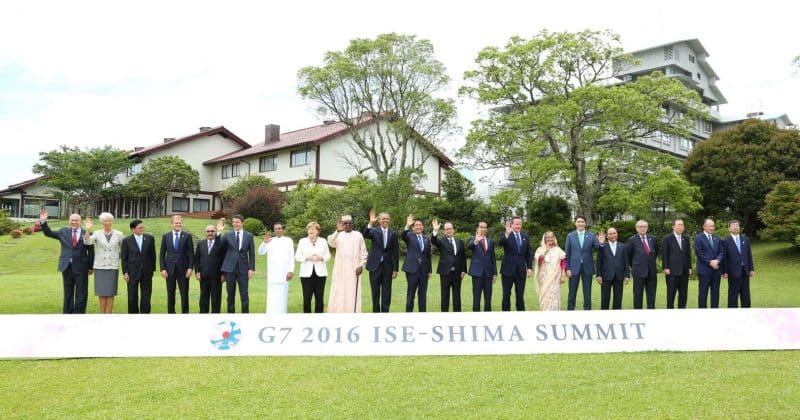
Now G7 leaders are sitting down in Évian-les-Bains, France, for their annual summit running June 15-17, with the freshly inked deal at the top of the agenda.
What the deal actually includes
The agreement extends the existing ceasefire by 60 days, giving both sides breathing room to formalize a more permanent arrangement. A formal memorandum of understanding is expected to be signed on or after June 19, either electronically or in Geneva.
Two provisions stand out as immediately consequential for global markets. The Strait of Hormuz will be reopened to shipping. And the US naval blockade on Iranian ports is set to be lifted.
Roughly one-fifth of the world’s petroleum passes through the Strait of Hormuz on any given day, so its closure has been a persistent source of anxiety for energy traders and policymakers alike.
The deal also sets the stage for future discussions around Iran’s nuclear program. Pakistan and Qatar served as key mediators in brokering the negotiations.
G7 foreign ministers had previously called for an immediate halt to hostilities and the reopening of maritime routes critical for global commerce.
Macro, rates, and crypto—what moved markets and what matters next.
Daily. Free. Join 34,000+ readers across crypto, finance, and policy.
Bitcoin’s reaction and the $1 billion seizure
Bitcoin prices moved higher following news of the agreement, part of a broader risk-on shift as markets digested the prospect of reduced geopolitical tension.
In May 2026, the US Treasury seized approximately $1 billion in digital assets linked to Iran as part of ongoing sanctions enforcement. That seizure highlighted how deeply intertwined crypto infrastructure has become with geopolitical conflict, serving as both a sanctions evasion tool and a target for enforcement agencies.
Oil prices moved in the opposite direction from Bitcoin. The reopening of the Strait of Hormuz removes a significant supply constraint, and markets priced that in quickly.
What G7 leaders are actually discussing
The conflict in Ukraine continues to demand attention from G7 members alongside the Iran deal. The US fought a four-month war that began with major fighting around March 2026. A 60-day ceasefire extension is not a permanent peace, and the nuclear question remains open.
European nations have spent years trying to diversify away from Russian energy dependence, and a conflict that threatened to shut down the Strait of Hormuz was the last thing they needed. The deal’s provisions on reopening shipping lanes and lifting the naval blockade address those concerns directly.
What this means for crypto investors
The US Treasury’s seizure of $1 billion in Iranian-linked digital assets demonstrated that crypto is now a legitimate front in economic warfare.
Lower energy costs reduce input costs for Bitcoin mining operations, which could improve miner profitability and reduce selling pressure from miners who need to liquidate holdings to cover electricity bills.
The formal signing expected on June 19 is the next catalyst to watch. Markets have priced in the announcement, but the actual execution of the memorandum of understanding could trigger another wave of positioning.