
Nexo Earn with Nexo
G7 summit opens in France with focus on US-Iran peace deal as Bitcoin surges past $66K

G7 summit opens in France with focus on US-Iran peace deal as Bitcoin surges past $66K

Oil prices dropped 5% while Bitcoin rallied as world leaders gathered in Évian-les-Bains to discuss the framework agreement ending a 15-week conflict

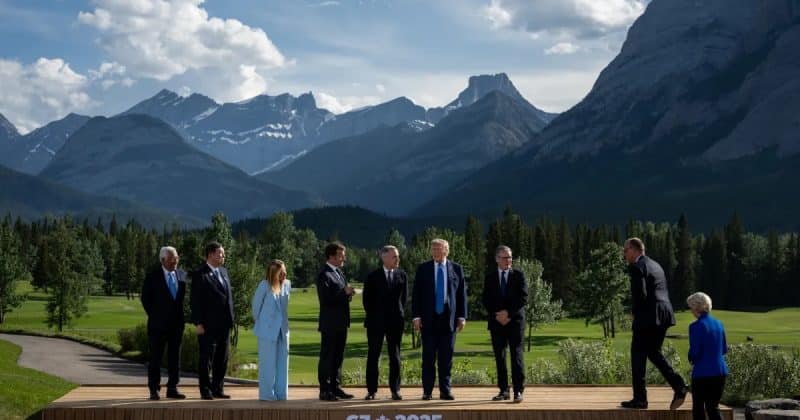
The G7 summit kicked off in Évian-les-Bains, France, on June 15 with one topic dominating the agenda: the newly announced US-Iran framework agreement that could end a 15-week conflict responsible for roiling global energy markets.

Bitcoin surged past $66,000 while West Texas Intermediate crude dropped 5% as traders digested the implications of a deal that, if finalized, would reopen one of the world’s most critical energy chokepoints.

What the deal actually involves

French President Emmanuel Macron is hosting the three-day summit, which runs through June 17. The US-Iran memorandum of understanding has been described as largely complete by US officials, with a formal signing ceremony scheduled for June 19 in Switzerland.

The centerpiece of the agreement is the reopening of the Strait of Hormuz, which handles roughly a fifth of the world’s oil supply. Beyond the immediate energy implications, the framework also includes initial discussions on nuclear measures and sanctions relief.

Advertisement

European leaders at the summit, including representatives from the UK, Germany, and Italy, have publicly welcomed the breakthrough. They want specifics on implementation processes, the pace of sanctions relief, and what verification mechanisms will actually look like in practice.

Markets moved fast

The 5% decline in WTI crude is the most straightforward reaction. If Iranian oil exports resume at pre-conflict levels, global supply increases meaningfully, which puts downward pressure on prices.

Bitcoin’s rally above $66,000 reflects broader risk appetite as geopolitical tensions ease. It’s worth noting the Iran-crypto connection runs deeper than just market sentiment. The US had previously imposed sanctions on Iranian digital asset platforms, including Nobitex, as part of its broader economic pressure campaign. While no specific cryptocurrency projects were directly implicated in the summit discussions, the sanctions backdrop means any relief package could have downstream effects on how Iranian users interact with digital asset markets.

What else is on the table

The situation in Ukraine continues to demand attention from European leaders, and various economic concerns are expected to fill the remaining sessions.

US President Donald Trump is among the attendees, and the US-Iran framework is being positioned as a significant diplomatic achievement for his administration.

What this means for investors

The more interesting question is what happens after June 19, when the agreement is formally signed in Switzerland. The nuclear and sanctions components of the US-Iran agreement are still in early-stage discussions, and those are precisely the issues that have derailed previous diplomatic efforts in the region.

For crypto-specific investors, the sanctions angle deserves close monitoring. Any changes to the US sanctions regime affecting Iranian digital asset platforms could alter liquidity dynamics in regional crypto markets and set precedents for how future sanctions interact with decentralized finance infrastructure.

Disclosure: This article was edited by Editorial Team. For more information on how we create and review content, see our Editorial Policy.

G7 summit opens in France with focus on US-Iran peace deal as Bitcoin surges past $66K

G7 summit opens in France with focus on US-Iran peace deal as Bitcoin surges past $66K

Oil prices dropped 5% while Bitcoin rallied as world leaders gathered in Évian-les-Bains to discuss the framework agreement ending a 15-week conflict

The G7 summit kicked off in Évian-les-Bains, France, on June 15 with one topic dominating the agenda: the newly announced US-Iran framework agreement that could end a 15-week conflict responsible for roiling global energy markets.

Bitcoin surged past $66,000 while West Texas Intermediate crude dropped 5% as traders digested the implications of a deal that, if finalized, would reopen one of the world’s most critical energy chokepoints.

What the deal actually involves

French President Emmanuel Macron is hosting the three-day summit, which runs through June 17. The US-Iran memorandum of understanding has been described as largely complete by US officials, with a formal signing ceremony scheduled for June 19 in Switzerland.

The centerpiece of the agreement is the reopening of the Strait of Hormuz, which handles roughly a fifth of the world’s oil supply. Beyond the immediate energy implications, the framework also includes initial discussions on nuclear measures and sanctions relief.

Advertisement

European leaders at the summit, including representatives from the UK, Germany, and Italy, have publicly welcomed the breakthrough. They want specifics on implementation processes, the pace of sanctions relief, and what verification mechanisms will actually look like in practice.

Markets moved fast

The 5% decline in WTI crude is the most straightforward reaction. If Iranian oil exports resume at pre-conflict levels, global supply increases meaningfully, which puts downward pressure on prices.

Bitcoin’s rally above $66,000 reflects broader risk appetite as geopolitical tensions ease. It’s worth noting the Iran-crypto connection runs deeper than just market sentiment. The US had previously imposed sanctions on Iranian digital asset platforms, including Nobitex, as part of its broader economic pressure campaign. While no specific cryptocurrency projects were directly implicated in the summit discussions, the sanctions backdrop means any relief package could have downstream effects on how Iranian users interact with digital asset markets.

What else is on the table

The situation in Ukraine continues to demand attention from European leaders, and various economic concerns are expected to fill the remaining sessions.

US President Donald Trump is among the attendees, and the US-Iran framework is being positioned as a significant diplomatic achievement for his administration.

What this means for investors

The more interesting question is what happens after June 19, when the agreement is formally signed in Switzerland. The nuclear and sanctions components of the US-Iran agreement are still in early-stage discussions, and those are precisely the issues that have derailed previous diplomatic efforts in the region.

For crypto-specific investors, the sanctions angle deserves close monitoring. Any changes to the US sanctions regime affecting Iranian digital asset platforms could alter liquidity dynamics in regional crypto markets and set precedents for how future sanctions interact with decentralized finance infrastructure.

Disclosure: This article was edited by Editorial Team. For more information on how we create and review content, see our Editorial Policy.