
G7 leaders discuss access for trusted partners to US AI models after sweeping restrictions
Commerce Secretary Howard Lutnick pitched a framework to let allied nations bypass new US restrictions that cut off access to frontier AI systems
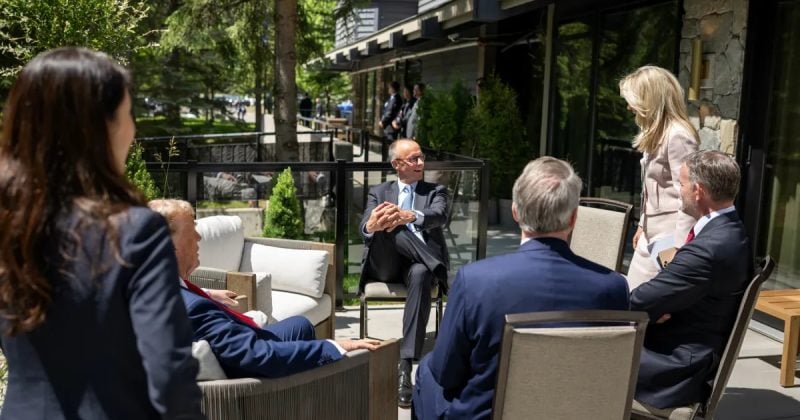
Four days after the US effectively locked non-Americans out of its most powerful AI models, G7 leaders sat down to dinner in the French Alps and tried to figure out how to partially unlock the door.
The discussion, which took place on June 16 during the G7 summit in Évian-les-Bains, France, centered on a proposed “trusted partners” framework. The idea: create a vetted list of allied nations and approved companies that would be exempt from the broad restrictions the US imposed on June 12.
What happened and why it matters
On June 12, US authorities implemented sweeping restrictions that suspended foreign access to advanced frontier AI models. Anthropic responded by disabling access for non-US users entirely. The move sent shockwaves through the global tech and research communities, essentially cutting off allies and adversaries alike from some of the most capable AI systems on the planet.
At the summit, US Commerce Secretary Howard Lutnick took the lead in pitching the exemption framework to counterparts from the other six nations. The proposed scheme would allow vetted entities from allied countries to regain access to models developed by companies like Anthropic, OpenAI, and Google.
AI, tech, and the markets they move—in one daily briefing.
Daily. Free. Join 34,000+ readers across crypto, finance, and policy.
The broader context of AI governance
The summit, which ran from June 15 to 17, had a packed agenda. But the AI access question carried particular urgency given how recently the restrictions were imposed. Major technology firms had already expressed concern over the access limitations, and the diplomatic fallout was still fresh.
What this means for the tech sector and investors
If trusted partner exemptions are formalized, companies like Anthropic, OpenAI, and Google could regain access to international markets they were just cut off from. That matters for revenue, for user growth, and for the training feedback loops that make AI models better over time.
A tiered access system creates a new category of geopolitical leverage. Being designated a “trusted partner” becomes a bargaining chip. Nations that want access to frontier US AI will have incentives to align with US policy on other fronts, from trade to defense spending.