
Nexo Earn with Nexo
Gulf Cooperation Council condemns Iranian drone and missile attacks on Bahrain, Kuwait, and Jordan

Gulf Cooperation Council condemns Iranian drone and missile attacks on Bahrain, Kuwait, and Jordan

The GCC declared Tehran responsible for strikes it called a 'flagrant violation of sovereignty,' marking a significant escalation in regional tensions with potential ripple effects for energy and risk markets.

The Gulf Cooperation Council issued a formal condemnation of Iranian missile and drone attacks targeting Bahrain, Kuwait, and Jordan on February 28, 2026. GCC Secretary-General Jasem Mohamed Albudaiwi called the strikes a “flagrant violation of sovereignty” and stated unequivocally that Tehran bears responsibility.

The condemnation extended beyond those three nations. The UAE and Qatar were also named among the targets, broadening the scope of what amounts to an unprecedented Iranian military campaign against multiple Gulf states simultaneously.

A coordinated international response takes shape

On March 1, 2026, the United States joined several regional partners in a joint statement condemning what they described as Iran’s indiscriminate aggression. The coalition called for an immediate end to hostilities.

Advertisement

Ten days later, the UN Security Council passed Resolution 2817, which demanded a halt to all Iranian strikes. The resolution specifically highlighted civilian casualties.

Albudaiwi emphasized that affected nations retain the right to defend themselves under the United Nations Charter.

The attacks kept coming

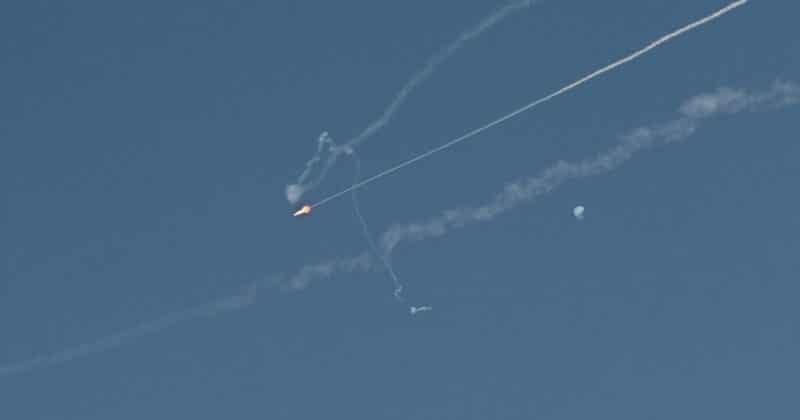
Iranian drone and missile incidents targeting Kuwait and Bahrain continued into early June 2026. Bahrain reported that all projectiles were intercepted. Missile interceptions over Kuwait City were also reported during this period.

For context, the GCC comprises six member states: Saudi Arabia, the UAE, Qatar, Kuwait, Bahrain, and Oman. The bloc was founded in 1981 partly as a collective security arrangement against exactly this kind of regional threat. Four of its six members were named as targets in this campaign.

Jordan, while not a GCC member, is a close strategic partner to several Gulf states and hosts significant US military infrastructure.

What this means for markets and investors

No cryptocurrency tokens or digital asset implications surfaced in any of the primary statements or coverage surrounding these attacks.

Disclosure: This article was edited by Editorial Team. For more information on how we create and review content, see our Editorial Policy.

Gulf Cooperation Council condemns Iranian drone and missile attacks on Bahrain, Kuwait, and Jordan

Gulf Cooperation Council condemns Iranian drone and missile attacks on Bahrain, Kuwait, and Jordan

The GCC declared Tehran responsible for strikes it called a 'flagrant violation of sovereignty,' marking a significant escalation in regional tensions with potential ripple effects for energy and risk markets.

The Gulf Cooperation Council issued a formal condemnation of Iranian missile and drone attacks targeting Bahrain, Kuwait, and Jordan on February 28, 2026. GCC Secretary-General Jasem Mohamed Albudaiwi called the strikes a “flagrant violation of sovereignty” and stated unequivocally that Tehran bears responsibility.

The condemnation extended beyond those three nations. The UAE and Qatar were also named among the targets, broadening the scope of what amounts to an unprecedented Iranian military campaign against multiple Gulf states simultaneously.

A coordinated international response takes shape

On March 1, 2026, the United States joined several regional partners in a joint statement condemning what they described as Iran’s indiscriminate aggression. The coalition called for an immediate end to hostilities.

Advertisement

Ten days later, the UN Security Council passed Resolution 2817, which demanded a halt to all Iranian strikes. The resolution specifically highlighted civilian casualties.

Albudaiwi emphasized that affected nations retain the right to defend themselves under the United Nations Charter.

The attacks kept coming

Iranian drone and missile incidents targeting Kuwait and Bahrain continued into early June 2026. Bahrain reported that all projectiles were intercepted. Missile interceptions over Kuwait City were also reported during this period.

For context, the GCC comprises six member states: Saudi Arabia, the UAE, Qatar, Kuwait, Bahrain, and Oman. The bloc was founded in 1981 partly as a collective security arrangement against exactly this kind of regional threat. Four of its six members were named as targets in this campaign.

Jordan, while not a GCC member, is a close strategic partner to several Gulf states and hosts significant US military infrastructure.

What this means for markets and investors

No cryptocurrency tokens or digital asset implications surfaced in any of the primary statements or coverage surrounding these attacks.

Disclosure: This article was edited by Editorial Team. For more information on how we create and review content, see our Editorial Policy.