
Nexo Earn with Nexo
Germany leads Curacao 3-1 at halftime as Kai Havertz scores first World Cup goal

Germany leads Curacao 3-1 at halftime as Kai Havertz scores first World Cup goal

Germany dominated debutants Curacao in their World Cup 2026 Group E opener in Houston, with Kai Havertz converting a stoppage-time penalty

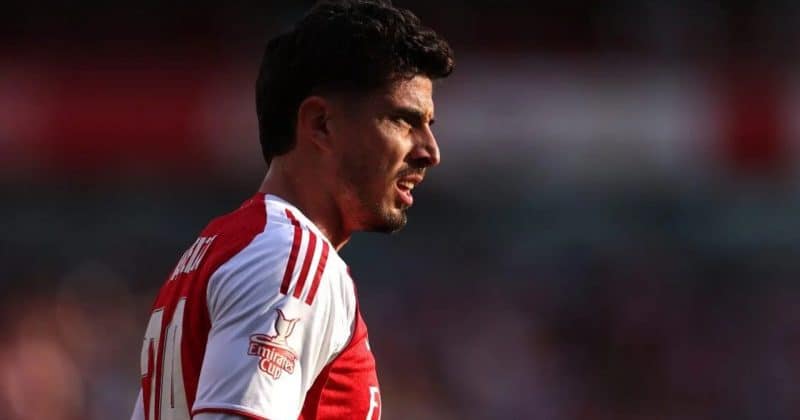
Germany came out swinging in their World Cup 2026 opener, building a 3-1 halftime lead against Curacao in Houston on June 14. Kai Havertz, the Arsenal forward, converted a penalty in the 45th minute plus stoppage time to notch his first-ever World Cup goal.

Before you ask: no, this isn’t a token launch, a protocol upgrade, or a DAO governance vote. But the World Cup is the world’s biggest sporting event, and its intersection with crypto, fan tokens, and sports betting platforms makes it relevant terrain for anyone watching digital asset markets. So here’s what happened on the pitch.

Germany’s attack fires on all cylinders

Felix Nmecha was among Germany’s goalscorers in a first half that saw the four-time World Cup champions assert dominance early. Havertz’s penalty, tucked away deep into first-half stoppage time, put the exclamation point on a comfortable 45 minutes for Germany’s squad.

The match carried weight beyond the scoreline for both sides. Germany entered the tournament desperate to erase the memory of consecutive group-stage exits in 2018 and 2022.

Advertisement

Curacao, on the other hand, were writing history simply by showing up. The Caribbean island nation made its World Cup debut as the smallest country ever to qualify for the tournament.

Livano Comenencia scored Curacao’s first-ever World Cup goal, a moment that will live in the tiny nation’s sporting history regardless of how the rest of the match played out.

Why this matters for the broader World Cup picture

Germany’s squad depth was on full display. Florian Wirtz, one of the most sought-after young talents in European football, featured in a lineup designed to overwhelm lesser opponents.

For Germany, this Group E fixture was about establishing a tone. After the embarrassments of Russia 2018 and Qatar 2022, three first-half goals is a solid start.

Curacao’s debut performance, while ending on the wrong side of a lopsided scoreline at the break, was still meaningful. Qualifying for the World Cup as a nation of roughly 150,000 people is a remarkable achievement. Comenencia’s goal ensures the story isn’t just about showing up, it’s about competing.

The crypto angle, or lack thereof

Look, we’ll be straight with you. There is no direct crypto angle to this match. No fan token pumped, no betting protocol settled a smart contract on the halftime score, and neither federation announced an NFT partnership at the whistle.

But the World Cup has historically been a catalyst for activity in sports-adjacent crypto markets. The 2022 World Cup in Qatar coincided with Chiliz and Socios-powered fan tokens experiencing significant trading activity around match days.

For crypto-native sports bettors, the 2026 World Cup is the first major tournament taking place against the backdrop of a more mature on-chain betting ecosystem. Platforms built on various Layer 1 and Layer 2 networks now offer decentralized wagering markets on individual matches, and a Germany blowout in the opener is the kind of result that moves those markets.

Disclosure: This article was edited by Editorial Team. For more information on how we create and review content, see our Editorial Policy.

Germany leads Curacao 3-1 at halftime as Kai Havertz scores first World Cup goal

Germany leads Curacao 3-1 at halftime as Kai Havertz scores first World Cup goal

Germany dominated debutants Curacao in their World Cup 2026 Group E opener in Houston, with Kai Havertz converting a stoppage-time penalty

Germany came out swinging in their World Cup 2026 opener, building a 3-1 halftime lead against Curacao in Houston on June 14. Kai Havertz, the Arsenal forward, converted a penalty in the 45th minute plus stoppage time to notch his first-ever World Cup goal.

Before you ask: no, this isn’t a token launch, a protocol upgrade, or a DAO governance vote. But the World Cup is the world’s biggest sporting event, and its intersection with crypto, fan tokens, and sports betting platforms makes it relevant terrain for anyone watching digital asset markets. So here’s what happened on the pitch.

Germany’s attack fires on all cylinders

Felix Nmecha was among Germany’s goalscorers in a first half that saw the four-time World Cup champions assert dominance early. Havertz’s penalty, tucked away deep into first-half stoppage time, put the exclamation point on a comfortable 45 minutes for Germany’s squad.

The match carried weight beyond the scoreline for both sides. Germany entered the tournament desperate to erase the memory of consecutive group-stage exits in 2018 and 2022.

Advertisement

Curacao, on the other hand, were writing history simply by showing up. The Caribbean island nation made its World Cup debut as the smallest country ever to qualify for the tournament.

Livano Comenencia scored Curacao’s first-ever World Cup goal, a moment that will live in the tiny nation’s sporting history regardless of how the rest of the match played out.

Why this matters for the broader World Cup picture

Germany’s squad depth was on full display. Florian Wirtz, one of the most sought-after young talents in European football, featured in a lineup designed to overwhelm lesser opponents.

For Germany, this Group E fixture was about establishing a tone. After the embarrassments of Russia 2018 and Qatar 2022, three first-half goals is a solid start.

Curacao’s debut performance, while ending on the wrong side of a lopsided scoreline at the break, was still meaningful. Qualifying for the World Cup as a nation of roughly 150,000 people is a remarkable achievement. Comenencia’s goal ensures the story isn’t just about showing up, it’s about competing.

The crypto angle, or lack thereof

Look, we’ll be straight with you. There is no direct crypto angle to this match. No fan token pumped, no betting protocol settled a smart contract on the halftime score, and neither federation announced an NFT partnership at the whistle.

But the World Cup has historically been a catalyst for activity in sports-adjacent crypto markets. The 2022 World Cup in Qatar coincided with Chiliz and Socios-powered fan tokens experiencing significant trading activity around match days.

For crypto-native sports bettors, the 2026 World Cup is the first major tournament taking place against the backdrop of a more mature on-chain betting ecosystem. Platforms built on various Layer 1 and Layer 2 networks now offer decentralized wagering markets on individual matches, and a Germany blowout in the opener is the kind of result that moves those markets.

Disclosure: This article was edited by Editorial Team. For more information on how we create and review content, see our Editorial Policy.