
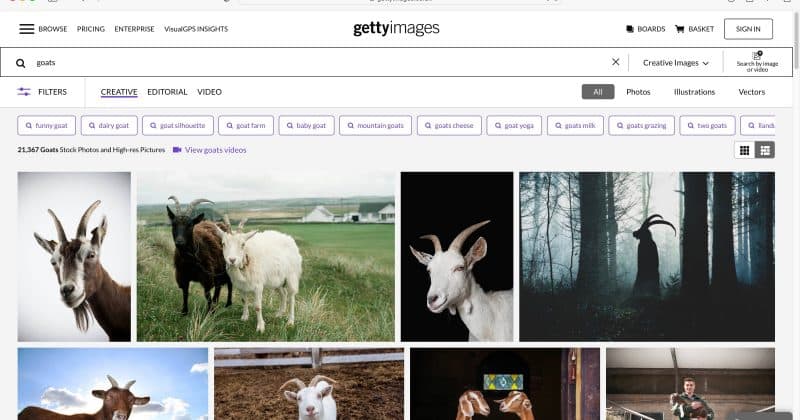
Getty Images scraps merger with Shutterstock after UK scrutiny

Getty Images scraps merger with Shutterstock after UK scrutiny

The $3.7 billion deal to combine the world's two largest stock photo companies collapses under pressure from British regulators.

Getty Images has pulled the plug on its planned merger with Shutterstock, ending a $3.7 billion deal that would have created the dominant force in commercial visual content. The culprit: regulatory pressure from the UK’s Competition and Markets Authority, which demanded the companies carve out a significant chunk of their editorial business before it would let the deal proceed.

The merger, first announced on January 7, 2025, was structured as a “merger of equals” that would have given Getty shareholders roughly 54.7% of the combined entity and Shutterstock shareholders about 45.3%. The combined company would have operated under the Getty name.

What the UK regulators wanted

The CMA didn’t object to the merger entirely. It actually cleared the deal when it came to global stock content, the bread-and-butter business of generic photos, videos, and illustrations that populate websites, ads, and presentations worldwide.

The problem was editorial content. On February 19, 2026, the CMA published provisional findings flagging serious competition concerns in the UK editorial content market.

Advertisement

By May 15, 2026, the CMA issued conditional clearance, but the conditions were steep. The regulator required the divestiture of Shutterstock’s entire global editorial business, including recognizable brands like Backgrid and Splash.

The US took a different view entirely. The Department of Justice granted unconditional antitrust clearance on February 23, 2026, just four days after the CMA raised its red flags.

Why the deal fell apart

Divesting Shutterstock’s global editorial operation, not just the UK piece but the entire worldwide editorial business, would have fundamentally altered the economics of the merger.

The whole point of combining Getty and Shutterstock was to achieve economies of scale, streamline overlapping operations, and pool their investments in AI-powered content tools. Stripping out a major business line before the ink dried would have undermined the strategic rationale that made the deal attractive in the first place.

Getty and Shutterstock spent more than a year navigating the regulatory process. The merger announcement came in January 2025, the CMA launched its Phase 2 review in late 2025, and the back-and-forth over remedies stretched well into 2026.

What this means for investors and the broader market

Shutterstock had positioned the merger as a way to compete more effectively against the growing threat from AI image generators like those offered by OpenAI, Midjourney, and Adobe’s Firefly. Without the deal, Shutterstock must invest in those capabilities independently.

The CMA’s willingness to impose conditions that effectively reshape a transaction, even when the US DOJ sees no issues, creates a kind of regulatory arbitrage problem for companies planning cross-border mergers. If one major jurisdiction demands divestitures that gut the deal’s value, it doesn’t matter how many others wave it through.

For the stock imagery industry specifically, the failed merger preserves a competitive dynamic that regulators clearly preferred. Getty and Shutterstock will continue to compete head-to-head in editorial and commercial content, which could benefit the publishers and media companies that buy from them.

Disclosure: This article was edited by Editorial Team. For more information on how we create and review content, see our Editorial Policy.

Getty Images scraps merger with Shutterstock after UK scrutiny

Getty Images scraps merger with Shutterstock after UK scrutiny

The $3.7 billion deal to combine the world's two largest stock photo companies collapses under pressure from British regulators.

Getty Images has pulled the plug on its planned merger with Shutterstock, ending a $3.7 billion deal that would have created the dominant force in commercial visual content. The culprit: regulatory pressure from the UK’s Competition and Markets Authority, which demanded the companies carve out a significant chunk of their editorial business before it would let the deal proceed.

The merger, first announced on January 7, 2025, was structured as a “merger of equals” that would have given Getty shareholders roughly 54.7% of the combined entity and Shutterstock shareholders about 45.3%. The combined company would have operated under the Getty name.

What the UK regulators wanted

The CMA didn’t object to the merger entirely. It actually cleared the deal when it came to global stock content, the bread-and-butter business of generic photos, videos, and illustrations that populate websites, ads, and presentations worldwide.

The problem was editorial content. On February 19, 2026, the CMA published provisional findings flagging serious competition concerns in the UK editorial content market.

Advertisement

By May 15, 2026, the CMA issued conditional clearance, but the conditions were steep. The regulator required the divestiture of Shutterstock’s entire global editorial business, including recognizable brands like Backgrid and Splash.

The US took a different view entirely. The Department of Justice granted unconditional antitrust clearance on February 23, 2026, just four days after the CMA raised its red flags.

Why the deal fell apart

Divesting Shutterstock’s global editorial operation, not just the UK piece but the entire worldwide editorial business, would have fundamentally altered the economics of the merger.

The whole point of combining Getty and Shutterstock was to achieve economies of scale, streamline overlapping operations, and pool their investments in AI-powered content tools. Stripping out a major business line before the ink dried would have undermined the strategic rationale that made the deal attractive in the first place.

Getty and Shutterstock spent more than a year navigating the regulatory process. The merger announcement came in January 2025, the CMA launched its Phase 2 review in late 2025, and the back-and-forth over remedies stretched well into 2026.

What this means for investors and the broader market

Shutterstock had positioned the merger as a way to compete more effectively against the growing threat from AI image generators like those offered by OpenAI, Midjourney, and Adobe’s Firefly. Without the deal, Shutterstock must invest in those capabilities independently.

The CMA’s willingness to impose conditions that effectively reshape a transaction, even when the US DOJ sees no issues, creates a kind of regulatory arbitrage problem for companies planning cross-border mergers. If one major jurisdiction demands divestitures that gut the deal’s value, it doesn’t matter how many others wave it through.

For the stock imagery industry specifically, the failed merger preserves a competitive dynamic that regulators clearly preferred. Getty and Shutterstock will continue to compete head-to-head in editorial and commercial content, which could benefit the publishers and media companies that buy from them.

Disclosure: This article was edited by Editorial Team. For more information on how we create and review content, see our Editorial Policy.