
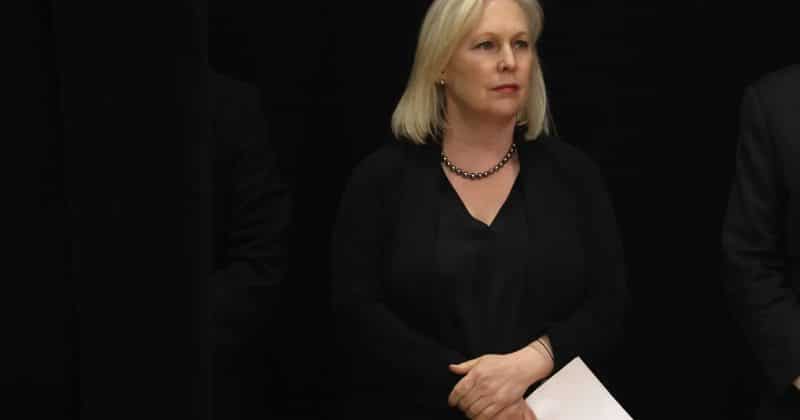
Kirsten Gillibrand’s son reportedly raises $30M to launch derivatives exchange
The alleged fundraise would place a US senator's family member at the center of crypto's fastest-growing market segment, raising questions about political entanglements in digital asset infrastructure.
A claim circulating on social media alleges that a son of US Senator Kirsten Gillibrand has raised $30 million to launch a derivatives exchange. If true, it would represent one of the more politically charged entries into the crypto infrastructure space, given Gillibrand’s prominent role in shaping digital asset legislation.
No major news outlet, crypto publication, or public funding announcement has corroborated the claim as of mid-June 2025.
What we know, and what we don’t
The core allegation is straightforward. Someone in the Gillibrand family reportedly secured $30 million in funding to build a derivatives trading platform. The source is a social media post, with no accompanying details about the exchange’s name, its backers, the type of derivatives it would offer, or whether it has applied for any regulatory approvals.
Senator Gillibrand has two sons, Henry and Theo. Neither has been publicly linked to cryptocurrency ventures or fintech startups in any documented capacity. Their public mentions have been limited to personal and familial contexts, the kind of references that surface in profile pieces about their mother’s political career.
No associated protocols, tokens, or identifiable derivatives platforms have surfaced in connection with the alleged exchange. No venture capital firm has announced participation in such a round. No corporate filings, press releases, or LinkedIn updates point to an entity matching this description.
The news moving money, markets, and the world—before your day starts.
Daily. Free. Join 34,000+ readers across crypto, finance, and policy.
Why the Gillibrand connection matters
Senator Gillibrand has been one of the most active voices in Congress on crypto regulation. She co-sponsored the Lummis-Gillibrand Responsible Financial Innovation Act in 2022 alongside Republican Senator Cynthia Lummis, a bipartisan effort that proposed a comprehensive regulatory framework for digital assets.
A key provision of that legislation suggested classifying many digital assets as commodities rather than securities. That distinction matters enormously. Commodities fall under the jurisdiction of the Commodity Futures Trading Commission, which also oversees derivatives and prediction markets. Securities fall under the SEC, which has taken a far more aggressive enforcement posture toward crypto firms.
Gillibrand has consistently advocated for consumer protection alongside innovation, positioning herself as a moderate voice in the crypto regulation debate. A family connection to a derivatives exchange would test whether that positioning can survive the inevitable scrutiny.
The derivatives market context
Launching a new derivatives exchange requires navigating a complex web of federal and state regulations. It demands significant capital for technology, compliance infrastructure, and market-making partnerships. A $30 million seed round would be substantial but not unprecedented for this type of venture.
In an industry where legitimate fundraises are typically accompanied by press releases, investor announcements, and founder interviews, the absence of corroborating information is itself a data point. If the story does prove accurate, expect immediate questions about disclosure timelines, potential conflicts of interest, and whether existing legislative proposals would benefit the venture.