
Nexo Earn with Nexo
General Motors partners with Peak Energy to develop sodium-ion batteries for energy storage systems

General Motors partners with Peak Energy to develop sodium-ion batteries for energy storage systems

GM is betting big on sodium-ion chemistry for data centers, factories, and grid storage, with deployments expected after 2028.

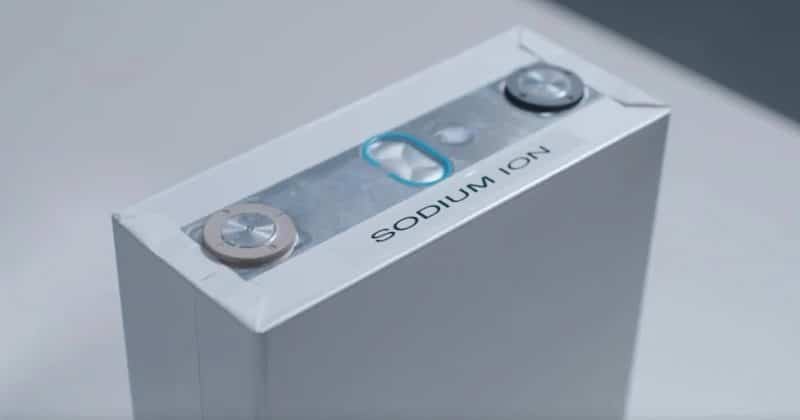
General Motors is done waiting for the lithium-ion supply chain to sort itself out. The automaker announced a partnership with US startup Peak Energy to co-develop sodium-ion battery cells designed for large-scale energy storage, covering everything from AI data centers to GM’s own manufacturing plants.

GM will lead cell development at its Michigan laboratories and hold exclusive manufacturing rights for the technology. Deployments targeting data centers, factories, and grid-scale applications are expected to begin after 2028.

Why sodium, why now

Sodium-ion batteries aren’t new, but their moment might finally be arriving. The core pitch is simple: sodium is cheap, abundant, and available domestically in the US. That last part matters a lot when the geopolitics of lithium, cobalt, and nickel sourcing look increasingly fragile.

Compared to lithium-ion cells, sodium-ion batteries offer lower material costs, reduced cooling requirements, and better safety characteristics. The trade-off has historically been lower energy density, which makes them a poor fit for vehicles where every gram counts. But for stationary storage, where size and weight constraints are far less demanding, the math starts to look very different.

Advertisement

Peak Energy brings proven technology to the table. The startup’s passively cooled sodium-ion system has already been validated through a 3.5 MWh grid-scale pilot project in Colorado, completed in 2025.

Peak’s commercial traction extends well beyond a single pilot. The company secured a multi-year contract worth over $500 million with Jupiter Power for up to 4.75 GWh of storage capacity, running from 2027 to 2030. In February 2026, Peak also partnered with Energy Vault on a 1.5 GWh supply agreement for sodium-ion solutions.

GM’s pivot from drivetrains to the grid

EV demand has been volatile, to put it gently. Automakers invested billions in battery manufacturing capacity, built enormous R&D teams, and then watched consumer adoption zigzag unpredictably. GM’s decision to channel that battery knowledge into stationary energy storage is a pragmatic hedge, one that lets the company monetize its existing capabilities in a market with clearer demand signals.

By holding exclusive manufacturing rights, GM positions itself not just as a battery developer but as a potential contract manufacturer for the energy storage boom. The domestic supply chain angle also plays directly into current US industrial policy, as a technology that relies on readily available North American sodium deposits offers genuine supply chain resilience.

What this means for energy-intensive industries

Neither GM nor Peak Energy has any connection to blockchain projects, tokens, or protocols. However, if sodium-ion technology delivers on its promise of significantly lower material costs compared to lithium-ion, the levelized cost of storage could drop meaningfully over the next several years, benefiting any industry where electricity is a primary input cost.

The competitive landscape is also shifting. Chinese manufacturers like CATL and HiNa have been pushing sodium-ion development aggressively. GM’s entry, combined with Peak’s existing commercial contracts totaling over 6 GWh across Jupiter Power and Energy Vault alone, represents a credible US-based alternative that could reshape how the domestic storage market develops.

The risk, as always with pre-commercial partnerships, is timeline slippage. Post-2028 is a vague target, and scaling from a 3.5 MWh pilot to gigawatt-hour manufacturing volumes involves solving a very different set of problems.

Disclosure: This article was edited by Editorial Team. For more information on how we create and review content, see our Editorial Policy.

General Motors partners with Peak Energy to develop sodium-ion batteries for energy storage systems

General Motors partners with Peak Energy to develop sodium-ion batteries for energy storage systems

GM is betting big on sodium-ion chemistry for data centers, factories, and grid storage, with deployments expected after 2028.

General Motors is done waiting for the lithium-ion supply chain to sort itself out. The automaker announced a partnership with US startup Peak Energy to co-develop sodium-ion battery cells designed for large-scale energy storage, covering everything from AI data centers to GM’s own manufacturing plants.

GM will lead cell development at its Michigan laboratories and hold exclusive manufacturing rights for the technology. Deployments targeting data centers, factories, and grid-scale applications are expected to begin after 2028.

Why sodium, why now

Sodium-ion batteries aren’t new, but their moment might finally be arriving. The core pitch is simple: sodium is cheap, abundant, and available domestically in the US. That last part matters a lot when the geopolitics of lithium, cobalt, and nickel sourcing look increasingly fragile.

Compared to lithium-ion cells, sodium-ion batteries offer lower material costs, reduced cooling requirements, and better safety characteristics. The trade-off has historically been lower energy density, which makes them a poor fit for vehicles where every gram counts. But for stationary storage, where size and weight constraints are far less demanding, the math starts to look very different.

Advertisement

Peak Energy brings proven technology to the table. The startup’s passively cooled sodium-ion system has already been validated through a 3.5 MWh grid-scale pilot project in Colorado, completed in 2025.

Peak’s commercial traction extends well beyond a single pilot. The company secured a multi-year contract worth over $500 million with Jupiter Power for up to 4.75 GWh of storage capacity, running from 2027 to 2030. In February 2026, Peak also partnered with Energy Vault on a 1.5 GWh supply agreement for sodium-ion solutions.

GM’s pivot from drivetrains to the grid

EV demand has been volatile, to put it gently. Automakers invested billions in battery manufacturing capacity, built enormous R&D teams, and then watched consumer adoption zigzag unpredictably. GM’s decision to channel that battery knowledge into stationary energy storage is a pragmatic hedge, one that lets the company monetize its existing capabilities in a market with clearer demand signals.

By holding exclusive manufacturing rights, GM positions itself not just as a battery developer but as a potential contract manufacturer for the energy storage boom. The domestic supply chain angle also plays directly into current US industrial policy, as a technology that relies on readily available North American sodium deposits offers genuine supply chain resilience.

What this means for energy-intensive industries

Neither GM nor Peak Energy has any connection to blockchain projects, tokens, or protocols. However, if sodium-ion technology delivers on its promise of significantly lower material costs compared to lithium-ion, the levelized cost of storage could drop meaningfully over the next several years, benefiting any industry where electricity is a primary input cost.

The competitive landscape is also shifting. Chinese manufacturers like CATL and HiNa have been pushing sodium-ion development aggressively. GM’s entry, combined with Peak’s existing commercial contracts totaling over 6 GWh across Jupiter Power and Energy Vault alone, represents a credible US-based alternative that could reshape how the domestic storage market develops.

The risk, as always with pre-commercial partnerships, is timeline slippage. Post-2028 is a vague target, and scaling from a 3.5 MWh pilot to gigawatt-hour manufacturing volumes involves solving a very different set of problems.

Disclosure: This article was edited by Editorial Team. For more information on how we create and review content, see our Editorial Policy.