
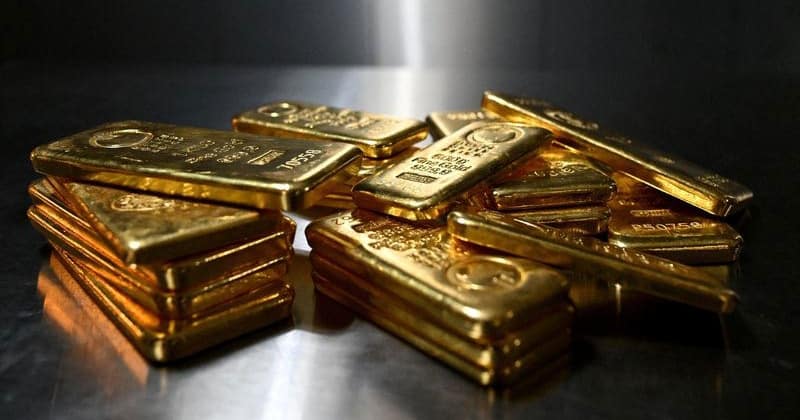
Gold falls to two-month low as strong US jobs data boosts rate-hike bets
A blowout May jobs report sent spot gold tumbling roughly 3% in a single session, with Fed rate-hike odds surging and crypto markets bracing for spillover volatility.
The US economy added 172,000 nonfarm jobs in May 2026. Wall Street was expecting somewhere between 85,000 and 105,000. That kind of overshoot doesn’t just move markets. It rewrites the narrative.
Spot gold dropped approximately 3% on June 5, sliding to levels not seen in over two months. By June 8, the metal hit an intraday low of $4,268.39 per ounce, as traders scrambled to reprice their assumptions about where interest rates are headed.
What happened and why it matters
Here’s the thing about gold: it doesn’t pay you anything to hold it. No yield, no dividends, no staking rewards. When interest rates are low or falling, that’s fine, because the alternatives aren’t paying much either. But when a jobs report lands like a freight train and suddenly the Fed looks more hawkish, the opportunity cost of sitting in gold goes up fast.
According to CME FedWatch data, the probability of a December 2026 rate hike surged to a range of 43-72%. That’s a dramatic shift from previous estimates of just 14-45%. Unemployment held steady at 4.3%, which in normal times might suggest a labor market that’s cooling. But the raw job creation number told a different story entirely.
The dollar strengthened on the back of this data, which put additional downward pressure on gold. Gold is priced in dollars globally, so a stronger greenback makes the metal more expensive for international buyers.
Han Tan, chief market analyst at Bybit, captured the mood succinctly.
The news moving money, markets, and the world—before your day starts.
Daily. Free. Join 34,000+ readers across crypto, finance, and policy.
“Spot gold has been sent to a two-month low as markets now expect a Fed rate hike this year following yet another blockbuster U.S. jobs report.”
Geopolitics add a wrinkle
Ongoing tensions in the Middle East, particularly between Israel and Iran, have pushed oil prices higher in recent sessions. Rising oil prices feed directly into inflation expectations. And inflation is precisely the kind of thing that makes the Fed more inclined to raise rates, which circles back to pressure on gold.
Normally, geopolitical instability is a tailwind for gold. The metal has historically served as a safe-haven asset during periods of conflict and uncertainty. But when the dominant force in the market is monetary policy repricing, even traditional safe-haven flows can get overwhelmed.
What this means for crypto investors
A stronger dollar and rising rate-hike expectations are generally not friendly to risk assets. Bitcoin and the broader crypto market have shown sensitivity to these macroeconomic indicators, particularly during periods when monetary policy expectations shift rapidly.
Both gold and Bitcoin share a common vulnerability: neither generates yield. When the risk-free rate goes up, money that was parked in non-yielding assets tends to flow toward instruments that actually pay something.
For traders and investors in the digital asset space, the CME FedWatch numbers are worth watching closely. A December rate-hike probability sitting between 43% and 72% leaves a wide range of outcomes on the table.