
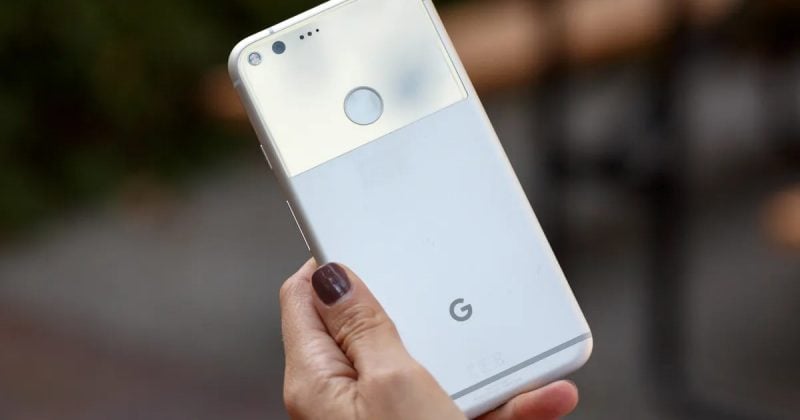
Google and UC San Diego want to turn 2,000 old Pixel phones into a data center
Retired smartphones stripped down to their motherboards could power cloud computing for hundreds of students by fall 2026
The old Pixel phone in your junk drawer might be more valuable than you think, at least to Google and a team of researchers at the University of California San Diego. The two have teamed up on a project to build a functioning data center from 2,000 retired Pixel smartphones, stripping each device down to its motherboard and stacking them into computing clusters.
Google Research confirmed its support for the initiative on June 12, 2026. The full 2,000-board system is expected to go live in fall 2026.
How you build a data center out of old phones
The UCSD team is pulling out exactly that logic. Each retired Pixel gets stripped of its battery, display, and camera, leaving only the motherboard. Those boards are then grouped into clusters of 20, with the goal of assembling 100 such subsystems into one cohesive computing setup. In English: 2,000 phone brains wired together to act like a server farm.
Initial tests with smaller clusters, ranging from 25 to 50 boards, have already shown the setup can match general-purpose servers for educational workloads. The specific use case is Jupyter Notebooks, the interactive coding environments used by students in data science and computing courses.
Removing the batteries and screens is not just about saving space. Those components are the most likely to degrade or cause reliability issues in a data center environment, so their removal actually makes the boards more stable, not less capable.
AI, tech, and the markets they move—in one daily briefing.
Daily. Free. Join 34,000+ readers across crypto, finance, and policy.
The sustainability angle, and why it matters beyond academia
Google Fellows specializing in systems programming and parallel computing education are involved in the project alongside UCSD researchers.
The full 2,000-board setup is poised to provide affordable cloud resources to support hundreds of researchers and students.
What this means for the market
The risk is that this remains a niche academic exercise. The workloads tested so far, Jupyter Notebooks and educational computing tasks, are not the same as training large AI models or processing financial transactions at volume. The project proves a concept; it does not yet prove a market.
What investors should watch is whether Google moves from supporting an academic pilot to actually incorporating repurposed hardware into any part of its commercial infrastructure.