
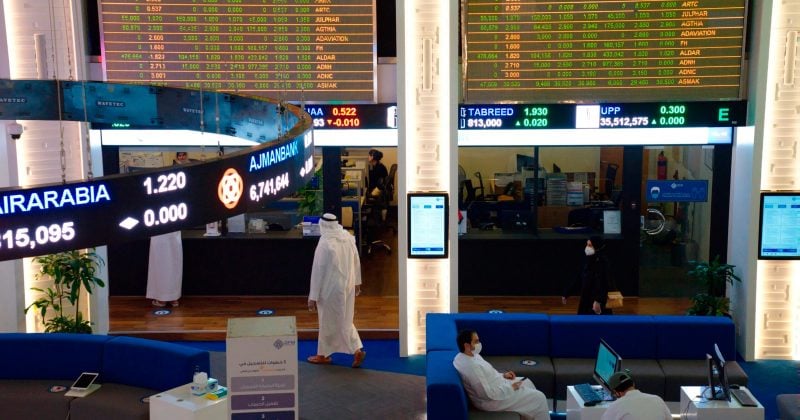
Gulf markets rise as Trump holds off on Iran strike

Via agsi.org

Gulf markets rise as Trump holds off on Iran strike

A last-minute reversal on military action against Iran sends regional stocks higher and reminds crypto traders why geopolitics still moves prices

There’s a version of this week that looked very different. U.S. warplanes were reportedly within striking distance of Iranian targets. Oil markets were bracing. Gulf equity investors were quietly panicking. Then, on August 2, 2026, Donald Trump posted on Truth Social that he was calling it off.

The announcement that the U.S. had canceled planned military strikes against Iran landed like a pressure valve releasing. Gulf stock markets, including Saudi Arabia’s Tadawul, reversed negative trends that had built through July and climbed in early trading on August 3.

What actually happened

The cancellation didn’t come out of nowhere. Saudi Arabia, Qatar, and the UAE had been actively lobbying Washington for a diplomatic off-ramp, and they apparently got one.

The Gulf states reportedly proposed a framework centered on reopening the Strait of Hormuz, the narrow waterway through which a significant portion of the world’s seaborne oil passes. That offer gave the Trump administration something it could present as a win without pulling a trigger.

Advertisement

The backdrop here is a region that has been under sustained pressure since 2025. U.S.-Iran tensions had already produced multiple rounds of military exchanges before this particular escalation cycle began. The Gulf bourses had spent much of July pricing in the risk that another round was coming. The reversal, when it arrived, gave markets room to breathe.

Crypto’s quiet relationship with Middle East risk

The March 2026 episode is the clearest recent data point. When Trump postponed an earlier round of strikes on Iran, Bitcoin surged approximately 5%, briefly trading above $71K. That move happened fast, in the kind of compressed timeframe that rewards traders who are watching geopolitical feeds rather than just on-chain metrics.

Bitcoin increasingly trades like a risk asset in moments of acute geopolitical stress, not a safe haven. Gold gets the flight-to-safety bid. Bitcoin gets sold alongside equities when fear spikes, and bought back when fear recedes.

The current situation is also worth watching because the cancellation is a delay, not a resolution. Trump’s Truth Social post signaled he was standing down for now, influenced by Gulf allies’ appeals. That’s meaningfully different from a signed diplomatic agreement or a verified Iranian commitment.

What investors should watch from here

For Gulf equity investors, the immediate picture improved. The Tadawul’s reversal from its July losses reflects genuine relief that a regional conflict didn’t escalate into something that disrupts oil infrastructure directly.

If the Strait of Hormuz reopening framework gains traction and actually results in smoother energy flows, that’s a supply-positive development for oil markets. More supply, all else equal, puts downward pressure on prices. That’s good for consumers and inflation-sensitive assets, but it’s a mixed signal for Gulf petrostates whose fiscal positions depend on elevated crude prices.

For crypto specifically, the playbook from March 2026 suggests that the immediate de-escalation pop may already be fading by the time most retail investors are reading about it. The traders who moved on the Truth Social post did so within minutes of it going live.

The Gulf states threading this diplomatic needle with Washington also tells you something about how seriously the region is taking the economic consequences of sustained conflict. Saudi Arabia’s Vision 2030 ambitions, the UAE’s status as a global financial hub, Qatar’s LNG export commitments: none of those projects survive a hot war in the Gulf.

Disclosure: This article was edited by Editorial Team. For more information on how we create and review content, see our Editorial Policy.

Gulf markets rise as Trump holds off on Iran strike

Gulf markets rise as Trump holds off on Iran strike

A last-minute reversal on military action against Iran sends regional stocks higher and reminds crypto traders why geopolitics still moves prices

Via agsi.org

There’s a version of this week that looked very different. U.S. warplanes were reportedly within striking distance of Iranian targets. Oil markets were bracing. Gulf equity investors were quietly panicking. Then, on August 2, 2026, Donald Trump posted on Truth Social that he was calling it off.

The announcement that the U.S. had canceled planned military strikes against Iran landed like a pressure valve releasing. Gulf stock markets, including Saudi Arabia’s Tadawul, reversed negative trends that had built through July and climbed in early trading on August 3.

What actually happened

The cancellation didn’t come out of nowhere. Saudi Arabia, Qatar, and the UAE had been actively lobbying Washington for a diplomatic off-ramp, and they apparently got one.

The Gulf states reportedly proposed a framework centered on reopening the Strait of Hormuz, the narrow waterway through which a significant portion of the world’s seaborne oil passes. That offer gave the Trump administration something it could present as a win without pulling a trigger.

Advertisement

The backdrop here is a region that has been under sustained pressure since 2025. U.S.-Iran tensions had already produced multiple rounds of military exchanges before this particular escalation cycle began. The Gulf bourses had spent much of July pricing in the risk that another round was coming. The reversal, when it arrived, gave markets room to breathe.

Crypto’s quiet relationship with Middle East risk

The March 2026 episode is the clearest recent data point. When Trump postponed an earlier round of strikes on Iran, Bitcoin surged approximately 5%, briefly trading above $71K. That move happened fast, in the kind of compressed timeframe that rewards traders who are watching geopolitical feeds rather than just on-chain metrics.

Bitcoin increasingly trades like a risk asset in moments of acute geopolitical stress, not a safe haven. Gold gets the flight-to-safety bid. Bitcoin gets sold alongside equities when fear spikes, and bought back when fear recedes.

The current situation is also worth watching because the cancellation is a delay, not a resolution. Trump’s Truth Social post signaled he was standing down for now, influenced by Gulf allies’ appeals. That’s meaningfully different from a signed diplomatic agreement or a verified Iranian commitment.

What investors should watch from here

For Gulf equity investors, the immediate picture improved. The Tadawul’s reversal from its July losses reflects genuine relief that a regional conflict didn’t escalate into something that disrupts oil infrastructure directly.

If the Strait of Hormuz reopening framework gains traction and actually results in smoother energy flows, that’s a supply-positive development for oil markets. More supply, all else equal, puts downward pressure on prices. That’s good for consumers and inflation-sensitive assets, but it’s a mixed signal for Gulf petrostates whose fiscal positions depend on elevated crude prices.

For crypto specifically, the playbook from March 2026 suggests that the immediate de-escalation pop may already be fading by the time most retail investors are reading about it. The traders who moved on the Truth Social post did so within minutes of it going live.

The Gulf states threading this diplomatic needle with Washington also tells you something about how seriously the region is taking the economic consequences of sustained conflict. Saudi Arabia’s Vision 2030 ambitions, the UAE’s status as a global financial hub, Qatar’s LNG export commitments: none of those projects survive a hot war in the Gulf.

Disclosure: This article was edited by Editorial Team. For more information on how we create and review content, see our Editorial Policy.