
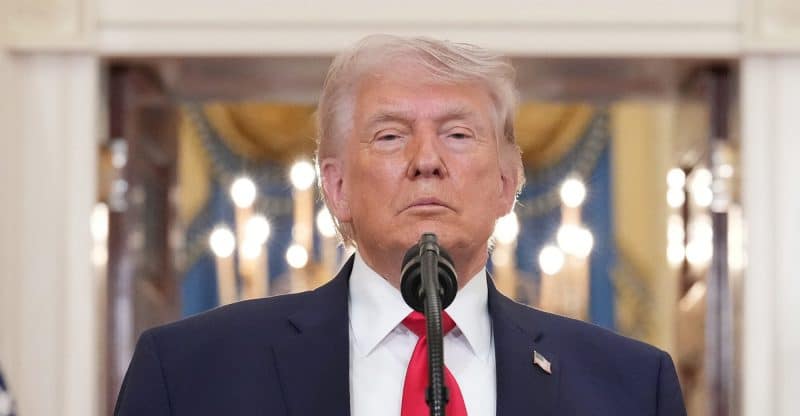
Hengli cuts output, cancels West African and Mideast oil purchases amid US sanctions

Photo by Jan Zakelj

Hengli cuts output, cancels West African and Mideast oil purchases amid US sanctions

Crude oil all time high predictions

Hengli Petrochemical, a major Chinese refinery, has cancelled its crude oil purchases from West Africa and the Middle East, reducing its operational capacity due to inventory challenges and a lack of non-sanctioned oil sources. This decision comes in the wake of U.S. sanctions imposed on Hengli for alleged Iranian oil purchases, which the company has denied. Despite attempts to source alternative crude supplies to mitigate these sanctions, Hengli’s recent cancellations indicate severe supply constraints, leading to a reduction in its production capacity by half. Market participants appear to interpret these developments as indicative of potential upward pressure on global oil prices, given the reduced supply from a key player.

Advertisement

Key Takeaways

  • Hengli’s cancellation of oil purchases appears to reflect significant supply constraints, with potential implications for global oil supply.
  • The company’s reduction in output is consistent with market views suggesting possible upward pressure on oil prices.
  • Pricing in prediction markets suggests a possible increase in oil prices, although current probabilities for a new all-time high by September 30 remain low.

What to Watch

Observers should monitor any further announcements from Hengli regarding its supply chain and production adjustments. Additionally, any changes in U.S. sanctions policy or OPEC production decisions could significantly impact oil price forecasts. Developments in geopolitical relations, particularly regarding Iran, may also influence market expectations for oil supply and pricing dynamics.

Get prediction market intelligence as a structured API feed. Early access waitlist.

Disclosure: This article was edited by Estefano Gomez. For more information on how we create and review content, see our Editorial Policy.

Hengli cuts output, cancels West African and Mideast oil purchases amid US sanctions

Hengli cuts output, cancels West African and Mideast oil purchases amid US sanctions

Crude oil all time high predictions

Photo by Jan Zakelj

Hengli Petrochemical, a major Chinese refinery, has cancelled its crude oil purchases from West Africa and the Middle East, reducing its operational capacity due to inventory challenges and a lack of non-sanctioned oil sources. This decision comes in the wake of U.S. sanctions imposed on Hengli for alleged Iranian oil purchases, which the company has denied. Despite attempts to source alternative crude supplies to mitigate these sanctions, Hengli’s recent cancellations indicate severe supply constraints, leading to a reduction in its production capacity by half. Market participants appear to interpret these developments as indicative of potential upward pressure on global oil prices, given the reduced supply from a key player.

Advertisement

Key Takeaways

  • Hengli’s cancellation of oil purchases appears to reflect significant supply constraints, with potential implications for global oil supply.
  • The company’s reduction in output is consistent with market views suggesting possible upward pressure on oil prices.
  • Pricing in prediction markets suggests a possible increase in oil prices, although current probabilities for a new all-time high by September 30 remain low.

What to Watch

Observers should monitor any further announcements from Hengli regarding its supply chain and production adjustments. Additionally, any changes in U.S. sanctions policy or OPEC production decisions could significantly impact oil price forecasts. Developments in geopolitical relations, particularly regarding Iran, may also influence market expectations for oil supply and pricing dynamics.

Get prediction market intelligence as a structured API feed. Early access waitlist.

Disclosure: This article was edited by Estefano Gomez. For more information on how we create and review content, see our Editorial Policy.