
Fewer vessels travel through Hormuz as US resumes blockade

Fewer vessels travel through Hormuz as US resumes blockade

Trump's reinstated naval blockade is squeezing one of the world's most critical oil chokepoints, with ripple effects reaching crypto markets

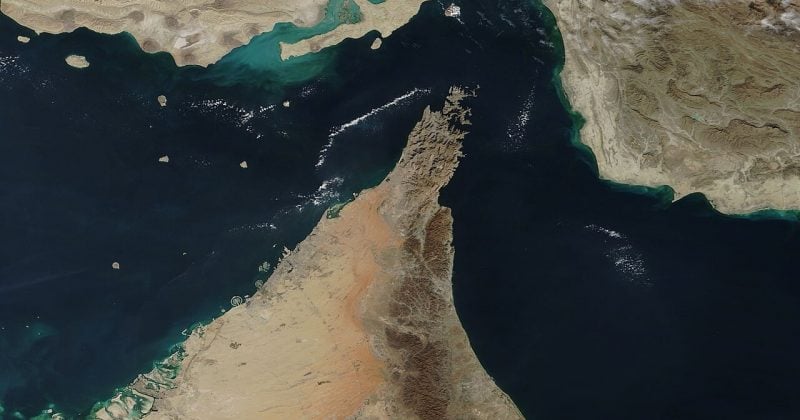
The Strait of Hormuz moves roughly a fifth of the world’s seaborne oil and LNG. Right now, ships are avoiding it.

Vessel traffic through the strait dropped sharply on July 16, 2026, one day after a brief surge of Iran-linked ships tried to squeeze through ahead of the deadline. By July 16, the window had closed. The US naval blockade was back in force.

President Donald Trump announced the blockade’s reinstatement on July 13, 2026. The policy includes a 20% reimbursement fee on cargo transiting under the security perimeter.

How we got here

This crisis has been building since late February. Iran began restricting passage through the strait on February 28, 2026, setting off a chain of escalations that sent Brent crude above $100 per barrel at its peak.

Advertisement

The US had already run one blockade between April and June 2026, targeting Iranian oil exports. That effort wound down, briefly reopening the corridor, before Trump’s July 13 announcement snapped it shut again.

In April 2026, over 2,000 ships were reported stranded due to the standoff, a number that gives some sense of just how much global trade threads through this 21-mile-wide passage between Oman and Iran.

Multiple ceasefire talks, including negotiations held in Islamabad, have collapsed as of mid-July 2026.

The July 15 uptick in Iranian-linked vessel transits looks, in hindsight, like a last dash before enforcement tightened.

What the blockade actually does to markets

The Strait of Hormuz is the physical bottleneck through which 20 to 25% of the world’s seaborne oil and liquefied natural gas flows.

Brent crude has already demonstrated that sensitivity, breaching $100 per barrel during earlier phases of the crisis.

The 20% cargo fee adds a layer of complexity on top of the physical disruption. Even ships that could navigate the area face a direct financial penalty, which means the effective cost of Hormuz transit has risen in two distinct ways simultaneously: risk and fees.

The crypto connection is real, even if it’s secondary

Iran, facing sanctions that predate this crisis, has genuine structural reasons to explore crypto as a workaround for trade settlement. The current crisis has produced that pattern: uncertainty in Middle Eastern oil supplies has translated into negative pressure on major crypto assets, including Bitcoin.

Iran’s potential use of Bitcoin and other digital assets to facilitate maritime trade under sanctions is a longer-term structural question. If the blockade holds and ceasefire talks remain stalled, the pressure on Iran to find alternative settlement mechanisms grows.

Disclosure: This article was edited by Editorial Team. For more information on how we create and review content, see our Editorial Policy.

Fewer vessels travel through Hormuz as US resumes blockade

Fewer vessels travel through Hormuz as US resumes blockade

Trump's reinstated naval blockade is squeezing one of the world's most critical oil chokepoints, with ripple effects reaching crypto markets

The Strait of Hormuz moves roughly a fifth of the world’s seaborne oil and LNG. Right now, ships are avoiding it.

Vessel traffic through the strait dropped sharply on July 16, 2026, one day after a brief surge of Iran-linked ships tried to squeeze through ahead of the deadline. By July 16, the window had closed. The US naval blockade was back in force.

President Donald Trump announced the blockade’s reinstatement on July 13, 2026. The policy includes a 20% reimbursement fee on cargo transiting under the security perimeter.

How we got here

This crisis has been building since late February. Iran began restricting passage through the strait on February 28, 2026, setting off a chain of escalations that sent Brent crude above $100 per barrel at its peak.

Advertisement

The US had already run one blockade between April and June 2026, targeting Iranian oil exports. That effort wound down, briefly reopening the corridor, before Trump’s July 13 announcement snapped it shut again.

In April 2026, over 2,000 ships were reported stranded due to the standoff, a number that gives some sense of just how much global trade threads through this 21-mile-wide passage between Oman and Iran.

Multiple ceasefire talks, including negotiations held in Islamabad, have collapsed as of mid-July 2026.

The July 15 uptick in Iranian-linked vessel transits looks, in hindsight, like a last dash before enforcement tightened.

What the blockade actually does to markets

The Strait of Hormuz is the physical bottleneck through which 20 to 25% of the world’s seaborne oil and liquefied natural gas flows.

Brent crude has already demonstrated that sensitivity, breaching $100 per barrel during earlier phases of the crisis.

The 20% cargo fee adds a layer of complexity on top of the physical disruption. Even ships that could navigate the area face a direct financial penalty, which means the effective cost of Hormuz transit has risen in two distinct ways simultaneously: risk and fees.

The crypto connection is real, even if it’s secondary

Iran, facing sanctions that predate this crisis, has genuine structural reasons to explore crypto as a workaround for trade settlement. The current crisis has produced that pattern: uncertainty in Middle Eastern oil supplies has translated into negative pressure on major crypto assets, including Bitcoin.

Iran’s potential use of Bitcoin and other digital assets to facilitate maritime trade under sanctions is a longer-term structural question. If the blockade holds and ceasefire talks remain stalled, the pressure on Iran to find alternative settlement mechanisms grows.

Disclosure: This article was edited by Editorial Team. For more information on how we create and review content, see our Editorial Policy.