
Nexo Earn with Nexo
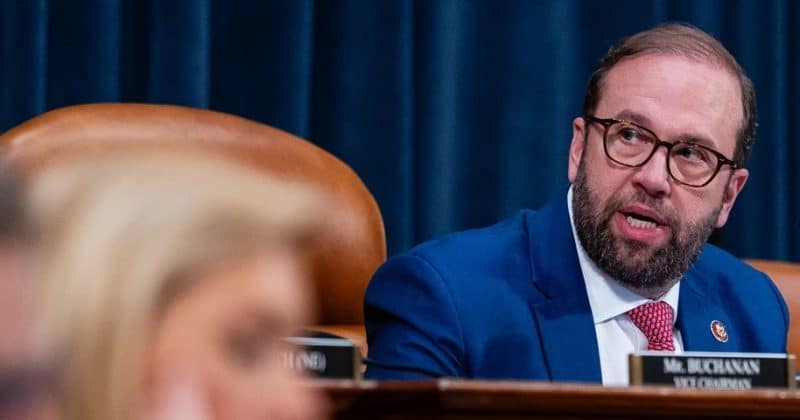
House Ways and Means Committee holds hearing on digital asset tax bill

House Ways and Means Committee holds hearing on digital asset tax bill

Seven draft bills aim to reduce crypto tax burdens, but Democrats are raising flags about preferential treatment for digital assets.

The most powerful tax-writing committee in Congress just turned its attention to crypto. The House Ways and Means Committee convened on June 9 to discuss a sweeping package of bills designed to overhaul how digital assets are taxed in the United States.

Led by Chairman Jason Smith (R-MO), the committee circulated seven draft bills between June 5 and 8, covering everything from de minimis exemptions for small crypto transactions to clearer rules around mining, staking, and stablecoin activity.

What’s actually on the table

The hearing featured six bills and one discussion draft, each targeting a different pain point in the current crypto tax regime. Among the most closely watched provisions are de minimis exemptions, which would spare everyday users from reporting tiny transactions. Other measures tackle the murky tax treatment of mining and staking rewards, an area where the IRS has offered minimal guidance. The bills also address stablecoin activity, which has exploded in volume but exists in a regulatory gray zone.

Key sponsors include Reps. Max Miller (R-OH) and Steven Horsford (D-NV), the latter being notable as a Democrat co-sponsoring what is largely a Republican-driven effort.

Advertisement

The committee heard testimony from Sarah Reilly of Fidelity Investments and Lawrence Zlatkin of Coinbase.

Democrats aren’t exactly on board

Rep. Richard Neal (D-MA), the ranking member, acknowledged that some provisions could genuinely benefit taxpayers but raised a concern about whether these bills create preferential treatment for digital assets compared to other investment classes.

In March 2025, a bipartisan vote repealed the IRS DeFi broker reporting rule, which had been widely criticized as unworkable.

Why this hearing is different from the usual noise

This hearing is taking place in the Ways and Means Committee, which has actual jurisdiction over the tax code. The committee broke the effort into seven smaller, targeted pieces rather than attempting one massive crypto bill. Each bill addresses a specific problem that existing taxpayers already face.

The EU’s MiCA regulation is already in effect. Singapore, the UAE, and the UK have all established clearer crypto tax and regulatory regimes.

What investors should watch

The de minimis exemption alone could meaningfully change how millions of people use crypto for everyday payments. Right now, every single transaction, no matter how small, triggers a taxable event.

If even two or three of these seven bills advance, they would represent the most significant crypto tax reform since the IRS first issued guidance on digital assets. Investors should track whether the bipartisan support that showed up in the DeFi broker vote extends to these more complex tax provisions.

Disclosure: This article was edited by Editorial Team. For more information on how we create and review content, see our Editorial Policy.

House Ways and Means Committee holds hearing on digital asset tax bill

House Ways and Means Committee holds hearing on digital asset tax bill

Seven draft bills aim to reduce crypto tax burdens, but Democrats are raising flags about preferential treatment for digital assets.

The most powerful tax-writing committee in Congress just turned its attention to crypto. The House Ways and Means Committee convened on June 9 to discuss a sweeping package of bills designed to overhaul how digital assets are taxed in the United States.

Led by Chairman Jason Smith (R-MO), the committee circulated seven draft bills between June 5 and 8, covering everything from de minimis exemptions for small crypto transactions to clearer rules around mining, staking, and stablecoin activity.

What’s actually on the table

The hearing featured six bills and one discussion draft, each targeting a different pain point in the current crypto tax regime. Among the most closely watched provisions are de minimis exemptions, which would spare everyday users from reporting tiny transactions. Other measures tackle the murky tax treatment of mining and staking rewards, an area where the IRS has offered minimal guidance. The bills also address stablecoin activity, which has exploded in volume but exists in a regulatory gray zone.

Key sponsors include Reps. Max Miller (R-OH) and Steven Horsford (D-NV), the latter being notable as a Democrat co-sponsoring what is largely a Republican-driven effort.

Advertisement

The committee heard testimony from Sarah Reilly of Fidelity Investments and Lawrence Zlatkin of Coinbase.

Democrats aren’t exactly on board

Rep. Richard Neal (D-MA), the ranking member, acknowledged that some provisions could genuinely benefit taxpayers but raised a concern about whether these bills create preferential treatment for digital assets compared to other investment classes.

In March 2025, a bipartisan vote repealed the IRS DeFi broker reporting rule, which had been widely criticized as unworkable.

Why this hearing is different from the usual noise

This hearing is taking place in the Ways and Means Committee, which has actual jurisdiction over the tax code. The committee broke the effort into seven smaller, targeted pieces rather than attempting one massive crypto bill. Each bill addresses a specific problem that existing taxpayers already face.

The EU’s MiCA regulation is already in effect. Singapore, the UAE, and the UK have all established clearer crypto tax and regulatory regimes.

What investors should watch

The de minimis exemption alone could meaningfully change how millions of people use crypto for everyday payments. Right now, every single transaction, no matter how small, triggers a taxable event.

If even two or three of these seven bills advance, they would represent the most significant crypto tax reform since the IRS first issued guidance on digital assets. Investors should track whether the bipartisan support that showed up in the DeFi broker vote extends to these more complex tax provisions.

Disclosure: This article was edited by Editorial Team. For more information on how we create and review content, see our Editorial Policy.