
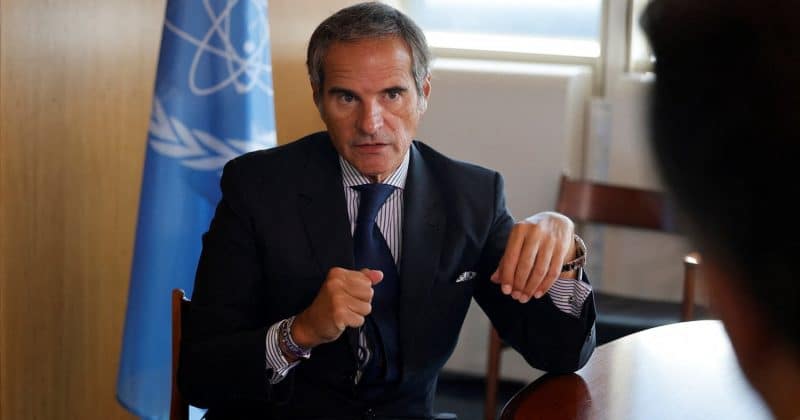
IAEA chief confirms nuclear inspections in Iran will proceed soon as US-Iran deal takes shape

IAEA chief confirms nuclear inspections in Iran will proceed soon as US-Iran deal takes shape

Director General Grossi says inspections could begin within days, but Tehran insists sanctions relief must come first

IAEA Director General Rafael Mariano Grossi confirmed on June 24 that nuclear inspections at Iranian enrichment sites will move forward under a memorandum of understanding signed between the US and Iran. The timeline? Potentially within days.

That’s the optimistic read. The more complicated version: Iran says access to its facilities hinges on a finalized agreement and the removal of sanctions.

What the MOU actually requires

The memorandum of understanding between Washington and Tehran mandates IAEA oversight of Iran’s nuclear activities. Grossi indicated that the inspection framework includes a 60-day window for prompt action, giving both sides a compressed but workable timeline to get boots on the ground at enrichment facilities.

The inspections will target enrichment sites and aim to verify stockpiles of highly enriched uranium. These are the same facilities that became partially inaccessible following military strikes in 2025, which severely disrupted the IAEA’s ability to monitor what Iran was doing with its nuclear materials.

Advertisement

Grossi has emphasized that the MOU is binding, a pointed statement given the conflicting narratives coming from both Iranian and US officials about what exactly has been agreed to.

The IAEA Board passed a resolution in June 2026 calling for Iran’s compliance with its safeguards obligations. That resolution gives Grossi additional institutional backing as he navigates what is, by any measure, one of the most politically charged inspection mandates in the agency’s history.

A long road to this moment

The 2015 Joint Comprehensive Plan of Action, commonly known as the Iran nuclear deal, was supposed to be the framework that kept everyone honest. Then the US withdrew in 2018 under the Trump administration, and the architecture started crumbling.

Military actions targeting Iran’s nuclear capabilities in 2025 made things worse. IAEA inspectors found themselves locked out of key sites, creating a verification black hole at precisely the moment the world needed transparency most.

Iran’s Foreign Minister Abbas Araghchi met with Grossi in September 2025 to discuss modalities for restoring verification activities. Those conversations laid the groundwork for the current MOU, which represents the most concrete step toward resumed inspections in over a year.

Why crypto markets should be watching

The US-Iran relationship doesn’t exist in a vacuum. It ripples through energy markets, risk sentiment, and yes, digital assets.

If this MOU leads to a genuine diplomatic thaw, the implications cut both ways. A more stable relationship between Washington and Tehran could reduce overall market volatility, which tends to benefit risk assets broadly but removes some of the crisis-driven demand for Bitcoin and other decentralized stores of value.

Conversely, if the inspections stall, if Iran drags its feet on access or the US fails to deliver on sanctions relief, the resulting tension could spark exactly the kind of uncertainty that drives capital into crypto. The 60-day inspection window means we’ll have clarity on which direction this is heading relatively quickly.

Shifting regulations tied to sanctions relief, or the lack of it, could meaningfully affect how digital asset exchanges operate within Iran. The key variable to watch is whether Grossi’s team actually gets inside those enrichment facilities within the stated timeline, because that single data point will tell you more about the trajectory of US-Iran relations than any press conference from either capital.

Disclosure: This article was edited by Editorial Team. For more information on how we create and review content, see our Editorial Policy.

IAEA chief confirms nuclear inspections in Iran will proceed soon as US-Iran deal takes shape

IAEA chief confirms nuclear inspections in Iran will proceed soon as US-Iran deal takes shape

Director General Grossi says inspections could begin within days, but Tehran insists sanctions relief must come first

IAEA Director General Rafael Mariano Grossi confirmed on June 24 that nuclear inspections at Iranian enrichment sites will move forward under a memorandum of understanding signed between the US and Iran. The timeline? Potentially within days.

That’s the optimistic read. The more complicated version: Iran says access to its facilities hinges on a finalized agreement and the removal of sanctions.

What the MOU actually requires

The memorandum of understanding between Washington and Tehran mandates IAEA oversight of Iran’s nuclear activities. Grossi indicated that the inspection framework includes a 60-day window for prompt action, giving both sides a compressed but workable timeline to get boots on the ground at enrichment facilities.

The inspections will target enrichment sites and aim to verify stockpiles of highly enriched uranium. These are the same facilities that became partially inaccessible following military strikes in 2025, which severely disrupted the IAEA’s ability to monitor what Iran was doing with its nuclear materials.

Advertisement

Grossi has emphasized that the MOU is binding, a pointed statement given the conflicting narratives coming from both Iranian and US officials about what exactly has been agreed to.

The IAEA Board passed a resolution in June 2026 calling for Iran’s compliance with its safeguards obligations. That resolution gives Grossi additional institutional backing as he navigates what is, by any measure, one of the most politically charged inspection mandates in the agency’s history.

A long road to this moment

The 2015 Joint Comprehensive Plan of Action, commonly known as the Iran nuclear deal, was supposed to be the framework that kept everyone honest. Then the US withdrew in 2018 under the Trump administration, and the architecture started crumbling.

Military actions targeting Iran’s nuclear capabilities in 2025 made things worse. IAEA inspectors found themselves locked out of key sites, creating a verification black hole at precisely the moment the world needed transparency most.

Iran’s Foreign Minister Abbas Araghchi met with Grossi in September 2025 to discuss modalities for restoring verification activities. Those conversations laid the groundwork for the current MOU, which represents the most concrete step toward resumed inspections in over a year.

Why crypto markets should be watching

The US-Iran relationship doesn’t exist in a vacuum. It ripples through energy markets, risk sentiment, and yes, digital assets.

If this MOU leads to a genuine diplomatic thaw, the implications cut both ways. A more stable relationship between Washington and Tehran could reduce overall market volatility, which tends to benefit risk assets broadly but removes some of the crisis-driven demand for Bitcoin and other decentralized stores of value.

Conversely, if the inspections stall, if Iran drags its feet on access or the US fails to deliver on sanctions relief, the resulting tension could spark exactly the kind of uncertainty that drives capital into crypto. The 60-day inspection window means we’ll have clarity on which direction this is heading relatively quickly.

Shifting regulations tied to sanctions relief, or the lack of it, could meaningfully affect how digital asset exchanges operate within Iran. The key variable to watch is whether Grossi’s team actually gets inside those enrichment facilities within the stated timeline, because that single data point will tell you more about the trajectory of US-Iran relations than any press conference from either capital.

Disclosure: This article was edited by Editorial Team. For more information on how we create and review content, see our Editorial Policy.