
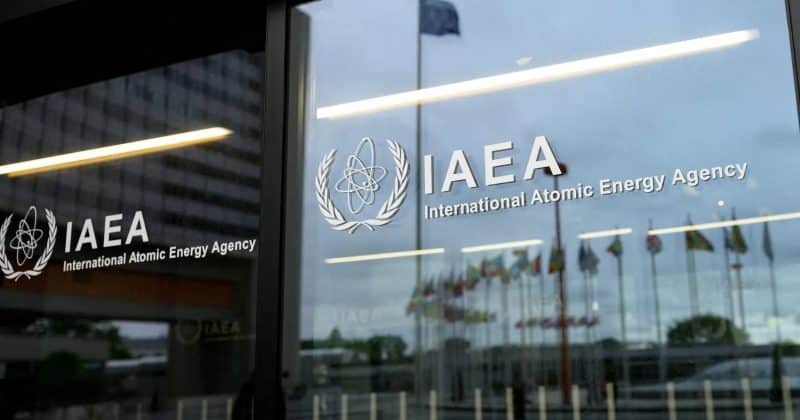
IAEA gains access to Iran’s nuclear sites under interim peace deal
A new US-Iran memorandum of understanding reopens nuclear inspections that were suspended after military strikes in 2025
For roughly a year, the International Atomic Energy Agency had no eyes inside Iran’s most sensitive nuclear facilities. That changed on June 23, 2026, when IAEA Director General Rafael Grossi confirmed the agency would resume inspections under a new memorandum of understanding between the United States and Iran.
The sites in question are enrichment facilities that were effectively closed off to international monitors following military strikes in 2025. Getting inspectors back in is not a small thing. It is the first concrete sign of nuclear oversight resuming after one of the more dramatic escalations in the region’s recent history.
What the deal actually says
The MoU is an interim framework, not a finished agreement. Grossi confirmed that IAEA technical work would begin immediately, but Iran signaled that full enforcement of the terms depends on reaching a finalized agreement down the road.
Iran suspended its cooperation with the IAEA in June 2025, shortly after US and Israeli military strikes targeted its nuclear sites. That 12-day conflict significantly escalated tensions across all three governments involved, and it left international nuclear monitors essentially locked out of the facilities they are supposed to watch.
Grossi’s confirmation on June 23 came as the clearest public signal yet that both sides are treating this as a genuine, if provisional, framework. The IAEA chief did not characterize the deal as a permanent solution, and the language around conditionality from Iran’s side suggests that the inspection access currently on the table is tied to diplomatic progress continuing.
Sanctions, crypto, and the wider picture
Just weeks before Grossi’s announcement, the US Treasury sanctioned Nobitex, Iran’s largest crypto exchange, on June 2, 2026.
Macro, rates, and crypto—what moved markets and what matters next.
Daily. Free. Join 34,000+ readers across crypto, finance, and policy.
Nobitex’s designation means US persons and entities are prohibited from transacting with the platform. Nobitex had operated as a primary on-ramp for Iranian users trying to access digital assets in an economy already squeezed by decades of sanctions.
The broader crypto market registered mild Bitcoin gains around the time of the diplomatic announcements, a pattern consistent with what traders call risk-on sentiment.
The Nobitex sanction introduces a countervailing signal. De-escalation in the nuclear lane is, in theory, positive for risk appetite. But targeted financial enforcement actions against Iranian crypto infrastructure cut against any straightforward narrative that the thaw benefits digital asset markets broadly.
What investors and market watchers should track
On the crypto side, the Nobitex sanction is the more actionable data point for market participants. Exchanges and trading desks with any exposure to Iranian counterparties, even indirect exposure through peer-to-peer networks or over-the-counter desks, face compliance risk that the Nobitex designation makes more concrete. The US Treasury’s willingness to sanction Iran’s largest crypto platform while nuclear talks are ongoing suggests enforcement posture toward Iranian crypto activity is not softening just because diplomats are talking.
What the IAEA’s renewed access does accomplish is restore a degree of verifiability to Iran’s nuclear program that has been absent for over a year. That is meaningful on its own terms, because the alternative, a nuclear program operating entirely outside international visibility, carries risks that dwarf any short-term price movement in Bitcoin.