
UN nuclear watchdog passes US-backed resolution on Iran’s uranium stocks
The IAEA Board of Governors demands Iran declare its enriched uranium inventory and reopen access to inspectors, adding fresh geopolitical tension to an already nervous market.
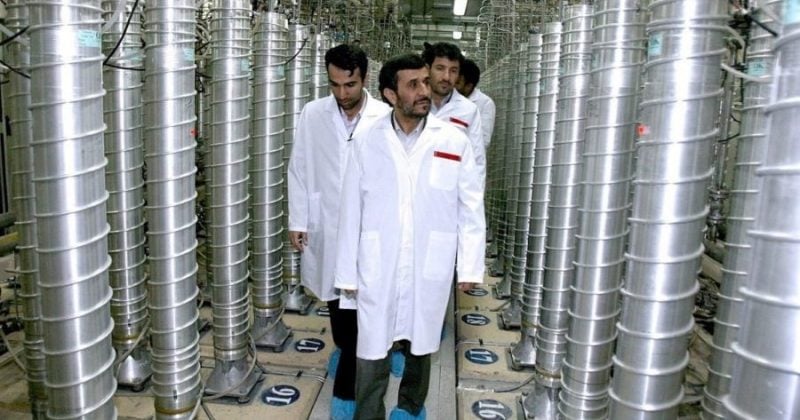
The International Atomic Energy Agency’s Board of Governors is considering a US-drafted resolution requiring Iran to come clean about its enriched uranium stockpile and grant inspectors full access to verify what’s actually there. The measure, backed by the UK, France, and Germany, ratchets up international pressure on a country that already holds one of the largest reserves of 60%-purity enriched uranium among non-nuclear weapon states.
What the resolution actually demands
The core of the resolution is straightforward. Iran must provide precise details about its enriched uranium inventory and allow IAEA inspectors immediate, unhindered access to verify those figures.
It also addresses damaged nuclear sites, a reference to disruptions caused by military strikes within Iran that have complicated the agency’s ability to do its job. IAEA inspections in Iran were suspended in February 2026 due to military conflicts, and only partially resumed by June 2026.
The 35-member Board of Governors has a track record of passing these kinds of measures with solid Western support. A previous resolution on June 12, 2025, declared Iran non-compliant with its nuclear safeguards obligations and passed with a 19-3-11 vote. China and Russia typically either abstain or vote against.
IAEA Director General Rafael Mariano Grossi has publicly urged Iran to swiftly re-engage with the agency to resume cooperative efforts.
The news moving money, markets, and the world—before your day starts.
Daily. Free. Join 34,000+ readers across crypto, finance, and policy.
Why this matters beyond the obvious
The suspension of inspections earlier this year created a months-long gap in international oversight. During that window, the IAEA essentially lost visibility into what Iran was doing with its nuclear materials. Partial resumption of inspections by June 2026 means the agency is playing catch-up, trying to reconstruct a picture of Iran’s activities during the blackout period.
Iran’s stockpile of uranium enriched to 60% purity is significant. Weapons-grade uranium is typically enriched to about 90%. Going from 60% to 90% is technically a much shorter leap than going from natural uranium to 60%.
The previous non-compliance finding in June 2025 put Iran on formal notice that the international community considers it in breach of its obligations under the Nuclear Non-Proliferation Treaty’s safeguards framework. This latest resolution builds on that foundation, demanding concrete action rather than simply noting the violation.
What this means for investors
There’s also the sanctions angle. Escalating pressure on Iran has historically led to tighter enforcement of financial sanctions, which can affect crypto flows. Iran has been linked to cryptocurrency usage as a mechanism for circumventing traditional banking restrictions. Any tightening of the sanctions regime could bring renewed regulatory scrutiny to exchanges and compliance frameworks.
The resolution demands immediate access, which means the clock is already ticking. Any sign that inspectors are being denied entry or that Iran is stalling will likely generate fresh headlines and fresh volatility.