
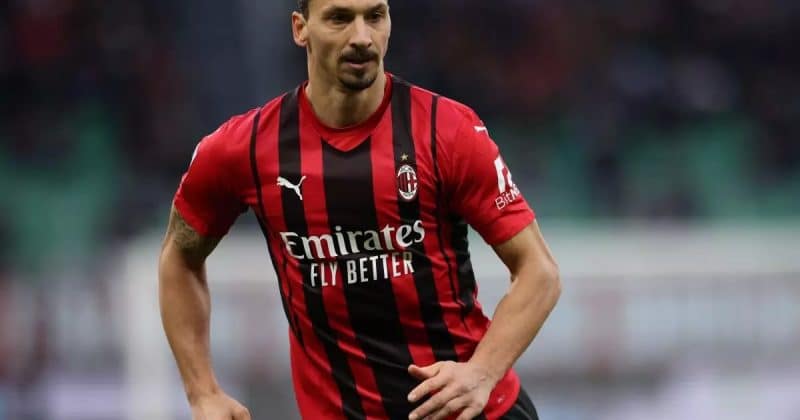
Zlatan Ibrahimovic blames Ronald Koeman for Netherlands’ World Cup exit

Zlatan Ibrahimovic blames Ronald Koeman for Netherlands’ World Cup exit

The Swedish legend tore into the Dutch coach on live television after a penalty shootout loss to Morocco ended the Netherlands' 2026 World Cup campaign in the Round of 32

Zlatan Ibrahimovic has never been one to sugarcoat things. So when the Netherlands crashed out of the 2026 FIFA World Cup on penalties against Morocco, the retired Swedish striker did what Zlatan does best: he said exactly what he was thinking, on live television, with the volume turned all the way up.

During a post-match analysis on FOX Sports following the June 29 match in Houston, Ibrahimovic pointed the finger directly at head coach Ronald Koeman. Not the players, not the penalty takers, not the referee. Koeman.

Attack, attack, attack

The match itself ended 1-1 after regular time, with Morocco then winning 3-2 in the penalty shootout. A Round of 32 exit.

“This defeat is Koeman’s fault because I didn’t recognize this Dutch team. He lost with an identity that is not the Dutch identity. That makes me angry… I was always taught: attack, attack, attack.”

Here’s the thing about that quote: Ibrahimovic isn’t even Dutch. He’s Swedish. He played for Ajax from 2001 to 2004, but his entire international career was spent trying to beat the Netherlands, not play for them.

Advertisement

The criticism centers on what Ibrahimovic and many observers described as an overly cautious tactical approach from Koeman. Rather than unleashing the kind of aggressive, possession-based football that has defined Dutch football for generations, the Netherlands reportedly played a style that some commentators likened to that of an Italian coach.

The weight of Totaalvoetbal

Totaalvoetbal, or Total Football, is the idea that every player on the pitch can play every position. It’s fluid, attacking, and relentlessly proactive. Johan Cruyff was its prophet. The 1974 and 1978 World Cup squads were its apostles.

Koeman, who won the European Championship as a player in 1988, knows this history as well as anyone alive. He was part of it. Which makes the accusation that he abandoned it all the more damaging.

Koeman previously managed the Netherlands from 2018 to 2020 before leaving for Barcelona, then returned for a second stint.

Ibrahimovic’s comments, delivered on June 29 and generating widespread media coverage by June 30, have accelerated what was already a simmering debate about Koeman’s future.

Morocco, meanwhile, continues to establish itself as a genuine force in international football. Their run to the 2022 World Cup semifinals in Qatar was historic, and knocking out the Netherlands on penalties in 2026 confirms that wasn’t a fluke.

Ibrahimovic spent years at Ajax learning the Dutch way. When he says he didn’t recognize the Dutch team, that’s not casual punditry. That’s a former student telling the school it’s failing its own curriculum.

Disclosure: This article was edited by Editorial Team. For more information on how we create and review content, see our Editorial Policy.

Zlatan Ibrahimovic blames Ronald Koeman for Netherlands’ World Cup exit

Zlatan Ibrahimovic blames Ronald Koeman for Netherlands’ World Cup exit

The Swedish legend tore into the Dutch coach on live television after a penalty shootout loss to Morocco ended the Netherlands' 2026 World Cup campaign in the Round of 32

Zlatan Ibrahimovic has never been one to sugarcoat things. So when the Netherlands crashed out of the 2026 FIFA World Cup on penalties against Morocco, the retired Swedish striker did what Zlatan does best: he said exactly what he was thinking, on live television, with the volume turned all the way up.

During a post-match analysis on FOX Sports following the June 29 match in Houston, Ibrahimovic pointed the finger directly at head coach Ronald Koeman. Not the players, not the penalty takers, not the referee. Koeman.

Attack, attack, attack

The match itself ended 1-1 after regular time, with Morocco then winning 3-2 in the penalty shootout. A Round of 32 exit.

“This defeat is Koeman’s fault because I didn’t recognize this Dutch team. He lost with an identity that is not the Dutch identity. That makes me angry… I was always taught: attack, attack, attack.”

Here’s the thing about that quote: Ibrahimovic isn’t even Dutch. He’s Swedish. He played for Ajax from 2001 to 2004, but his entire international career was spent trying to beat the Netherlands, not play for them.

Advertisement

The criticism centers on what Ibrahimovic and many observers described as an overly cautious tactical approach from Koeman. Rather than unleashing the kind of aggressive, possession-based football that has defined Dutch football for generations, the Netherlands reportedly played a style that some commentators likened to that of an Italian coach.

The weight of Totaalvoetbal

Totaalvoetbal, or Total Football, is the idea that every player on the pitch can play every position. It’s fluid, attacking, and relentlessly proactive. Johan Cruyff was its prophet. The 1974 and 1978 World Cup squads were its apostles.

Koeman, who won the European Championship as a player in 1988, knows this history as well as anyone alive. He was part of it. Which makes the accusation that he abandoned it all the more damaging.

Koeman previously managed the Netherlands from 2018 to 2020 before leaving for Barcelona, then returned for a second stint.

Ibrahimovic’s comments, delivered on June 29 and generating widespread media coverage by June 30, have accelerated what was already a simmering debate about Koeman’s future.

Morocco, meanwhile, continues to establish itself as a genuine force in international football. Their run to the 2022 World Cup semifinals in Qatar was historic, and knocking out the Netherlands on penalties in 2026 confirms that wasn’t a fluke.

Ibrahimovic spent years at Ajax learning the Dutch way. When he says he didn’t recognize the Dutch team, that’s not casual punditry. That’s a former student telling the school it’s failing its own curriculum.

Disclosure: This article was edited by Editorial Team. For more information on how we create and review content, see our Editorial Policy.