
India freezes approvals for Starlink’s commercial operations amid Iran war concerns
New Delhi's security agencies halted SpaceX's satellite internet launch over allegations that Starlink terminals were used without authorization in Iran during the ongoing conflict.
India pulled the emergency brake on Starlink’s commercial launch, freezing final regulatory approvals over concerns that SpaceX’s satellite internet terminals have been operating in Iran without a license. The decision, effective as of June 9, 2026, came from security agencies within India’s Ministry of Home Affairs.
For Starlink, the timing is brutal. The company had already cleared the two biggest regulatory hurdles in India, securing both a Unified License and GMPCS authorization from the Department of Telecommunications in 2025. It was, by most accounts, on the doorstep of launching in one of the world’s largest untapped internet markets. Then the door closed.
What triggered the freeze
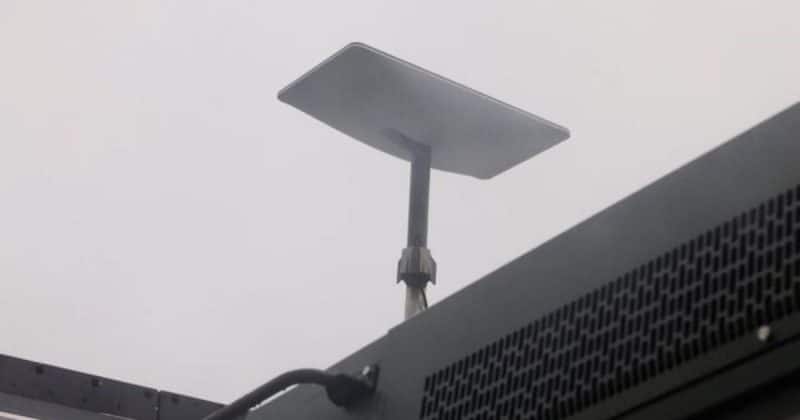
The core issue centers on allegations that Starlink terminals were being used inside Iran during the ongoing Iran-Israel-US conflict. Those terminals were reportedly operating without official licensing from Iranian authorities, a fact that apparently set off alarm bells in New Delhi’s security establishment.
Iranian authorities have reportedly lodged complaints with the International Telecommunication Union regarding unpermitted Starlink activities within their borders. Whether SpaceX actively facilitated terminal distribution in Iran or whether the hardware found its way there through gray market channels remains a critical distinction, but from India’s regulatory perspective, the optics alone were apparently enough to trigger a reassessment.
What Starlink stands to lose
Starlink had been navigating India’s regulatory environment for years. The company faced complications related to foreign direct investment reviews in 2026, layered on top of the already complex telecommunications licensing process. Securing the Unified License and GMPCS authorization in 2025 was a significant milestone, one that signaled India was genuinely open to letting SpaceX operate commercially.
That goodwill is now frozen, and the security agencies under the Ministry of Home Affairs are conducting a broader reassessment of control mechanisms over satellite communications.
The bigger picture for satellite services
India’s response, freezing approvals based on events in an entirely different country, shows how interconnected these regulatory decisions have become. A conflict in the Middle East is now directly shaping telecommunications policy in South Asia.
Other satellite internet ventures eyeing emerging markets should take note. Regulatory approvals in countries with active security concerns can evaporate quickly if the technology is perceived as a tool in foreign conflicts, even if the operator itself had no involvement in how the hardware was deployed.
What investors should watch
The Ministry of Home Affairs security review has no publicly stated deadline. India isn’t freezing Starlink because it dislikes satellite internet. It’s freezing Starlink because it’s rethinking how much control it can maintain over satellite internet operated by foreign entities during wartime conditions.