
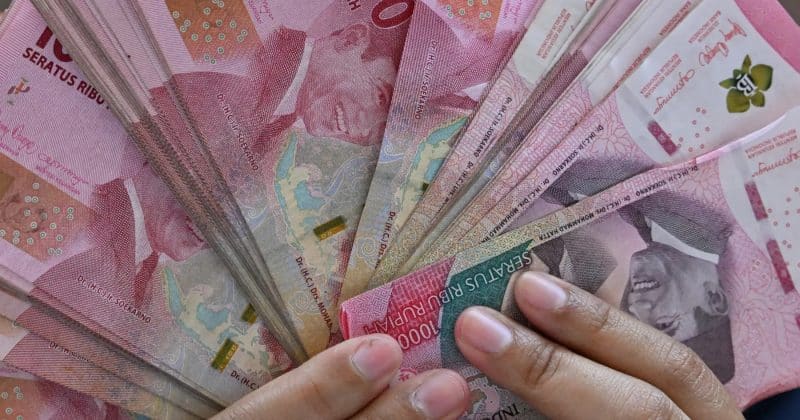
India and Indonesia launch local currency settlement framework to reduce dollar reliance
The two Asian economies are pairing de-dollarization efforts with central bank digital currency pilots, creating a template that could reshape regional trade flows.
India and Indonesia just made their dollar breakup a little more official. The Reserve Bank of India and Bank Indonesia signed a Memorandum of Understanding on March 7, 2024, establishing a Local Currency Settlement Systems framework that lets bilateral trade be invoiced and settled directly in Indian Rupees and Indonesian Rupiah.
The agreement is getting fresh attention now as Indian Prime Minister Narendra Modi visits Jakarta for talks with Indonesian President Prabowo Subianto. Indonesian Embassy deputy chief of mission Yudho Sasongko described economic integration, supply chains, and maritime ties as the core pillars of the bilateral relationship.
The numbers behind the de-dollarization push
Indonesia’s local currency transaction volumes surged 163% year-on-year, hitting $8.45 billion in just the first two months of 2026.
The LCSS framework means Indian exporters shipping goods to Indonesia can now receive payment in rupees instead of converting through the dollar. Indonesian importers, meanwhile, can pay in rupiah.
The initiative was first flagged in a joint statement during President Prabowo’s state visit to India in January 2025, and the June 2026 Joint Commission Meeting further laid the groundwork for Modi’s July 6-7, 2026 Jakarta trip. The diplomatic choreography here, including fighter jets escorting Modi’s plane through Indonesian airspace, suggests both governments view this as more than a routine bilateral meeting.
Macro, rates, and crypto—what moved markets and what matters next.
Daily. Free. Join 34,000+ readers across crypto, finance, and policy.
CBDCs enter the picture
Both countries are running active central bank digital currency pilots. India has its digital rupee, known as e-rupee, while Indonesia is developing its Digital Rupiah.
India has maintained a cautious, sometimes hostile, regulatory stance toward private cryptocurrencies while aggressively piloting the e-rupee. Indonesia has similarly channeled its digital finance ambitions through the central bank rather than opening the door to decentralized alternatives.
What this means for crypto investors
The 163% surge in Indonesia’s local currency transaction volumes suggests adoption is accelerating faster than most analysts expected. If that growth rate holds, and if the CBDC pilots mature into production systems, the window for private digital assets to capture cross-border settlement market share narrows considerably. Investors positioned in cross-border payment tokens and remittance-focused protocols should be stress-testing their theses against a world where central banks simply build competing infrastructure themselves.